We're loading the full news article for you. This includes the article content, images, author information, and related articles.
Kenya Airways and other major international carriers have suspended flights across the Middle East following severe airspace closures triggered by the escalating US-Israel-Iran conflict.
Kenya Airways has joined a rapidly growing list of global carriers suspending all flight operations to and over the Middle East, as the explosive escalation of the US-Israel-Iran war triggers unprecedented airspace closures and logistical nightmares.
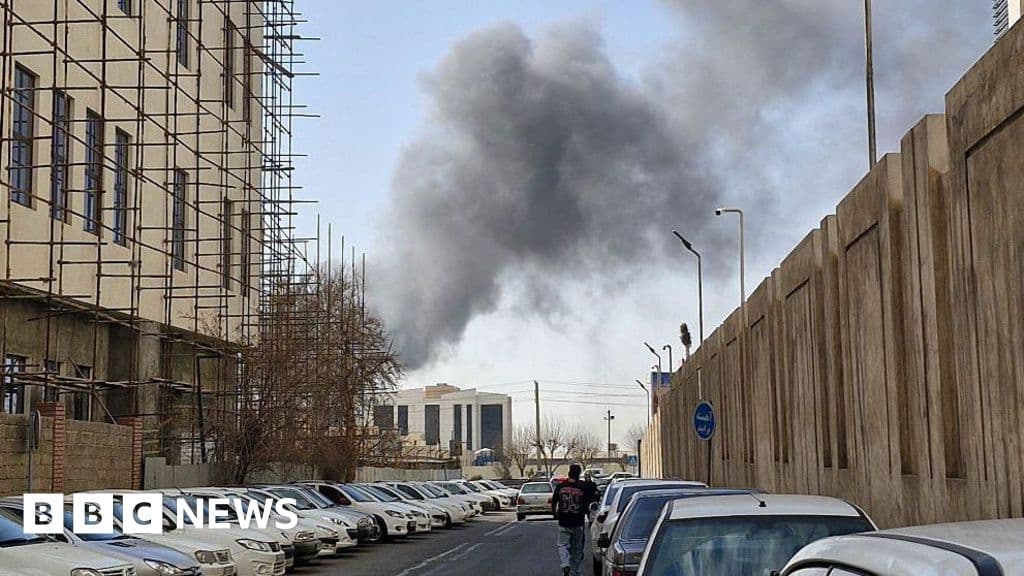
The skies over the Middle East have effectively gone dark. Following coordinated preemptive strikes by US and Israeli forces on Iranian targets, international aviation authorities have issued blanket red alerts, prompting major airlines, including national carrier Kenya Airways (KQ), to immediately suspend operations in the affected airspace. The decision underscores the severe, cascading impact of geopolitical warfare on global connectivity.
For Kenya, a nation heavily reliant on its aviation hub status in East Africa, this development is a critical blow. Jomo Kenyatta International Airport (JKIA) serves as a vital transit point connecting the African continent to the Middle East and Asia. The sudden severing of these routes threatens not only the financial recovery of Kenya Airways but also the broader logistical framework of regional trade.
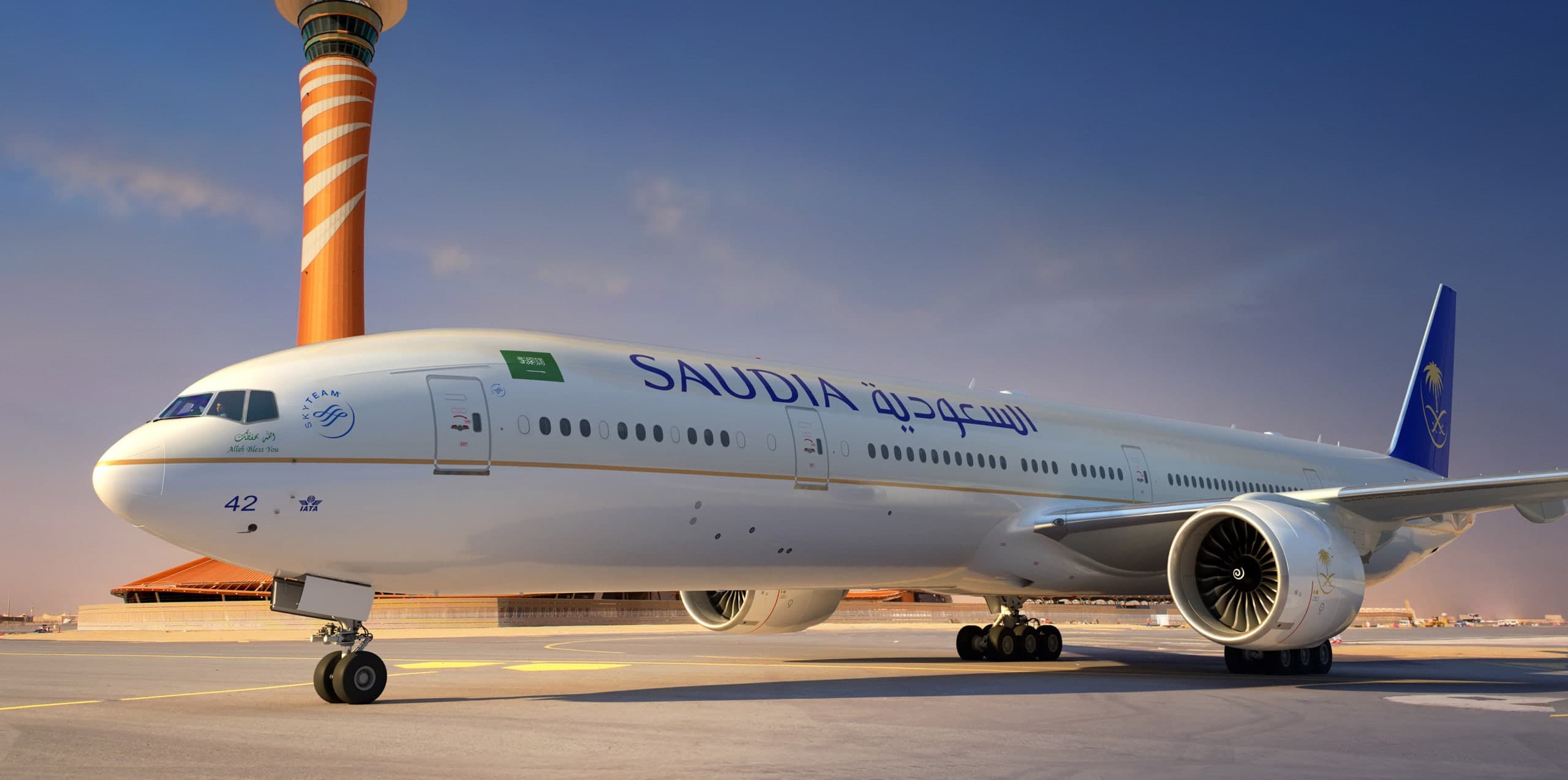
Aviation is an industry governed by absolute risk aversion. The deployment of advanced anti-aircraft defense systems across Iran, Israel, and neighboring Gulf states has rendered commercial flight paths dangerously unpredictable. Airlines cannot risk a repeat of the tragic downing of civilian airliners seen in past conflict zones. Consequently, carriers like Saudia, Emirates, and Kenya Airways are being forced into massive operational pivots.
The rerouting of flights to avoid the Middle Eastern corridor requires navigating over alternative, often much longer flight paths via Northern Africa or deep Southern Europe. This logistical gymnastics significantly increases fuel consumption, necessitates payload reductions, and drastically extends flight times. For an airline like KQ, which is already navigating a delicate financial restructuring program, the sudden spike in operational overheads is crippling.
Furthermore, the disruption strikes at the heart of Kenya's labor export sector. Thousands of Kenyans rely on daily flights to cities like Dubai, Doha, and Riyadh for employment. The sudden suspension of these routes strands thousands of workers, disrupting crucial remittance flows that support the domestic economy back home.
The passenger inconvenience is merely the tip of the iceberg. The real devastation lies in the disruption of air freight. Kenya's economy relies heavily on the export of perishable goods—primarily cut flowers, French beans, and avocados. The Middle East is a major consumer of these products, and Dubai serves as a primary transit hub for onward distribution to Asian markets.
With cargo flights grounded or subjected to prohibitive detours, exporters face the grim reality of massive post-harvest losses. Fresh produce sitting on the tarmac at JKIA represents millions of shillings evaporating by the hour. The Kenya Flower Council has warned that a prolonged closure of Middle Eastern airspace could force massive layoffs across farms in Naivasha and Mount Kenya regions.
The Kenyan government, through the Ministry of Transport, must rapidly engage with international aviation bodies to secure viable, safe corridors for its national carrier. Furthermore, the state must explore emergency diplomatic channels to ensure the safe evacuation or protection of Kenyan citizens currently trapped in volatile Middle Eastern host nations.
The escalating war in the Middle East is proving that the concept of a localized conflict is an illusion. The interconnected nature of modern trade and aviation means that bombs dropped in Tehran directly threaten the livelihoods of farmers in rural Kenya. Until the airspace is deemed safe, East Africa must brace for a protracted period of economic and logistical turbulence.
"We are essentially watching the arteries of global trade being severed. The challenge for Kenya Airways is no longer profitability, but fundamental survival in an airspace weaponized by superpowers."
Keep the conversation in one place—threads here stay linked to the story and in the forums.
Sign in to start a discussion
Start a conversation about this story and keep it linked here.
Other hot threads
E-sports and Gaming Community in Kenya
Active 9 months ago
The Role of Technology in Modern Agriculture (AgriTech)
Active 9 months ago
Popular Recreational Activities Across Counties
Active 9 months ago
Investing in Youth Sports Development Programs
Active 9 months ago
Key figures and persons of interest featured in this article