We're loading the full news article for you. This includes the article content, images, author information, and related articles.
The national carrier has grounded all flights to the United Arab Emirates, citing critical passenger safety concerns as retaliatory missile strikes and airspace closures throw regional aviation into chaos.

Kenya Airways (KQ) has officially grounded all passenger and cargo flights to the United Arab Emirates (UAE), severing a critical commercial artery as the Middle East plunges into an unprecedented military crisis.
The suspension, which took effect immediately on Saturday, underscores the far-reaching economic and logistical impact of the escalating warfare between the United States, Israel, and Iran. For Kenyan traders, expatriates, and the broader East African economy, the closure of the Dubai corridor presents an immediate and devastating bottleneck.
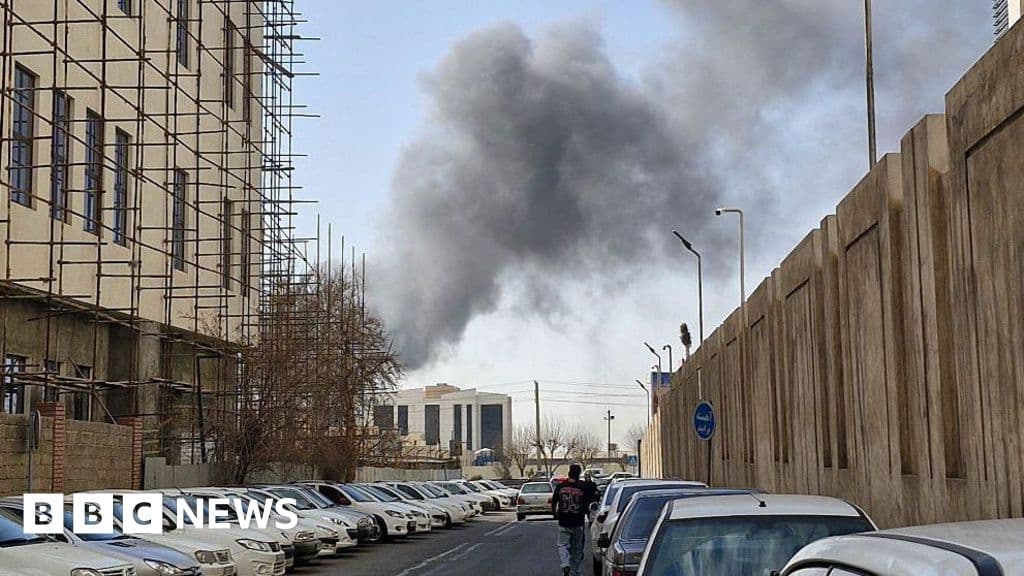
The national carrier's drastic measure was triggered by the abrupt closure of UAE and Qatari airspace. Early Saturday morning, following massive joint strikes by the US and Israel on Iranian territory, Tehran retaliated by launching ballistic missiles at American military assets and allied installations across the Gulf. With explosions reported in Abu Dhabi and Dubai, the Emirati General Civil Aviation Authority was forced to shut down its skies to protect civilian aircraft from the lethal crossfire.
In a detailed customer advisory, Kenya Airways confirmed the cancellation of multiple key flights, including KQ310, KQ305, KQ311, and KQ304. "We wish to inform our customers that we have temporarily suspended flights to Dubai and Sharjah until further notice due to the UAE airspace closure," the airline stated. KQ emphasized that the safety of its crew and passengers remains its paramount operational directive. Qatar Airways followed suit shortly after, halting its operations out of Doha and leaving thousands of transit passengers in geopolitical limbo.
The Nairobi-Dubai route is not merely a passenger flight path; it is an essential economic lifeline. Thousands of Kenyans rely on this corridor daily. Dubai serves as the premier sourcing hub for Kenyan entrepreneurs who import a vast array of goods, from high-tech electronics and mobile devices to textiles and motor vehicle spare parts. The suspension of KQ's freighter flights means that tons of cargo are currently stranded on the tarmac at Jomo Kenyatta International Airport (JKIA).
Conversely, Kenya's agricultural sector faces an imminent crisis. Local farmers who depend on these daily cargo routes to export highly perishable goods—such as cut flowers, premium avocados, and fresh vegetables—to affluent Middle Eastern markets are now staring at massive financial losses. Without a swift resolution, the spoilage of these exports will run into hundreds of millions of shillings, straining an agricultural sector already battling domestic economic pressures.
Beyond cargo, the human element of this suspension is deeply concerning. The Gulf region is home to hundreds of thousands of Kenyan expatriates working in various sectors, from domestic labor and hospitality to corporate finance. The sudden grounding of flights has trapped many workers attempting to travel home for leave or return to their workstations. Kenya Airways has apologized for the inconvenience and committed to engaging directly with affected customers, but the airline can offer no definitive timeline for when the skies will clear.
The Ministry of Foreign Affairs has urged Kenyans in the affected regions to remain vigilant and adhere to host country safety protocols. However, the suspension of flights effectively traps them in a volatile theater of war. As diplomatic channels strain to broker a de-escalation, the aviation industry remains paralyzed. The closure of these routes forces airlines into lengthy, expensive detours, consuming excess aviation fuel and inevitably driving up ticket prices.
This is not just an aviation crisis; it is an economic shockwave. "We sincerely apologize for the inconvenience caused and appreciate your patience," KQ noted in its corporate statement. Yet, as the missiles continue to fly across the Persian Gulf, patience is a luxury few Kenyan traders and stranded citizens can afford.
Keep the conversation in one place—threads here stay linked to the story and in the forums.
Sign in to start a discussion
Start a conversation about this story and keep it linked here.
Other hot threads
E-sports and Gaming Community in Kenya
Active 9 months ago
The Role of Technology in Modern Agriculture (AgriTech)
Active 9 months ago
Popular Recreational Activities Across Counties
Active 9 months ago
Investing in Youth Sports Development Programs
Active 9 months ago
Key figures and persons of interest featured in this article