We're loading the full news article for you. This includes the article content, images, author information, and related articles.
Treasury defends offloading 15% stake to Vodacom as a strategic masterstroke to fund infrastructure, but opposition leaders warn of a foreign takeover of Kenya’s most profitable asset without public consent.

The deal was inked in the quiet corridors of the National Treasury, but the political aftershocks are already rattling the streets of Nairobi. In a move that fundamentally alters the ownership of Kenya’s most profitable company, the government has quietly finalized the sale of a 15 percent stake in Safaricom to South Africa’s Vodacom Group, raising KES 244.5 billion ($1.89 billion).
The transaction, which reduces the state’s shareholding from 35 percent to 20 percent, effectively hands majority control (55 percent) of the telco giant to the Vodacom-Vodafone consortium. While the government frames this as a necessary fiscal maneuver to seed a new National Infrastructure Fund, the opposition has branded it a "betrayal of national sovereignty."
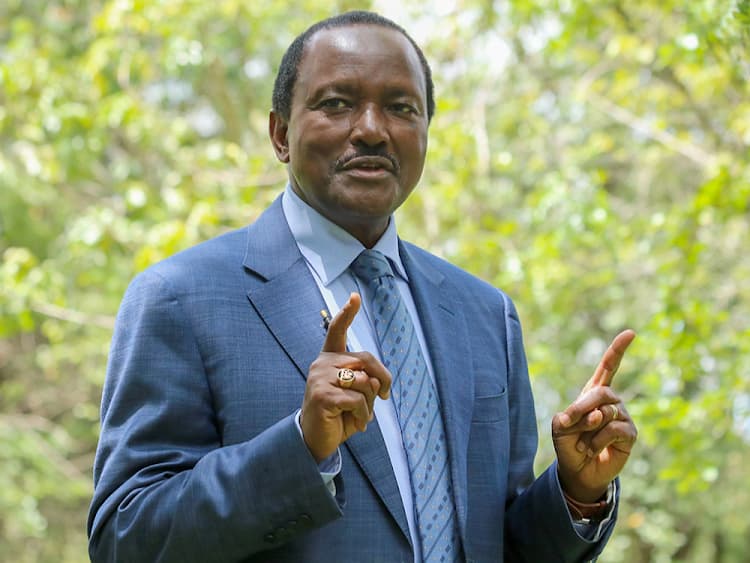
In a rare joint appearance that signals a hardening of their political marriage, Wiper Leader Kalonzo Musyoka and impeached former Deputy President Rigathi Gachagua tore into President William Ruto’s administration on Sunday. Their accusation is blunt: the government is selling the "family silver" to pay off debts, bypassing Parliament and the public entirely.
According to details confirmed by Treasury Cabinet Secretary John Mbadi, the state has sold 6 billion shares at KES 34 each—a significant premium over the current market price of roughly KES 28. The deal also includes a controversial upfront payment of KES 40.2 billion in exchange for the rights to future dividends on the government’s remaining 20 percent stake.
"This is not just a sale; it is a surrender," Kalonzo declared at the press briefing in Nairobi. "Safaricom is not just a company; it is a strategic national asset holding the sensitive data of millions of Kenyans through M-PESA. To hand over majority control to a foreign entity without a single public participation forum is unconstitutional."
Gachagua, leveraging his populist appeal, framed the sale as an assault on the common man. "They told us they would lower the cost of living. Instead, they are selling the only cow that gives us milk to buy meat for a feast we were not invited to," he said, warning that foreign control could lead to higher transaction costs for hustlers relying on mobile money.
The government, however, insists the deal is a financial masterstroke. CS Mbadi has vigorously defended the transaction, arguing that holding onto a minority stake while cashing out at a premium is "smart economics" for a cash-strapped exchequer.
"We are converting one asset into another," Mbadi told Streamline News. "Instead of locking capital in shares, we are deploying it to build roads and dams that will spur future growth. Safaricom remains a Kenyan company at heart, even if the share register changes."
Despite these assurances, the shift in power is undeniable. With Vodacom and Vodafone now holding a combined 55 percent, the decision-making center of gravity for East Africa’s biggest company tilts decisively toward Johannesburg and London. Analysts worry that while the "Kenyan brand" may remain, the strategic priorities—such as dividend payouts versus local reinvestment—will now be dictated by the majority shareholders.
For the average Kenyan, the concern is less about boardroom percentages and more about the safety of their M-PESA wallets. With the opposition threatening legal action to halt the transfer, the battle for the soul of Safaricom is just beginning.
"You cannot sell the house while the children are sleeping and call it an investment," Kalonzo warned in his closing remarks. "We will meet them in court, and we will meet them on the streets."
Keep the conversation in one place—threads here stay linked to the story and in the forums.
Sign in to start a discussion
Start a conversation about this story and keep it linked here.
Other hot threads
E-sports and Gaming Community in Kenya
Active 9 months ago
The Role of Technology in Modern Agriculture (AgriTech)
Active 9 months ago
Popular Recreational Activities Across Counties
Active 9 months ago
Investing in Youth Sports Development Programs
Active 9 months ago
Key figures and persons of interest featured in this article