We're loading the full news article for you. This includes the article content, images, author information, and related articles.
A severe drought pushes 2.1 million Kenyans into acute food insecurity, with skyrocketing food prices and livestock deaths creating a humanitarian emergency in the arid north.

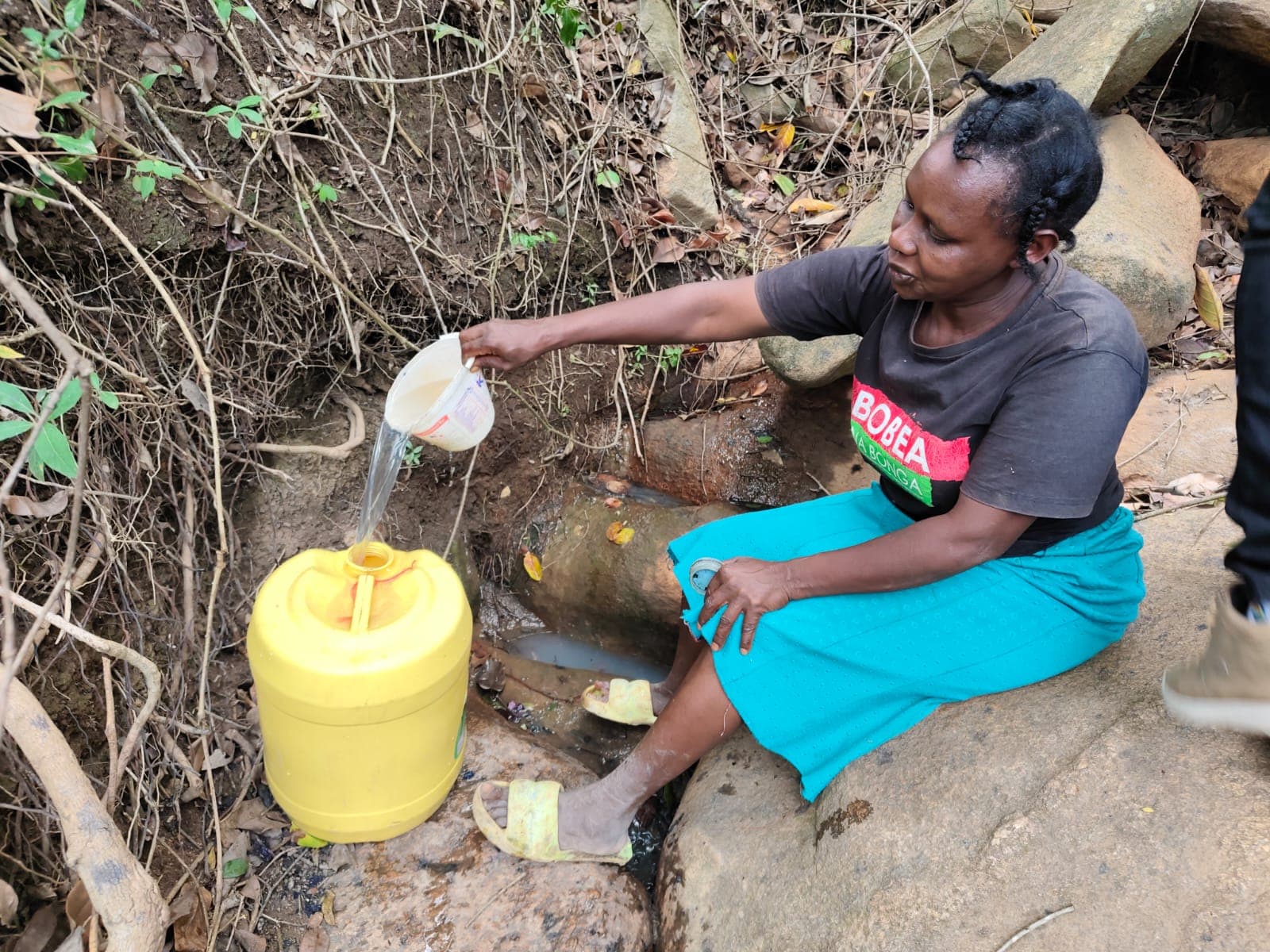
While Nairobi debates politics, a silent catastrophe is unfolding in the Arid and Semi-Arid Lands (ASALs). The National Drought Management Authority (NDMA) has raised the alarm that 2.1 million Kenyans are now in "Crisis" or "Emergency" food security phases, with the situation in Turkana, Marsabit, and Wajir deteriorating rapidly.
The latest Integrated Food Security Phase Classification (IPC) report paints a grim picture. Despite the El Niño rains of late 2024, the subsequent heatwave has evaporated water pans and scorched pasture. In Turkana North, malnutrition rates among children under five have spiked to 30%, crossing the World Health Organization’s "Critical" threshold.
The crisis is compounded by hyper-inflation in food prices. A 90kg bag of maize in Mandera is now trading at KES 7,500, nearly double the price in Kitale. "It is a double tragedy," explains humanitarian coordinator Ahmed Idris. "The livestock are dying, so the people have no income to buy food that is already too expensive."
Humanitarian agencies are warning of donor fatigue. The UN’s flash appeal for Kenya remains only 35% funded. Locally, governors from the Frontier Counties Development Council (FCDC) have threatened to suspend cooperation with the national government unless the Equalization Fund is released immediately to fund water trucking and relief food.
Keep the conversation in one place—threads here stay linked to the story and in the forums.
Sign in to start a discussion
Start a conversation about this story and keep it linked here.
Other hot threads
E-sports and Gaming Community in Kenya
Active 9 months ago
The Role of Technology in Modern Agriculture (AgriTech)
Active 9 months ago
Popular Recreational Activities Across Counties
Active 9 months ago
Investing in Youth Sports Development Programs
Active 9 months ago