We're loading the full news article for you. This includes the article content, images, author information, and related articles.
Nairobi's perennial struggle with catastrophic flooding has returned with a vengeance, severely testing the capital's disaster preparedness amid stark warnings of continued torrential downpours.
Nairobi's perennial struggle with catastrophic flooding has returned with a vengeance, severely testing the capital's disaster preparedness amid stark warnings of continued torrential downpours.
As extreme weather systems stall over East Africa, the Kenya Meteorological Department (KMD) has issued dire alerts, confirming that heavy rainfall exceeding 20mm in 24 hours will persist into March. Once again, seasonal rivers have burst their banks, plunging major highways into chaos.
This is a stark reminder of the city's fragile infrastructure. The cyclical nature of these floods highlights a systemic failure to implement long-term urban planning solutions, leaving millions of residents vulnerable to massive economic disruptions and life-threatening surges of urban runoff.
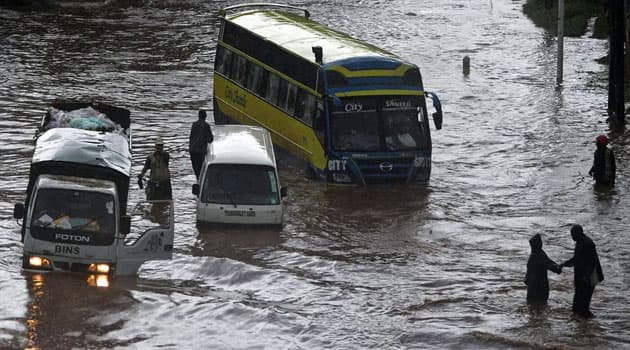
The visual narrative of Nairobi during the heavy rains is distressingly familiar: submerged vehicles, stranded commuters, and vital commercial districts transformed into muddy lakes. The latest deluge has overwhelmed the city's antiquated drainage systems, rendering major arterial roads impassable. Traffic gridlock stretches for kilometres, bringing the economic heartbeat of the nation to a grinding, frustrating halt.
Emergency response teams have been deployed to the worst-hit areas, primarily informal settlements situated along river basins. These communities bear the brunt of the devastation, with homes washed away and vital sanitation facilities compromised. The risk of waterborne diseases such as cholera and typhoid escalating into full-blown public health emergencies is a pressing concern for medical authorities monitoring the unfolding crisis.
The KMD's advisory offers little solace. The projection that intense rainfall will continue to batter the Southeastern lowlands, the Coastal region, and the Highlands East of the Rift Valley demands immediate, coordinated action from both national and county governments. The sheer volume of water cascading through the city requires infrastructure capable of managing unprecedented hydraulic pressure.
Climate scientists point to shifting weather patterns, exacerbated by global climate change, as the primary driver behind these intensified seasonal rains. The traditional long rains are becoming increasingly erratic, characterised by concentrated, highly destructive bursts rather than sustained, manageable showers. This unpredictability severely hampers agricultural planning and urban disaster mitigation efforts.
The KMD utilises advanced satellite tracking and historical data modelling to issue its forecasts. Their recent warnings specifically targeted the Northeastern parts of the country alongside the capital. The meteorological data suggests that atmospheric conditions remain highly unstable, meaning that sudden, severe thunderstorms can develop with minimal warning, catching commuters and vulnerable populations entirely off guard.
The root cause of Nairobi's flooding chaos extends far beyond the weather itself; it is a profound crisis of urban planning. Decades of unchecked construction, often encroaching upon natural riparian reserves, have effectively choked the city's natural waterways. Wetlands that historically acted as giant sponges to absorb excess rainfall have been paved over with concrete to make way for unregulated real estate developments.
Furthermore, the existing drainage infrastructure is chronically poorly maintained. Drains are frequently clogged with solid waste, primarily single-use plastics, rendering them useless when the rains arrive. The county government's ad-hoc efforts to clear these blockages often prove too little, too late. A comprehensive, multi-billion-shilling overhaul of the city's entire hydrological management system is desperately needed.
Civil engineering experts have consistently advocated for the implementation of sustainable urban drainage systems (SUDS). These systems aim to mimic natural water cycles, utilising permeable pavements, retention ponds, and urban green spaces to manage surface water runoff. Until such visionary infrastructure projects are prioritised and fully funded, the cycle of destruction will inevitably continue.
The economic toll of the flooding is staggering. Businesses suffer massive losses due to damaged inventory, interrupted supply chains, and employee absenteeism. The insurance sector faces a deluge of claims for damaged vehicles and properties, pushing up premiums and straining financial resources. The cumulative effect is a significant drag on the national gross domestic product.
However, the human cost is the most tragic aspect of the crisis. Families are displaced, livelihoods are destroyed, and in the most severe cases, lives are tragically lost to the raging waters. The psychological trauma inflicted on communities forced to constantly rebuild their lives from the mud cannot be quantified.
"We cannot simply accept that every heavy rain must result in chaos and tragedy; our city demands resilience, not mere reaction," urged a leading environmental activist in Nairobi.
Keep the conversation in one place—threads here stay linked to the story and in the forums.
Sign in to start a discussion
Start a conversation about this story and keep it linked here.
Other hot threads
E-sports and Gaming Community in Kenya
Active 9 months ago
The Role of Technology in Modern Agriculture (AgriTech)
Active 9 months ago
Popular Recreational Activities Across Counties
Active 9 months ago
Investing in Youth Sports Development Programs
Active 9 months ago