We're loading the full news article for you. This includes the article content, images, author information, and related articles.
In a landmark regional exchange, a high-level delegation from Côte d'Ivoire has visited Nairobi's Karura Forest to study advanced forest monitoring, community management, and sustainable ecosystem protection.
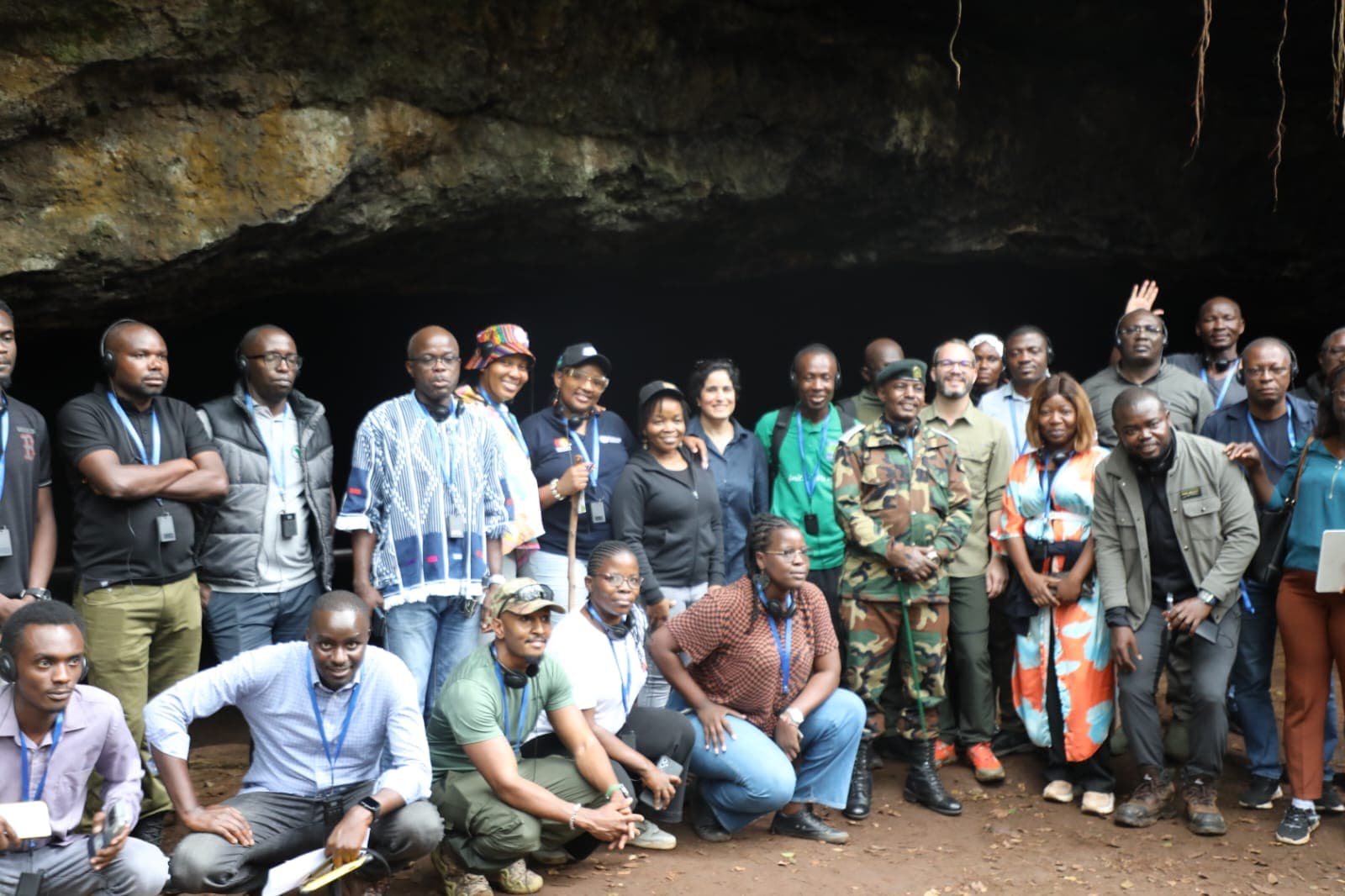
In a landmark regional exchange, a high-level delegation from Côte d'Ivoire has visited Nairobi's Karura Forest to study advanced forest monitoring, community management, and sustainable ecosystem protection.
This critical diplomatic mission underscores the growing importance of intra-African cooperation in the relentless battle against climate change and rapid deforestation.
The visit represents a powerful shift toward South-South knowledge sharing. Why does this matter right now? Côte d'Ivoire, once stripped of 85% of its forest cover to fuel the global cocoa trade, is aggressively pursuing restoration strategies, and Kenya's internationally lauded urban forest provides an exceptional blueprint for success.
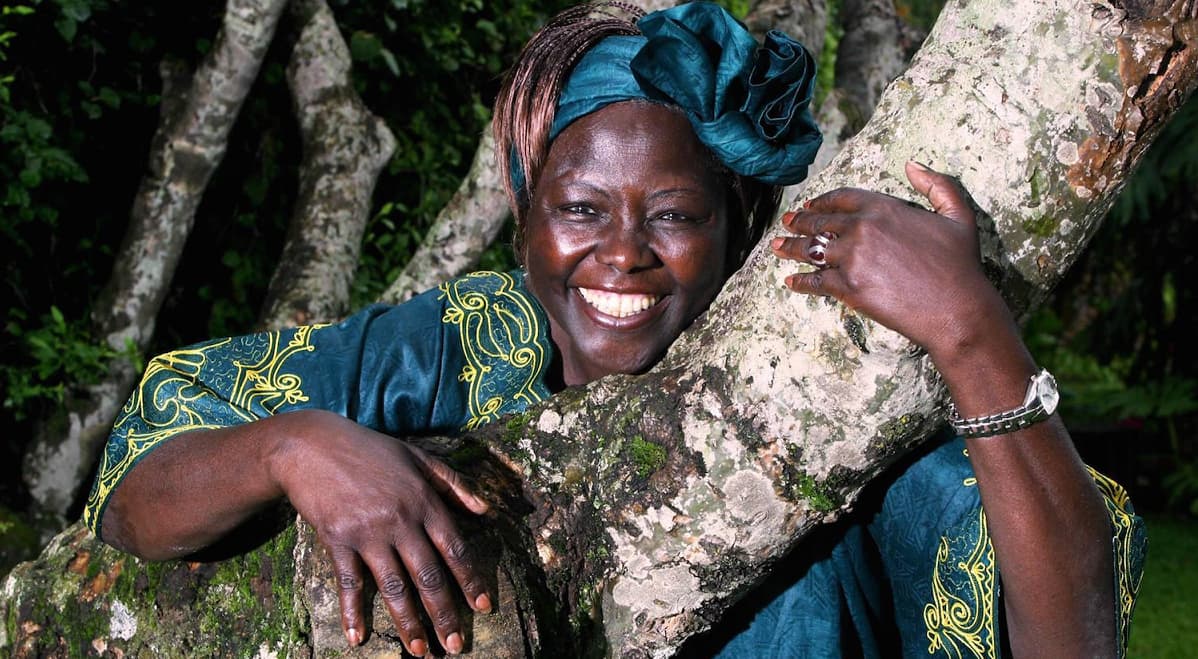
Karura Forest stands as a global testament to the efficacy of community-based conservation. Once a haven for illegal logging and criminal activity, the 1,041-hectare sanctuary was fiercely defended by the late Nobel laureate Prof. Wangari Maathai. Under the stewardship of the Friends of Karura Forest, the area has been transformed into a model urban ecosystem.
The Ivorian delegation was guided through the intricacies of Kenya's Forest Conservation and Management Act, which legally empowers Community Forest Associations (CFAs). This framework allows communities to share the responsibilities and financial benefits of forest resources, a strategy that drastically lowers deforestation rates compared to strictly state-controlled reserves.
Côte d'Ivoire has committed to restoring its national forest cover to 20% by 2030, a monumental task requiring innovative financing and strict monitoring. Their exchange in Nairobi builds upon previous international partnerships, such as their collaboration with Costa Rica facilitated by the UN-REDD programme.
While Kenya proudly showcases Karura, the visit arrives at a complex moment for local conservation politics. Recent shifts directing Karura's entry fees exclusively through the government's eCitizen platform have raised concerns about the potential marginalization of the very community groups that saved the forest. The Ivorian delegation's visit serves as a timely reminder to the Kenyan government of the international prestige and undeniable effectiveness of the community management model.
For Africa to succeed in its climate goals, the synthesis of political will and grassroots action is non-negotiable. This exchange between two of the continent's economic powerhouses lays the groundwork for a unified, resilient African environmental policy.
By learning from both the triumphs and political tensions of Karura, Côte d'Ivoire is arming itself with the knowledge required to resurrect its own vanishing woodlands.
Keep the conversation in one place—threads here stay linked to the story and in the forums.
Sign in to start a discussion
Start a conversation about this story and keep it linked here.
Other hot threads
E-sports and Gaming Community in Kenya
Active 9 months ago
The Role of Technology in Modern Agriculture (AgriTech)
Active 9 months ago
Popular Recreational Activities Across Counties
Active 9 months ago
Investing in Youth Sports Development Programs
Active 9 months ago
Key figures and persons of interest featured in this article