We're loading the full news article for you. This includes the article content, images, author information, and related articles.
Kenya's coffee sector is undergoing a massive structural overhaul, but agricultural economists warn that without strict adherence to quality and volume consistency, the revival will fail.
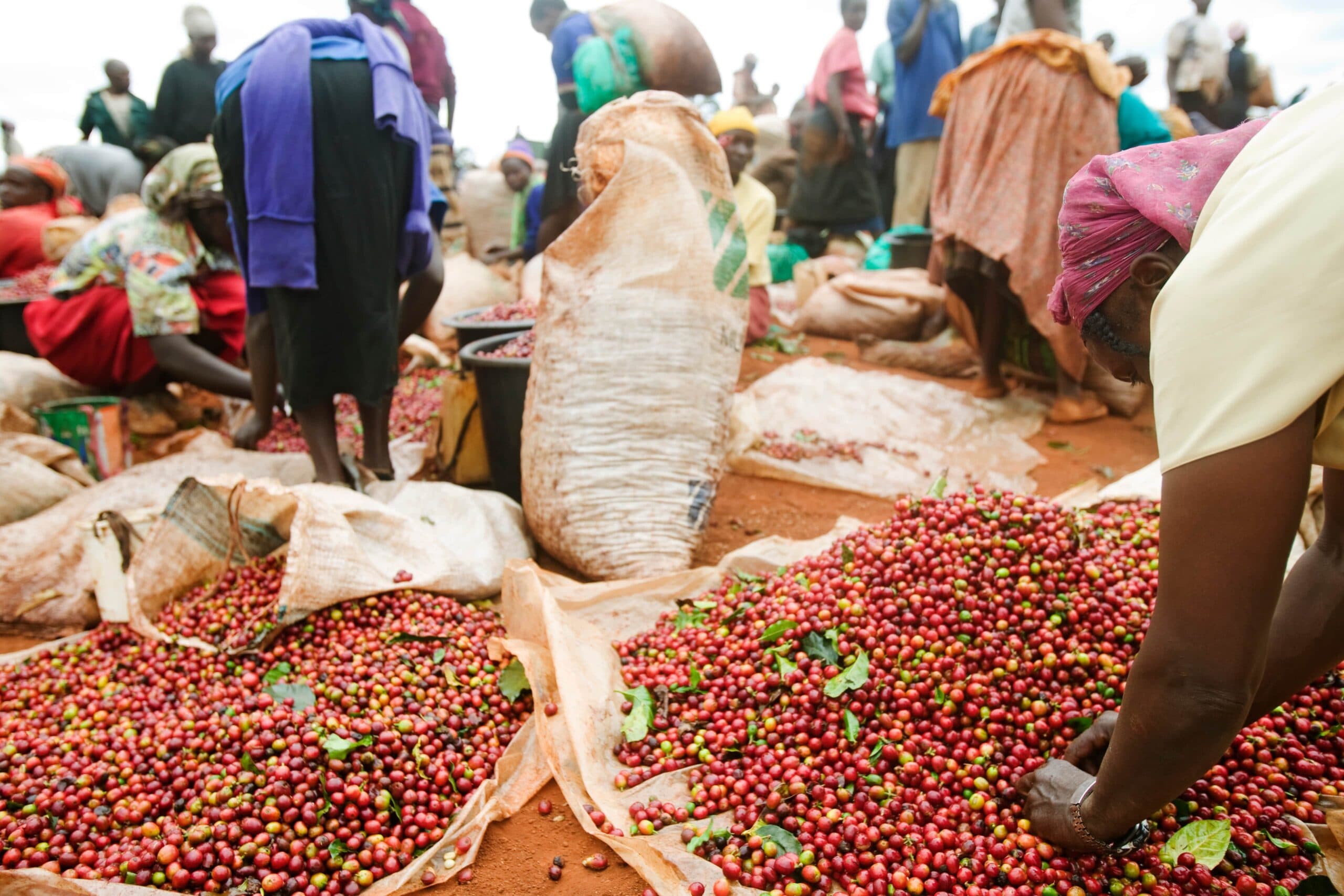
Kenya's coffee sector is undergoing a massive structural overhaul, but agricultural economists warn that without strict adherence to quality and volume consistency, the much-anticipated revival will collapse before yielding dividends.
The aroma of Kenyan coffee is globally revered, yet the farmers producing it have suffered decades of diminishing returns. The government is intervening, but policy alone will not fill the cups of international buyers.
This economic pivot is critical. Coffee was once Kenya's premier foreign exchange earner, building the foundation of the post-independence economy. Today, as global markets demand traceability and premium beans, local cooperatives must modernize their processing or risk being marginalized by aggressive competitors in Latin America and neighboring Ethiopia. The stakes are nothing less than the financial survival of millions of rural households.
For years, the Kenyan coffee industry has been plagued by structural inefficiencies, cartel dominance, and aging infrastructure at the cooperative level. The national government has launched sweeping reforms aimed at cutting out predatory middlemen and returning a larger share of the export price directly to the farmer. However, market experts writing for the Business Daily have highlighted a glaring blind spot: the market buys beans, not policies.
Kenya's competitive advantage has always been its unique terroir, particularly the acidic, volcanic soils of the Mount Kenya region which produce the highly sought-after SL28 and SL34 varietals. Yet, inconsistent milling and poor post-harvest handling frequently degrade this inherent quality. International specialty roasters in Europe and the Americas are willing to pay premium prices, but only for beans that cup consistently high year after year.
When a cooperative delivers a 90-point coffee one season and an 80-point coffee the next, trust is broken. Roasters are forced to look elsewhere for their baseline blends, leading to wild price fluctuations at the Nairobi Coffee Exchange.
To secure a sustainable revival, the sector must embrace rigorous standard operating procedures from the farm to the mill. Consistency is the only metric that guarantees long-term futures contracts.
Furthermore, climate change poses an existential threat to the sector. Erratic rainfall patterns and rising temperatures in traditional coffee-growing zones are forcing farmers to adopt shade-grown techniques and drought-resistant cultivars. The newly introduced Ruiru 11 and Batian varieties offer disease resistance, but purists argue they must be carefully managed to retain the classic Kenyan flavor profile.
The potential for wealth generation is immense. If Kenya can stabilize its production volumes while ruthlessly protecting its quality standards, the revenue multiplier effect will transform rural economies. A revitalized coffee sector would alleviate poverty, create jobs for rural youth in processing and logistics, and stabilize the national currency through robust dollar inflows.
However, the window of opportunity is closing. Global buyers have diverse options and little patience for logistical bottlenecks. The government's reforms are the necessary scaffolding, but the farmers and millers must build the house.
The golden era of Kenyan coffee is not lost to history; it is waiting to be meticulously cultivated, one consistently perfect harvest at a time.
Keep the conversation in one place—threads here stay linked to the story and in the forums.
Sign in to start a discussion
Start a conversation about this story and keep it linked here.
Other hot threads
E-sports and Gaming Community in Kenya
Active 9 months ago
The Role of Technology in Modern Agriculture (AgriTech)
Active 9 months ago
Popular Recreational Activities Across Counties
Active 9 months ago
Investing in Youth Sports Development Programs
Active 9 months ago