We're loading the full news article for you. This includes the article content, images, author information, and related articles.
As Nigeria approaches the 2027 general elections, rising political hostility and violence in key states like Edo threaten to derail democratic stability.

The drums of the 2027 general elections are beating across Nigeria, but they are accompanied by the increasingly chilling echo of political violence. From the humid streets of Benin City to the corridors of power in Abuja, a disturbing pattern of intimidation, arson, and direct assault against opposition figures is signaling a perilous shift in the nation’s democratic trajectory. As the country prepares for the next electoral cycle, the atmosphere is thickening with a palpable sense of dread, forcing a fundamental question onto the national agenda: can the federal government maintain a level playing field, or is the country sliding back into a period of institutionalized lawlessness?
The stakes of the upcoming polls are monumental, and for the average Nigerian, the price of instability is measured not just in abstract democratic metrics, but in the erosion of local economies and personal security. Data from recent months indicates a worrying frequency of attacks on party offices, political convoys, and dissenters. In Edo State, the situation reached a boiling point earlier this year, serving as a microcosmic warning for what could unfold on a national scale. When state governors and local officials deploy the machinery of power—including the use of state-sanctioned security operatives or the tacit endorsement of political thuggery—to silence opposition, they are not merely winning local skirmishes they are dismantling the very foundations of the ballot box.
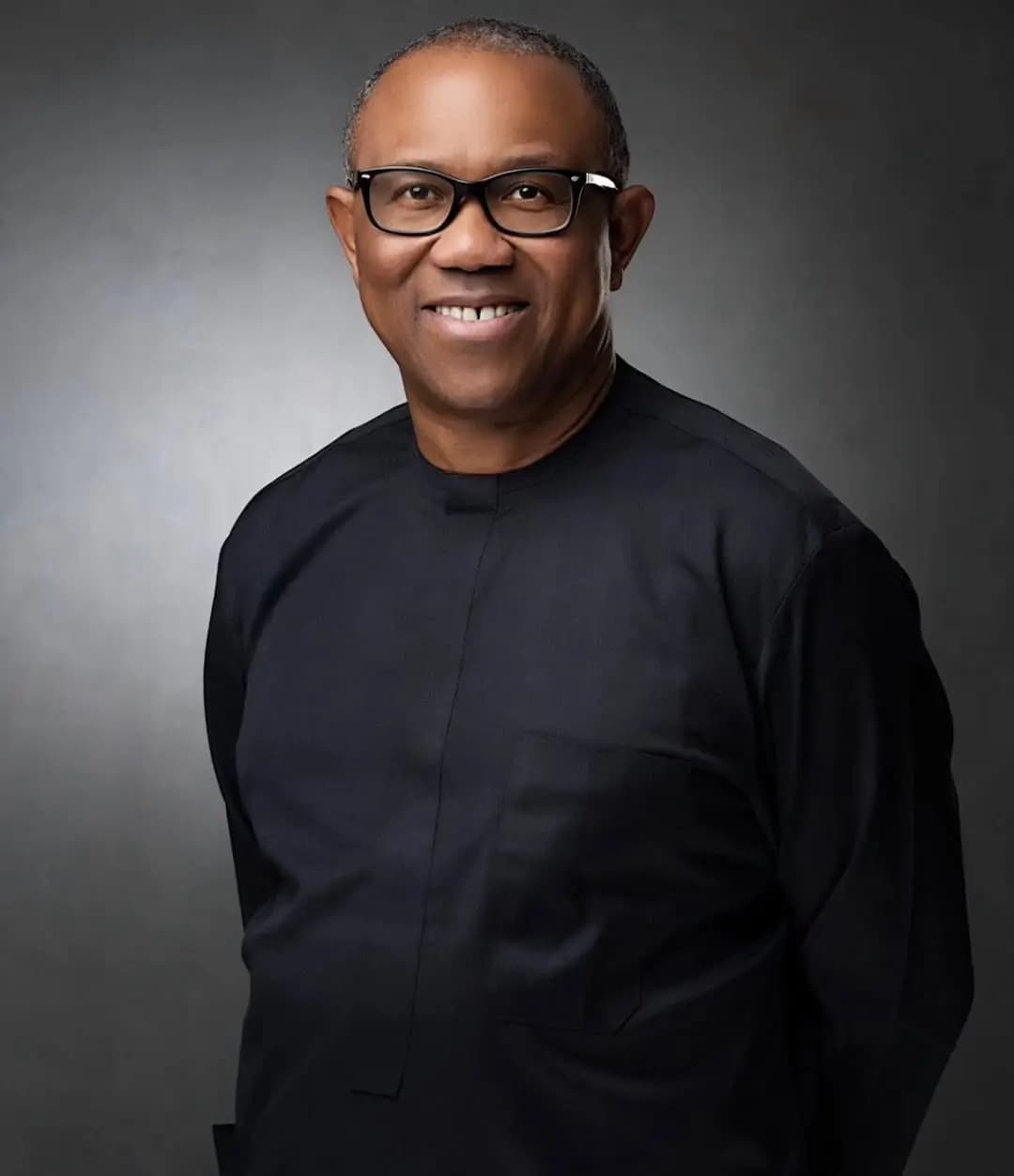
The violence witnessed in Edo State, which saw gunfire exchanged during political engagements and the intimidation of high-profile opposition figures like Peter Obi, is not an isolated phenomenon. Analysts note that these incidents reflect a broader strategy where the state apparatus is weaponized to eliminate political competition before it even reaches the voting booth. The rhetoric emerging from leaders like Governor Monday Okpebholo, who has previously issued warnings to opposition figures visiting his state, sets a dangerous precedent. When such rhetoric is met with inaction by federal security agencies, it signals a green light for lower-level party loyalists to escalate their tactics from verbal threats to physical violence.
The economic toll of this climate is equally devastating. In a fiscal environment already strained by inflation and currency volatility—where essential goods and fuel costs fluctuate wildly—the added cost of political instability is unquantifiable. Foreign investors, who look at Nigeria’s democratic stability as a barometer for market health, are already signaling caution. An election period marred by violence could easily trigger a multi-billion shilling contraction in trade for instance, a 5% decline in national investment confidence due to civil unrest could represent a loss of billions of Kenya Shillings (or billions of Naira), deepening the financial burden on the average citizen already struggling with the removal of fuel subsidies and the rising cost of living.
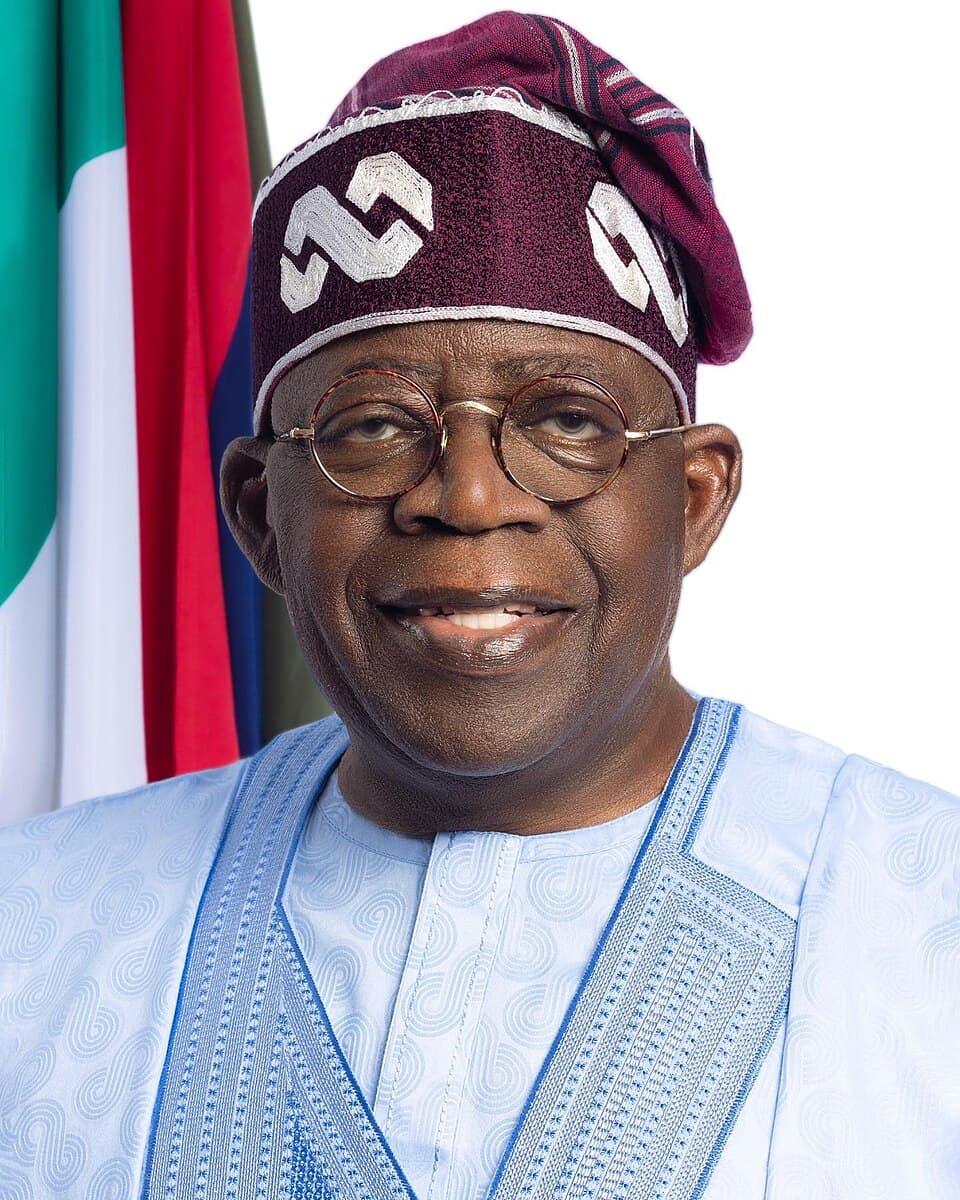
The responsibility for preventing this slide into chaos rests heavily on the executive branch, led by President Bola Ahmed Tinubu. As the nation’s chief security officer, the President’s silence or perceived partiality in the face of partisan aggression undermines his legitimacy as a neutral arbiter of the democratic process. History offers a grim template for what happens when political elites prioritize ambition over peace. The specter of the First Republic’s Operation Wetie and the bloodshed of the 2011 post-election violence serve as constant reminders of the human cost of unbridled political competition.
For observers in Nairobi, the headlines emanating from Abuja are hauntingly familiar. Kenya, which is also hurtling toward its own electoral anxiety cycle ahead of 2027, shares a similar structural fragility with Nigeria. In both nations, the centralization of power around the executive creates a high-stakes environment where losing an election is perceived as a total loss of access to state resources. Kenyan political culture, long defined by a "hustler versus dynasty" narrative and complex tribal arithmetic, faces the same temptation to mobilize youth networks not for policy discourse, but for muscle in street-level intimidation.
When civil society in Nigeria petitions the African Union or the ECOWAS Court of Justice, they are sounding an alarm that should be heard across East Africa. If Nigeria, as the continent’s most populous democracy, cannot contain the scourge of election-related violence, it sends a signal to autocrats and power-hungry incumbents across the continent that the cost of suppressing dissent is negligible. The survival of democracy in Africa is not a domestic issue it is a regional imperative. Whether in the markets of Westlands or the political hubs of Ikeja, the demand is the same: the ballot must remain a tool of preference, not a target of bullets.
The countdown to 2027 is not just a calendar event it is a stress test for the integrity of the state. If the federal government continues to treat the brewing violence as mere "political friction," it will inevitably find itself managing a crisis of its own making. The remedy requires more than peace accords and televised promises. It demands the immediate, impartial prosecution of any official, regardless of party affiliation, found to be inciting or financing political violence. Anything less is a betrayal of the millions of voters whose voices are being muffled by the sound of gunfire.
Keep the conversation in one place—threads here stay linked to the story and in the forums.
Sign in to start a discussion
Start a conversation about this story and keep it linked here.
Other hot threads
E-sports and Gaming Community in Kenya
Active 10 months ago
The Role of Technology in Modern Agriculture (AgriTech)
Active 10 months ago
Popular Recreational Activities Across Counties
Active 10 months ago
Investing in Youth Sports Development Programs
Active 10 months ago
Key figures and persons of interest featured in this article