We're loading the full news article for you. This includes the article content, images, author information, and related articles.
President Tinubu`s bold reforms face a critical test as Nigeria struggles with chronic power shortages and economic volatility. Is real change possible?

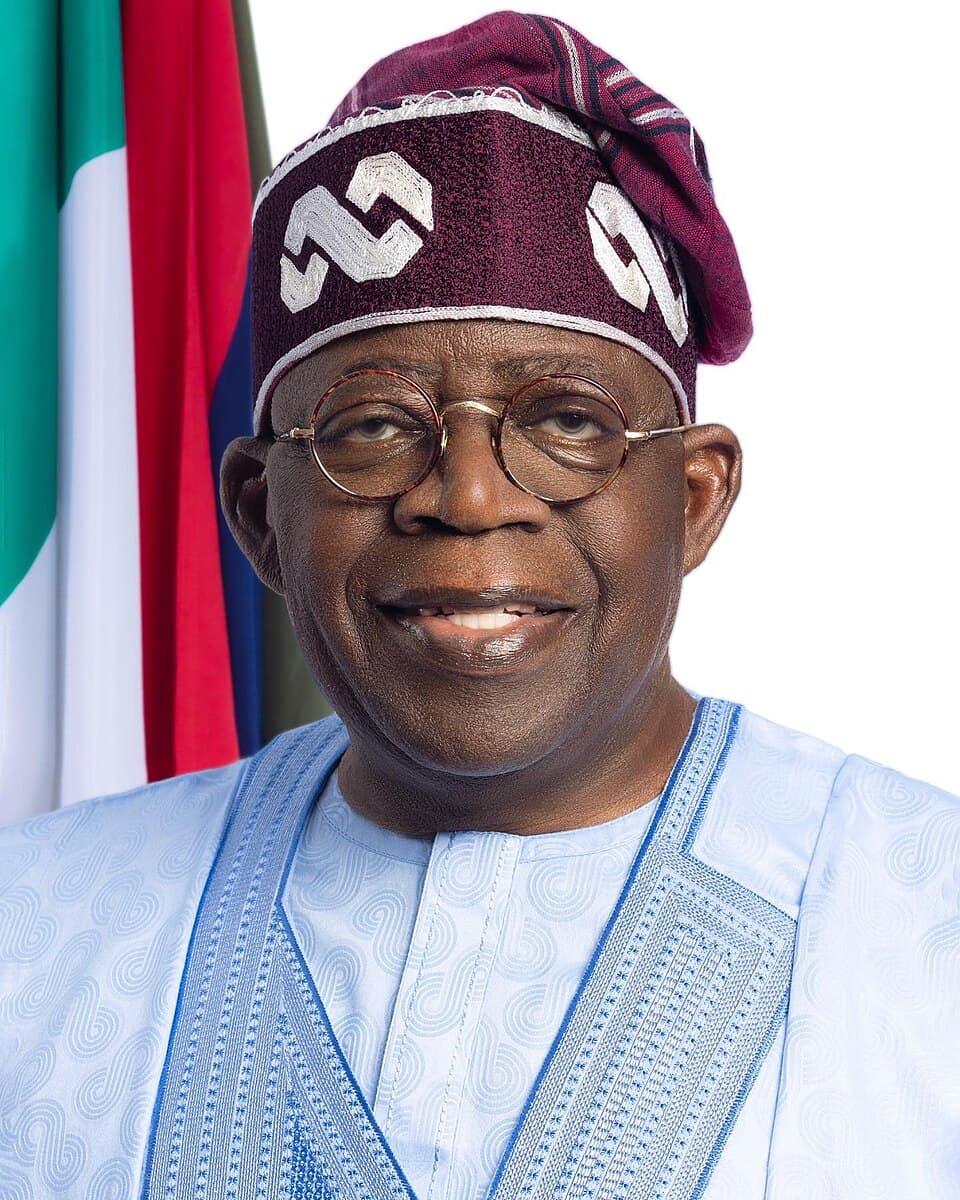
The persistent hum of diesel generators remains the unofficial soundtrack of urban Nigeria, a pervasive drone that signals both economic ambition and systemic failure. For decades, the nation has grappled with an energy crisis that stifles productivity, inflates the cost of goods, and creates an uneven playing field for small and medium enterprises. As President Bola Ahmed Tinubu maneuvers through the treacherous waters of economic reform, his administration’s approach to the energy sector has become the ultimate test of his political capital and his capacity for transformative governance.
This is not merely an infrastructural challenge it is a fundamental question of whether the Nigerian state can pivot from a dependence on expensive, decentralized power generation to a centralized, reliable grid system. The stakes are immense: Nigeria’s manufacturing sector, the backbone of a diversified economy, continues to operate at a fraction of its potential due to the exorbitant costs of self-generated electricity. As the government attempts to balance fiscal prudence with the desperate need for industrial resuscitation, the nation finds itself at a precipice, watching to see if bold policy can overcome the entrenchment of decades-old stagnation.
Nigeria’s power sector is trapped in a paradox that would challenge the most seasoned technocrats. The country possesses significant natural gas reserves, yet it struggles to transport this fuel to power plants, while the transmission infrastructure—the narrow neck of the bottle—remains woefully inadequate to distribute even the modest amount of electricity actually generated. According to reports from the Transmission Company of Nigeria, the national grid frequently experiences severe load shedding, often dipping below 4,000 megawatts for a population exceeding 230 million people. To put this in perspective, this is barely enough to keep a major metropolis in the developed world adequately lit, let alone power a burgeoning industrial giant.
The economic ramifications are staggering. Business owners in Lagos and Kano frequently cite energy expenditure as their single largest operational cost, often exceeding rent and labor. When converted to market equivalents, the daily reliance on diesel generators costs the private sector billions in lost potential growth. Experts at major financial institutions in Lagos suggest that the true cost of Nigeria’s energy deficit is not just the price of fuel, but the hundreds of thousands of jobs that are never created because companies cannot afford to bridge the power gap. The transition away from the fuel subsidy regime, a signature policy of the Tinubu administration, was designed to free up fiscal space, but without immediate, tangible improvements in the power sector, this austerity feels punitive rather than preparatory.
The challenges facing Nigeria bear striking similarities to the energy hurdles recently navigated by nations across East Africa. Kenya, for instance, has embarked on a painful but necessary restructuring of its energy tariffs, moving away from expensive thermal power in favor of an ambitious, albeit challenging, expansion of geothermal and wind energy. The narrative in Nairobi has shifted from mere generation capacity to the efficiency of distribution and the stability of the grid.
There is an ongoing debate regarding the nature of heroism in governance. Supporters of the current administration argue that true leadership is defined by the willingness to absorb short-term political backlash in pursuit of long-term economic structural adjustment. This perspective posits that Nigeria can no longer afford the comfort of subsidized, inefficient systems that benefit a connected few while impoverishing the broader economy. However, critics point out that heroism must also be measured by outcomes, not just intentions. If the economic reforms do not yield a more reliable power supply, the sacrifice asked of the populace will be seen not as an investment, but as a miscalculation.
The challenge for President Tinubu is to communicate a vision where the current economic contraction is understood as a transition phase toward an energy-secure future. This requires more than just policy pronouncements it demands a transparent overhaul of the power value chain, starting from the gas-to-power pipeline infrastructure to the distribution companies that have historically failed to deliver service despite periodic tariff hikes. Without concrete steps to modernize the transmission grid and ensure gas availability, the rhetoric of progress will continue to ring hollow against the backdrop of the relentless roar of diesel generators.
As Nigeria moves into the latter half of this fiscal year, the narrative of energy reform will define the legacy of this administration. Whether the government can bridge the gap between ambitious policy and the harsh reality on the factory floor remains to be seen. The lights may be flickering across the nation, but the glare of public scrutiny on the administration’s energy strategy is, for the first time in a decade, unremitting. The question is no longer whether Nigeria needs energy reform, but whether the current leadership has the endurance to see it through to the end.
Keep the conversation in one place—threads here stay linked to the story and in the forums.
Sign in to start a discussion
Start a conversation about this story and keep it linked here.
Other hot threads
E-sports and Gaming Community in Kenya
Active 10 months ago
The Role of Technology in Modern Agriculture (AgriTech)
Active 10 months ago
Popular Recreational Activities Across Counties
Active 10 months ago
Investing in Youth Sports Development Programs
Active 10 months ago
Key figures and persons of interest featured in this article