We're loading the full news article for you. This includes the article content, images, author information, and related articles.
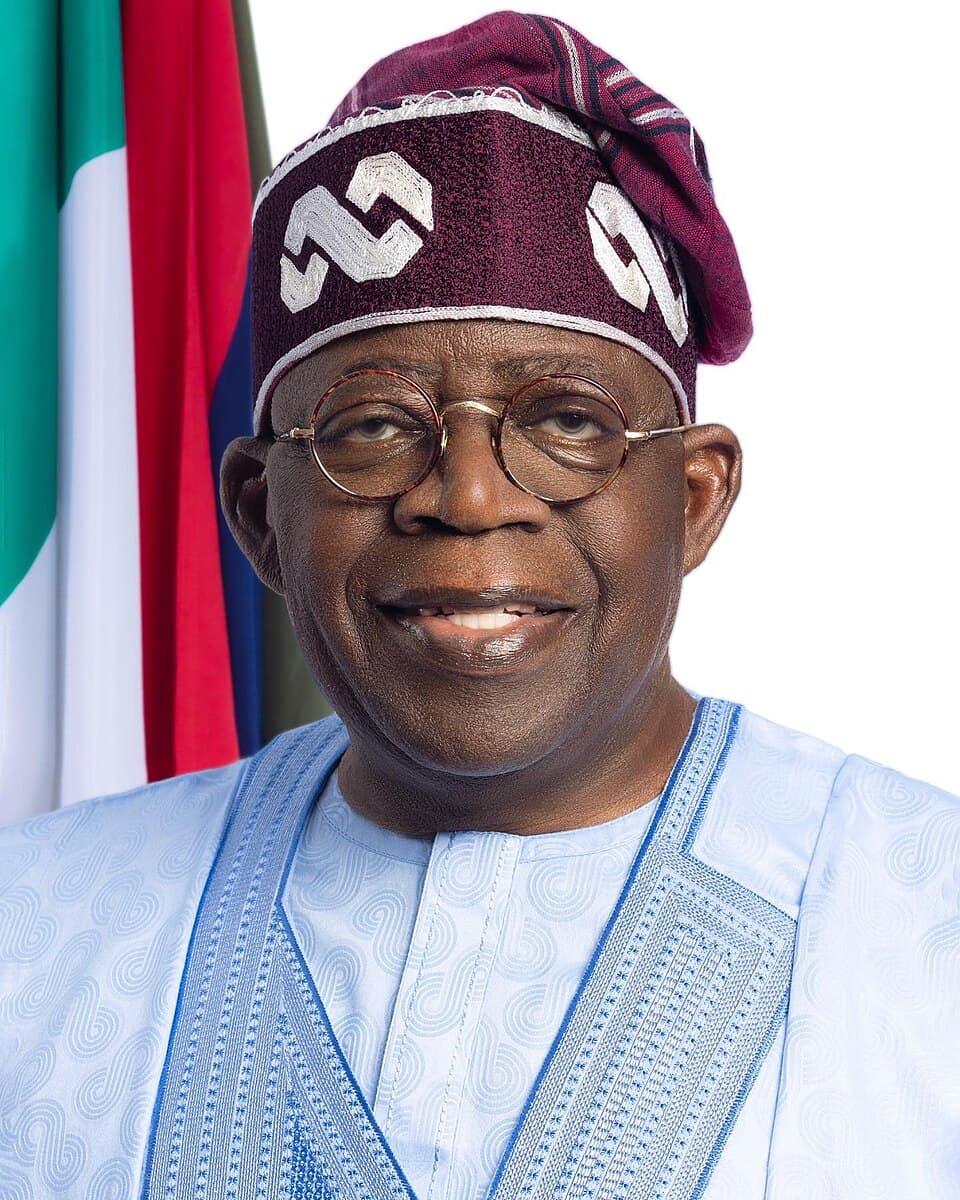
President Bola Tinubu approves a one-year extension on the export of unrefined shea nuts to stimulate domestic processing and capture global value.
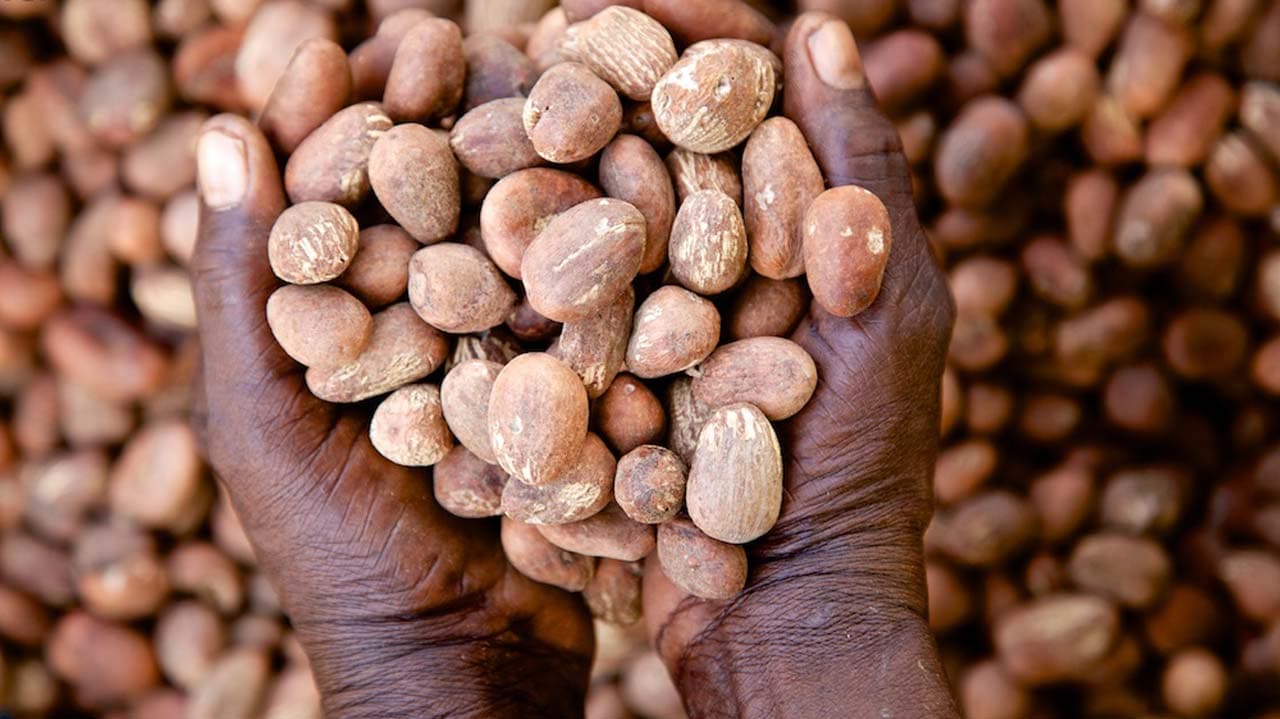
The Nigerian Federal Government has officially authorized a one-year extension on the export prohibition of unprocessed raw shea nuts across all commercial borders.
This aggressive protectionist policy represents a deliberate macroeconomic shift from raw commodity extraction to sophisticated domestic value addition. By forcing the localization of the processing supply chain, Nigeria intends to violently disrupt its historical exploitation within the multi-billion-dollar global cosmetics and agricultural markets.
Originally implemented as a six-month temporary restriction in August 2025, the extended embargo is now slated to run from February 26, 2026, through February 25, 2027. The directive, articulated by Presidential spokesperson Bayo Onanuga, immediately nullifies all previously granted export waivers. Any excess supply of the raw agricultural product must now be routed exclusively through the stringent regulatory framework of the Nigerian Commodity Exchange (NCX).
President Bola Ahmed Tinubu's administration has fundamentally aligned this policy with the Renewed Hope Agenda, a blueprint focused on rapid industrialization and job creation. To ensure seamless enforcement, the Federal Ministry of Industry, Trade and Investment has been heavily mandated to construct a unified national framework alongside the Presidential Food Security Coordination Unit. This coalition will police the entire Savanna belt, where the oil-rich shea trees grow in absolute abundance.
The statistical rationale driving this embargo is stark and economically indefensible. Currently, the West African nation cultivates approximately 40 percent of the global shea nut supply. Yet, paradoxically, Nigeria captures a dismal 1 percent of the market's total revenue, which is valued at an estimated $6.5 billion (approximately KES 845 billion). The bulk of the profits are siphoned off by foreign processing conglomerates situated in Europe and Asia.
By processing the raw nuts into refined shea butter domestically, the commodity commands a premium on international exchanges—fetching between ten and twenty times the price of the raw agricultural harvest. Vice President Kashim Shettima previously declared the historical revenue hemorrhage "unacceptable," setting a rigid short-term target of generating $300 million (approx. KES 39 billion) annually from the refined sector alone.
Recognizing that an export ban without domestic capacity building is an exercise in futility, the presidency has initiated a robust fiscal support mechanism. The Federal Ministry of Finance has been directly instructed to activate a dedicated NESS Support Window. This financial architecture will fund a Livelihood Finance Mechanism, explicitly designed to empower local farming cooperatives and rural processing syndicates with the heavy machinery required to refine the nuts at an industrial scale.
This policy offers a profound lesson for East African economies, particularly Kenya, which has historically grappled with similar export dilemmas concerning its raw macadamia and cashew nut sectors. The Nigerian model demonstrates a sovereign willingness to endure short-term trade friction in exchange for long-term industrial sovereignty and massive rural wealth generation.
While critics argue that abrupt bans disrupt established informal trade routes and momentarily hurt subsistence farmers, the federal government maintains an uncompromising stance. The administration views the transition from exporter of raw materials to exporter of finished goods as an existential necessity.
"We are rewriting the terms of our global participation; Nigerian resources will no longer fuel foreign industries while our own processing floors remain dormant," concluded a statement from the presidency.
Keep the conversation in one place—threads here stay linked to the story and in the forums.
Sign in to start a discussion
Start a conversation about this story and keep it linked here.
Other hot threads
E-sports and Gaming Community in Kenya
Active 9 months ago
The Role of Technology in Modern Agriculture (AgriTech)
Active 9 months ago
Popular Recreational Activities Across Counties
Active 9 months ago
Investing in Youth Sports Development Programs
Active 9 months ago
Key figures and persons of interest featured in this article