We're loading the full news article for you. This includes the article content, images, author information, and related articles.
Agricultural experts in Busia County are rallying farmers to rigorously test diverse crop varieties and conduct soil analysis to drastically boost local food production and commercial viability.

Agricultural experts in Busia County are rallying farmers to rigorously test diverse crop varieties and conduct soil analysis to drastically boost local food production and commercial viability.
In a concerted effort to revolutionize rural farming, experts from Farm Input Promotions (FIPS) Africa are shifting the paradigm from traditional subsistence agriculture to precision, data-driven farming.
For decades, East African farmers have grappled with stagnating yields exacerbated by unpredictable weather patterns and depleted soil nutrients. Introducing systematic testing protocols is not just an agricultural upgrade; it is a vital economic intervention designed to elevate household incomes and secure the region against escalating climate shocks.
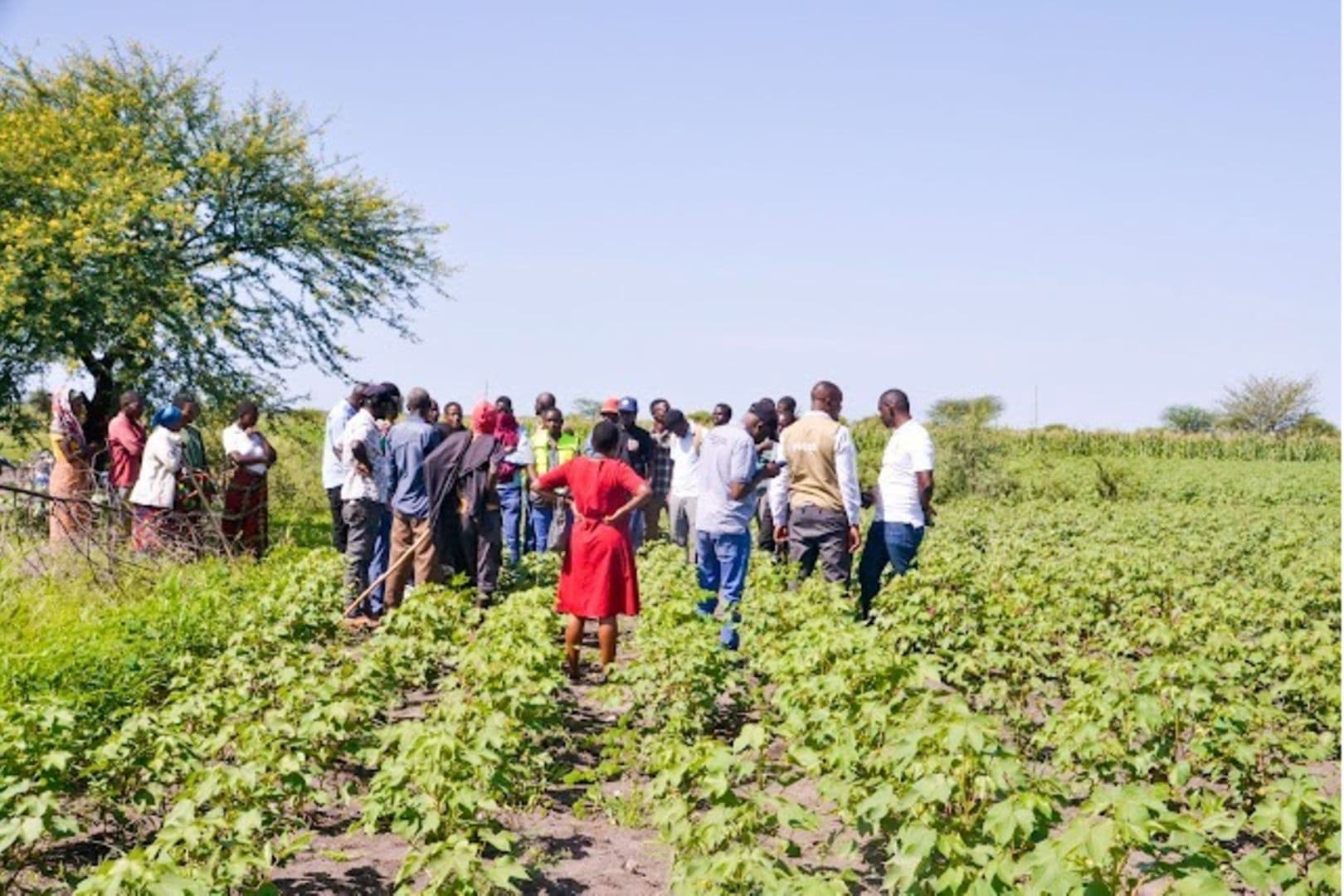
During a heavily attended community baraza convened by Chief Joel Omachar in Amagoro, agricultural officers outlined a comprehensive strategy for sustainable food production. Collins Otiende, representing FIPS, emphasized that the foundational step to a successful harvest is understanding the earth itself.
In an unprecedented collaboration with the Kenya Agricultural and Livestock Research Organization (KALRO), local farmers have been granted access to heavily subsidized soil testing services, costing a mere Sh50 (approx. KES 50) per acre. This diagnostic approach allows farmers to scientifically determine their soil's fertility levels and pH balance, enabling them to select the exact crop varieties and fertilizers required for optimal growth.
The initiative's scope extends significantly beyond basic crop farming. Recognizing the immense potential of mixed farming, FIPS is actively promoting the cultivation of high-protein fodder aimed at drastically increasing dairy output to an ambitious target of 40 litres of milk per cow daily. Furthermore, the program supports the upgrading of local cattle genetics through subsidized artificial insemination services.
Teso North Crops Officer Eric Magero issued a stern warning to farmers preparing for the early March planting season. He cautioned that planting seeds without the appropriate, soil-specific fertilizers would inevitably result in dismal yields, completely negating their labor.
The push for diversification into groundnuts and African leafy vegetables is a calculated economic strategy. By linking agricultural output directly to ready markets and local processing facilities, the initiative guarantees farmers prompt payment—often within two weeks of delivery—thereby injecting vital liquidity into the rural economy.
This hands-on, community-level intervention is rapidly changing the agricultural landscape in Busia County. By equipping farmers with the knowledge to make informed, scientific choices, the region is paving the way for unprecedented food security.
"Food security starts at the family level," noted Magero, perfectly encapsulating the grassroots philosophy that is set to transform East Africa's agrarian future.
Keep the conversation in one place—threads here stay linked to the story and in the forums.
Sign in to start a discussion
Start a conversation about this story and keep it linked here.
Other hot threads
E-sports and Gaming Community in Kenya
Active 9 months ago
The Role of Technology in Modern Agriculture (AgriTech)
Active 9 months ago
Popular Recreational Activities Across Counties
Active 9 months ago
Investing in Youth Sports Development Programs
Active 9 months ago