We're loading the full news article for you. This includes the article content, images, author information, and related articles.
Trans Nzoia Governor George Natembeya has rejected overtures to join the Kenya Kwanza administration, doubling down on his opposition stance ahead of 2027.

Standing before a sea of supporters in Kitale, Trans Nzoia Governor George Natembeya delivered a blunt ultimatum to his political adversaries: his administration is not for sale, and his loyalty to his grassroots base is non-negotiable. As the 2027 electoral cycle approaches, the governor has categorically rejected overtures from the ruling Kenya Kwanza administration, positioning himself as the defiant anchor of a resurgent opposition in Western Kenya.
This declaration is not merely a local political squabble it marks a significant escalation in the struggle for the soul of the Mulembe Nation. For months, strategists linked to the national government have sought to bring the outspoken former Rift Valley Regional Commissioner into the fold, hoping to neutralize one of the most vociferous critics of President William Ruto’s economic policies. With the 2027 General Election looming, Natembeya’s refusal to switch sides underscores the growing friction between county-level leaders demanding increased devolution and a central government eager to consolidate its influence across the grain-basket regions.
At the center of this political standoff is the Tawe movement, a crusade initiated by Natembeya that has transcended its regional origins to become a broader clarion call against political complacency. In the local Luhya dialect, Tawe simply means No, and under Natembeya’s leadership, it has evolved from a slogan into a potent socio-political identity. The movement represents a rejection of the traditional political brokerage that has historically defined Western Kenya’s participation in national government, where local interests are often sacrificed for transactional alliances.
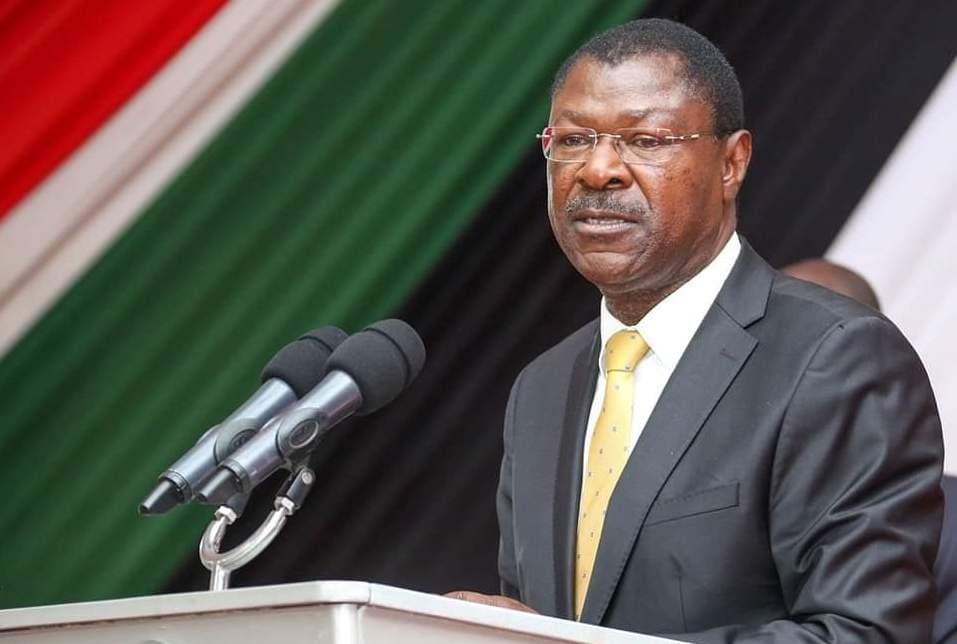
Analysts observe that the governor’s strategy is designed to bypass the traditional political gatekeepers—figures like National Assembly Speaker Moses Wetangula and Prime Cabinet Secretary Musalia Mudavadi—who have long dictated the region’s political trajectory. By creating an independent power base, Natembeya is challenging the entrenched narrative that Western Kenya must always trade its support for government inclusion to see development.
The attempts to woo Natembeya into the Kenya Kwanza camp are not accidental. Trans Nzoia serves as a critical agricultural hub, and controlling the political narrative here is essential for any coalition seeking to dominate Western Kenya. Political operatives close to the presidency have frequently engaged in outreach, arguing that the region stands to gain more from collaboration than confrontation. However, Natembeya has consistently characterized these meetings as coercive rather than collaborative.
In recent months, the governor has faced significant administrative headwinds, including investigations into county budget management and internal assembly unrest, which his supporters view as politically motivated intimidation. The state maintains that these actions are purely matters of rule-of-law and accountability, yet the timing—coming precisely when Natembeya’s political rhetoric has reached its sharpest pitch—has reinforced the perception of a targeted campaign to force his compliance.
Beyond the theatrics of rallies and fiery speeches lies a deeper economic reality that fuels this conflict. County governments in Kenya currently struggle with delayed disbursements of the equitable share from the National Treasury, leading to stalled infrastructure projects and pending bills that cripple local businesses. For a governor like Natembeya, the argument for alignment with the government is often presented in terms of development: support the president, and the cash flow improves. Resistance, conversely, is framed as a risk to the county’s growth.
Natembeya’s decision to remain in opposition is a gamble that he can mobilize public sentiment to pressure the national government into respecting the devolution framework, regardless of the political affiliation of the county leadership. He argues that service delivery is a constitutional obligation, not a reward for political loyalty. This principled stance has earned him support among voters who are increasingly weary of the transactional nature of Kenyan politics, yet it leaves his administration vulnerable to the budgetary squeezes that characterize the current economic climate.
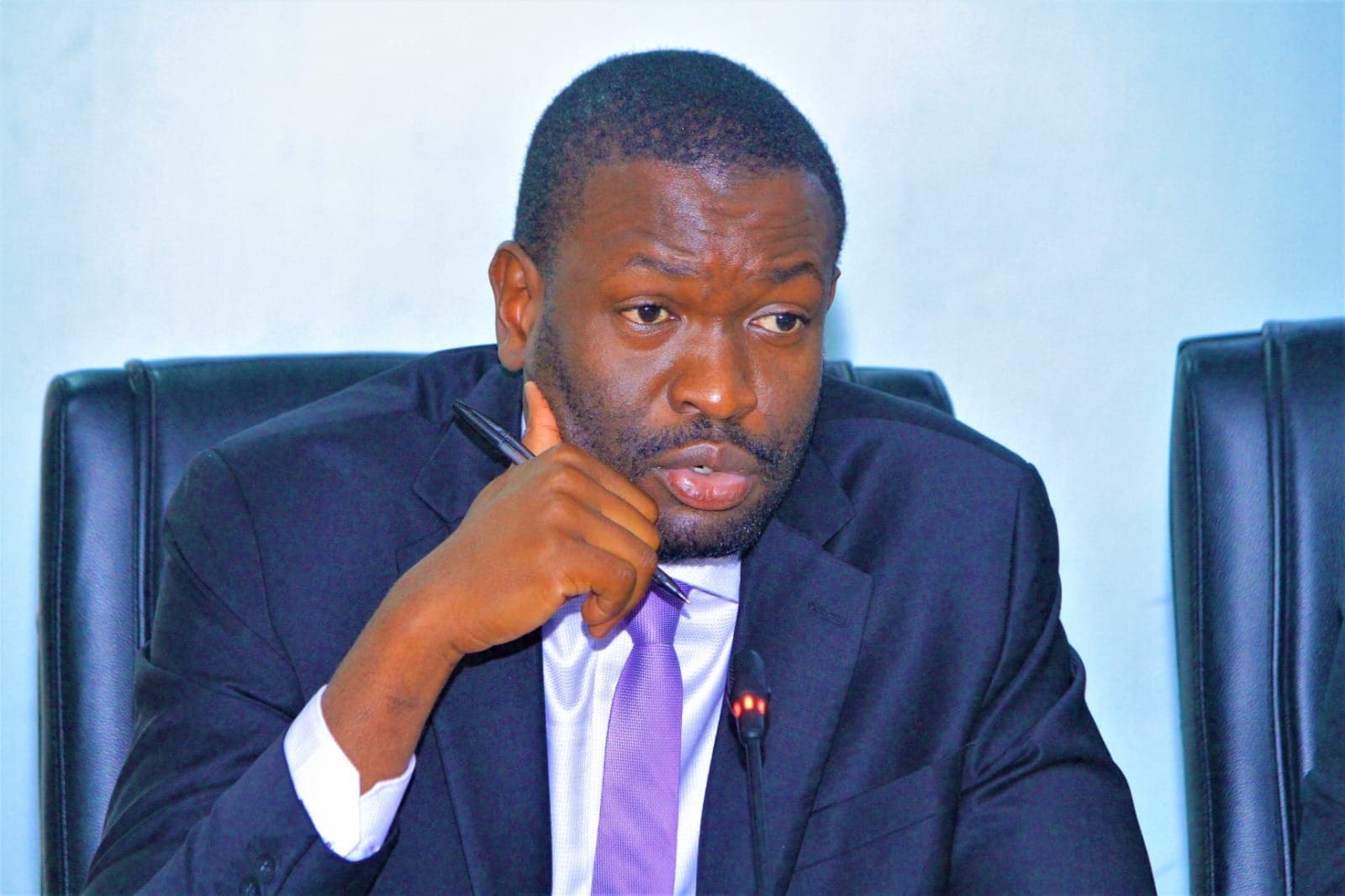
As the country edges closer to 2027, the question of whether Natembeya can sustain this defiance remains open. His alliance with other reform-minded figures, such as ODM Secretary General Edwin Sifuna, suggests an attempt to build a broader coalition that transcends tribal lines and focuses on youth-led, issue-based politics. This axis is attempting to revive the legacy of historic Western Kenya leaders while modernizing the message for a restless, digitally savvy generation.
Ultimately, the showdown in Trans Nzoia is a microcosm of the larger national debate over the type of leadership Kenyans demand. Will the 2027 elections be a continuation of the politics of patronage and co-option, or will a new, firmer brand of governance take root? For George Natembeya, the path forward is clear: he is betting that the electorate is tired of the old guard and is ready for a leader who refuses to be bought, regardless of the political cost.
Keep the conversation in one place—threads here stay linked to the story and in the forums.
Sign in to start a discussion
Start a conversation about this story and keep it linked here.
Other hot threads
E-sports and Gaming Community in Kenya
Active 9 months ago
The Role of Technology in Modern Agriculture (AgriTech)
Active 9 months ago
Popular Recreational Activities Across Counties
Active 9 months ago
Investing in Youth Sports Development Programs
Active 9 months ago
Key figures and persons of interest featured in this article