We're loading the full news article for you. This includes the article content, images, author information, and related articles.
Kenya has launched a new infrastructure financing mechanism, sparking debate over whether the initiative offers sustainable growth or hides sovereign debt.

President William Ruto’s recent signing of the National Infrastructure Fund (NIF) Bill into law marks a pivotal shift in Kenya’s economic architecture, but it has simultaneously ignited a fierce debate over the nation’s fiscal future. While the government promotes the KES 5 trillion (approximately $38.7 billion) initiative as a revolutionary move to decouple development from sovereign debt, skeptics fear it may inadvertently create a parallel, opaque channel for borrowing that bypasses traditional transparency checks.
The legislation, which was fast-tracked through Parliament and signed on March 9, 2026, promises to mobilize massive capital for projects including highways, railways, and energy grids over the next decade. For a nation grappling with a high cost of living and constrained fiscal space, the NIF is presented as the primary solution for unlocking growth without further burdening taxpayers. Yet, as the ink dries on the new Act, the central question remains: Is this a genuinely innovative mechanism for investment, or is it a mechanism designed to obscure liabilities?
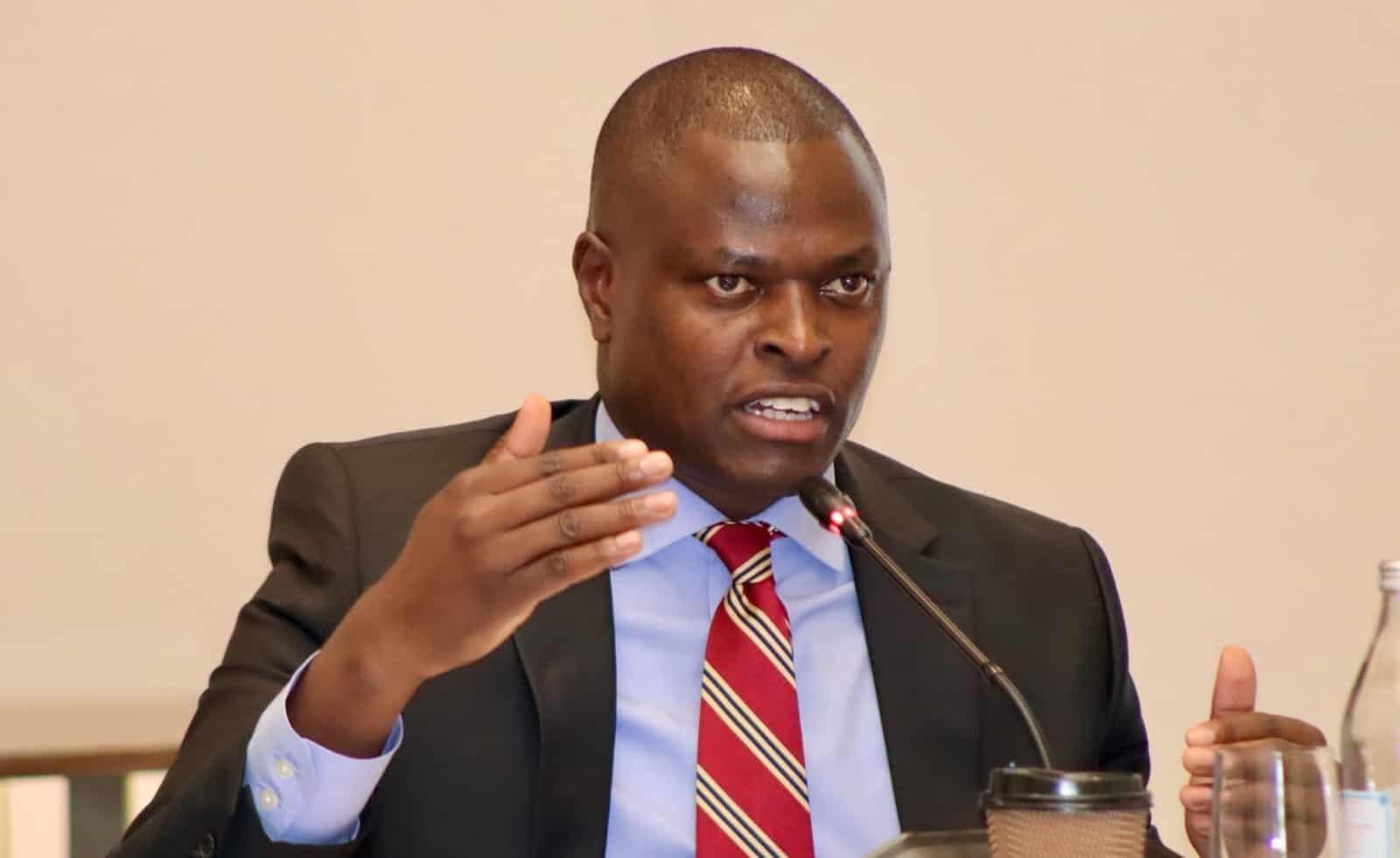
The National Infrastructure Fund is structured to function as an investment platform rather than a traditional government borrowing facility. According to Treasury Cabinet Secretary John Mbadi, the fund is designed to attract long-term institutional capital, including pension funds, development finance institutions, and private equity. The fundamental logic is that infrastructure projects—provided they are "bankable"—can generate their own returns through tolling, user fees, or energy sales, thereby servicing the capital invested without requiring direct government repayment.
The first beneficiary of this new model is the planned expansion of the Jomo Kenyatta International Airport (JKIA), a project expected to utilize KES 20 billion in initial equity participation. Government officials argue that by shifting from a model where the Treasury acts as the sole guarantor of loans, the NIF will allow the state to bypass the rigid debt ceilings that have previously stalled mega-projects like the SGR extensions and various road networks.
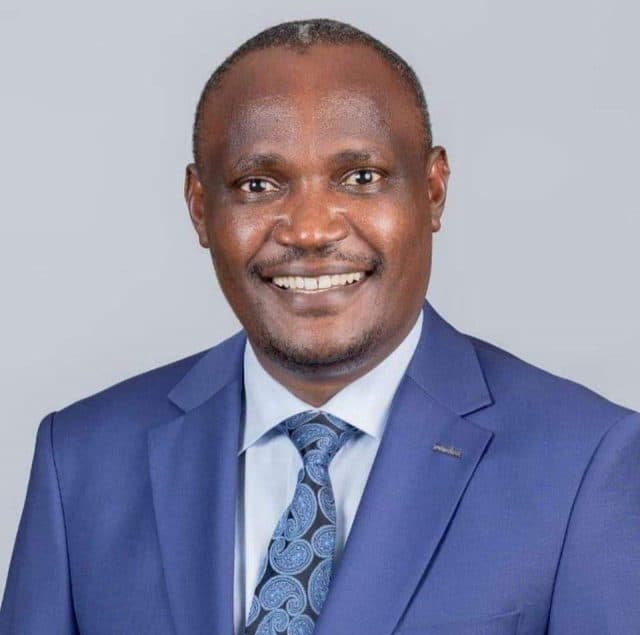
Despite the optimism expressed by the Executive, opposition voices and economic analysts have raised alarms regarding the fund’s accountability. Kiharu Member of Parliament Ndindi Nyoro, a prominent critic of the legislation, has publicly labeled the fund "off-the-books borrowing." The argument suggests that by creating a separate legal entity to raise capital for public infrastructure, the government effectively creates a shadow balance sheet.
If these infrastructure projects underperform or fail to generate the projected revenue, the ultimate risk often defaults to the taxpayer. Critics point to the experience of various state-owned enterprises that have required massive bailouts in the past. There is a palpable fear that the NIF could become a vehicle for government-guaranteed debt that does not appear in standard national debt tallies, potentially masking the true extent of Kenya’s financial exposure until a crisis forces transparency.
The administration has defended the NIF by citing successful sovereign wealth and infrastructure funds in nations like Singapore, India, and the United Arab Emirates. However, economists warn that the context in these countries is fundamentally different. In those instances, the funds were capitalized using surplus wealth generated by oil revenues or massive trade surpluses, rather than being used as a mechanism to aggressively leverage future debt.
For Kenya, the success of the NIF hinges entirely on the quality of project selection and governance. If the fund is managed with the strict rigor of a private equity firm, it could indeed catalyze a surge in high-return infrastructure. If, however, it succumbs to the same political pressures that have historically plagued state-led development—prioritizing political optics over economic viability—the fund risks becoming an expensive liability that exacerbates the very debt crisis it seeks to solve.
Investors appear cautiously optimistic, though they are waiting for the publication of the fund’s regulatory guidelines and the appointment of the independent board. The ability to attract private capital is the acid test. Domestic institutional investors, particularly pension funds, have long sought stable, long-term assets but have been historically wary of government-linked projects due to corruption risks and mismanagement.
The government must now prove that the NIF is not merely a political instrument but a transparent, rule-based institution. As the first capital calls for the JKIA expansion approach, the eyes of the market will be on whether this fund acts as a catalyst for prosperity or a dangerous expansion of fiscal risk. The future of Kenya’s development lies in this delicate balance between the urgent need for infrastructure and the absolute necessity of fiscal discipline.
Ultimately, the National Infrastructure Fund represents a bold gamble by the state. It recognizes that the era of unlimited sovereign borrowing is over, forcing the government to embrace a more complex, market-driven approach. Whether this experiment leads to a golden age of infrastructure or a new era of fiscal instability depends on one critical factor: trust in the institutions that will hold the keys to this new vault.
Keep the conversation in one place—threads here stay linked to the story and in the forums.
Sign in to start a discussion
Start a conversation about this story and keep it linked here.
Other hot threads
E-sports and Gaming Community in Kenya
Active 9 months ago
The Role of Technology in Modern Agriculture (AgriTech)
Active 9 months ago
Popular Recreational Activities Across Counties
Active 9 months ago
Investing in Youth Sports Development Programs
Active 9 months ago
Key figures and persons of interest featured in this article