We're loading the full news article for you. This includes the article content, images, author information, and related articles.
The utility firm clears a chunk of its overdue bills to KenGen and IPPs after the Auditor-General flagged mounting interest charges that threaten to inflate consumer prices.
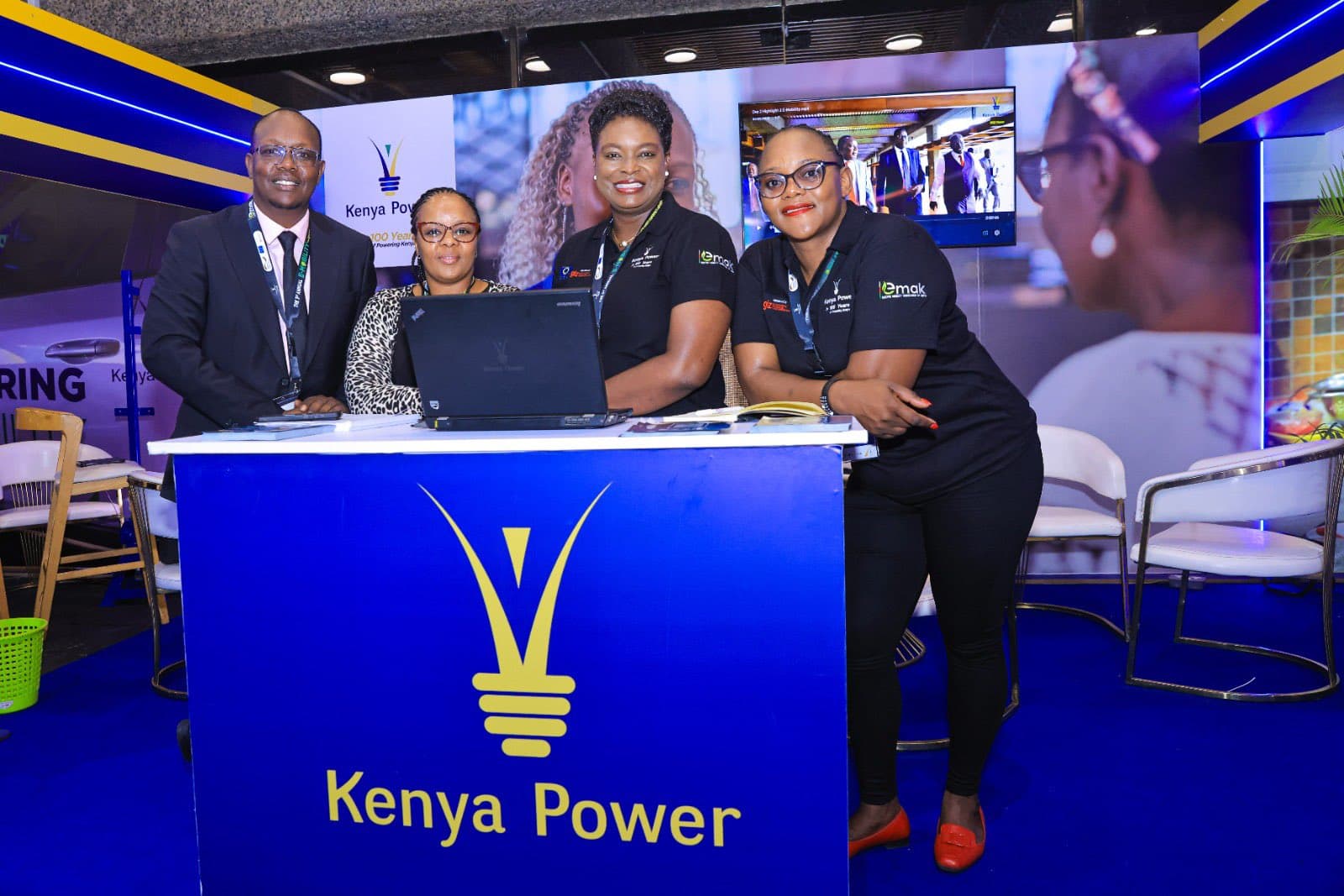
Kenya Power has paid Sh24 billion (approx. $186 million) to electricity generators in a bid to slash the mounting penalties on overdue bills that have long plagued the utility firm. The payment, covering the financial year ended June 2025, comes as a strategic move to pacify independent power producers (IPPs) and the state-owned KenGen, while attempting to shield Kenyans from the trickle-down cost of debt servicing.
The aggressive settlement follows persistent warnings from Auditor-General Nancy Gathungu, who has repeatedly flagged the company’s habit of accruing interest on late payments—costs that are often passed on to the taxpayer. By clearing this portion of arrears, Kenya Power aims to stabilize its balance sheet and restore confidence among the private investors who generate nearly half of the country’s electricity.
For years, the relationship between Kenya Power and its suppliers has been strained by liquidity crunches. When the utility delays payments, contracts often trigger punitive interest clauses. These penalties are not just accounting figures; they are operational costs that eventually factor into the Energy and Petroleum Regulatory Authority’s (EPRA) tariff reviews.
Data reveals a stark disparity in where the money goes:
Energy analysts note that while this Sh24 billion payment is a step forward, it is a drop in the ocean compared to the structural imbalances in the sector. "Paying off arrears is good hygiene," notes a Nairobi-based energy economist. "But if the underlying contracts remain expensive and the government itself doesn't clear its debt to Kenya Power, we are just treating the symptoms."
The payment comes against a backdrop of renewed scrutiny on Independent Power Producers. In November 2025, Parliament lifted a three-year moratorium on new IPPs, signaling a return to private sector engagement to meet rising demand. However, the ghost of expensive contracts lingers.
Reports indicate that in the 2023/24 period, Kenya Power paid IPPs over Sh73 billion for supplying roughly 41% of the grid’s power, while KenGen received significantly less for supplying nearly 60%. This pricing mismatch remains a sore point for consumers, who pay some of the highest electricity rates in the region.
The liquidity crisis at Kenya Power is circular. While the utility struggles to pay producers, it is simultaneously owed over Sh26 billion by the government itself. The Rural Electrification Scheme and various county governments are among the biggest defaulters, leaving Kenya Power in a cash-flow stranglehold.
During a recent grilling by the National Assembly’s Energy Committee, management highlighted that efficiency is hampered when the State—its majority shareholder—is also its biggest delinquent client. "We must walk the talk when it comes to paying our debts," urged Pokot South MP David Pkosing, reflecting the frustration of a legislature caught between angry voters and a broke utility.
As the festive season approaches, the clearing of these bills offers a glimmer of stability. However, for the average Kenyan household, the true test will be whether these financial maneuvers translate into a lower token price at the meter.
Keep the conversation in one place—threads here stay linked to the story and in the forums.
Sign in to start a discussion
Start a conversation about this story and keep it linked here.
Other hot threads
E-sports and Gaming Community in Kenya
Active 10 months ago
The Role of Technology in Modern Agriculture (AgriTech)
Active 10 months ago
Popular Recreational Activities Across Counties
Active 10 months ago
Investing in Youth Sports Development Programs
Active 10 months ago
Key figures and persons of interest featured in this article