We're loading the full news article for you. This includes the article content, images, author information, and related articles.
Government inks definitive agreement with Chinese and UAE partners to construct the long-delayed dam, aiming to irrigate 300,000 acres and end the country’s reliance on rain-fed agriculture.

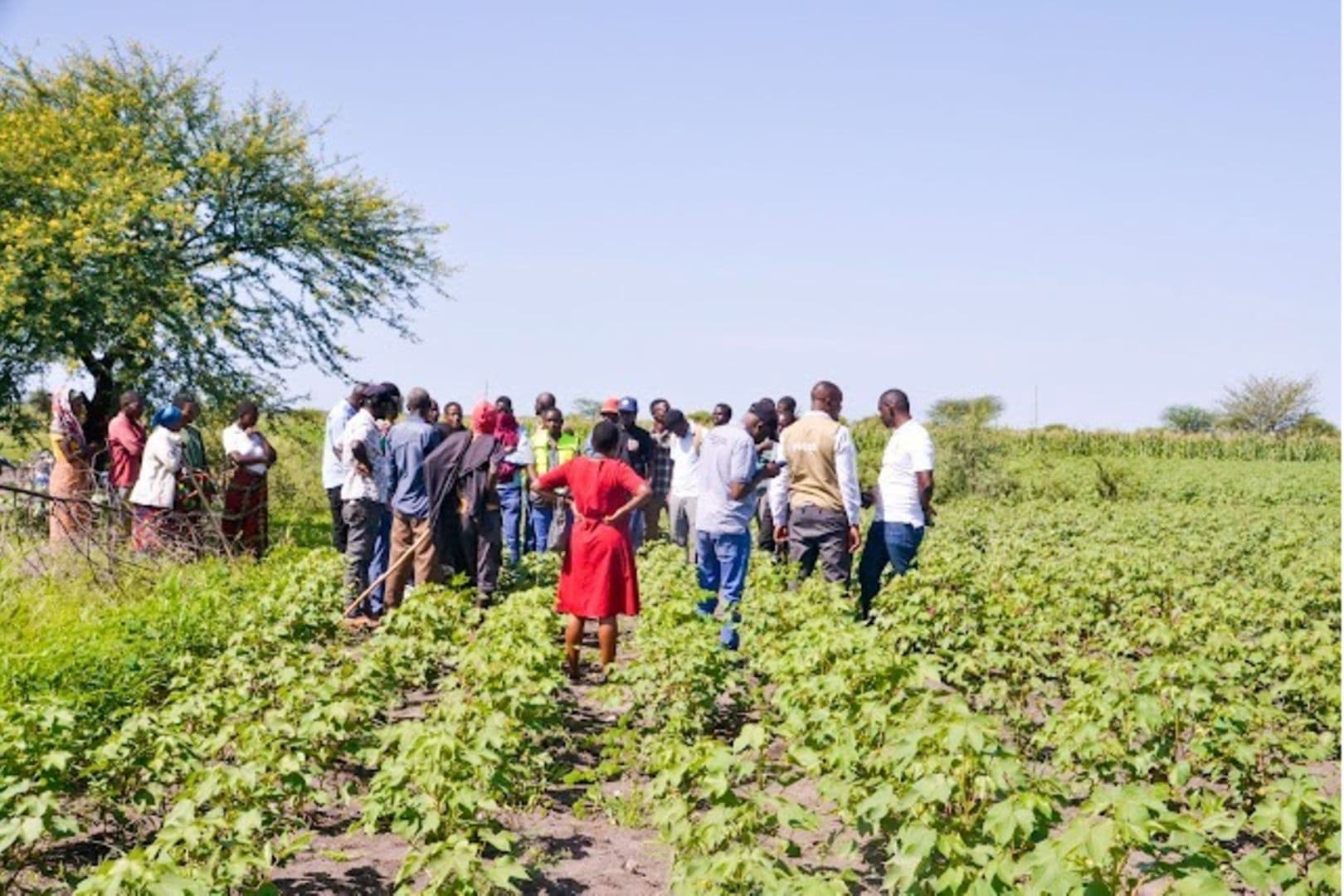
After years of stalled engines, barren pilots, and corruption scandals that turned a flagship dream into a national cautionary tale, the roar of heavy machinery is set to return to the Galana Kulalu Food Security Project.
The government has inked a definitive KSh 40 billion agreement to construct the critical dam component of the scheme, signaling a massive, high-stakes pivot toward irrigation-fed agriculture to insulate Kenyans from drought-driven food inflation.
The deal, signed on Tuesday in Kilifi, brings together a complex mix of financing and engineering might. The contract was sealed by National Irrigation Authority (NIA) CEO Charles Muasya and Du Shan, the Deputy General Manager of China Communications Construction Company (CCCC) Kenya Ltd.
Unlike previous attempts funded solely by the exchequer or single bilateral partners, President William Ruto announced that this phase is a joint investment involving the Chinese contractor, the Government of Kenya, and the United Arab Emirates (UAE). This trilateral arrangement aims to de-risk the project, which has historically suffered from cash-flow interruptions.
The scope of the KSh 40 billion contract is massive. It covers the engineering, construction, and financing of the dam, alongside a sprawling irrigation water conveyance system. According to the NIA, the technical specifications include:
The financing model introduces a new mechanism to the Kenyan infrastructure landscape: the Water Purchase Agreement Framework. While the National Infrastructure Fund will cover the Kenyan government's equity contribution, the return on investment for the partners will be generated through the sale of water.
This commercial approach suggests that the water supplied to the massive commercial farms—including those likely to be operated by UAE-based agribusiness firms—will be paid for, creating a revenue stream intended to prevent the project from becoming a fiscal burden on the taxpayer.
The skepticism surrounding Galana Kulalu is well-earned. Originally launched in 2014 with a vision to cultivate one million acres, the project faced spectacular failures under the initial contractor, Green Arava of Israel. Despite billions spent, the pilot phase yielded poor harvests and stalled completely in 2019 amidst payment disputes and allegations of mismanagement.
This new deal attempts to exorcise those ghosts by shifting the risk to a consortium and focusing on the dam first—solving the water scarcity that doomed the pilot phase.
"This is a bold step in our transition from rain-fed farming to reliable, large-scale irrigation," President Ruto stated following the signing. "By strengthening agricultural productivity, we will stabilise food prices and reduce imports."
Keep the conversation in one place—threads here stay linked to the story and in the forums.
Sign in to start a discussion
Start a conversation about this story and keep it linked here.
Other hot threads
E-sports and Gaming Community in Kenya
Active 9 months ago
The Role of Technology in Modern Agriculture (AgriTech)
Active 9 months ago
Popular Recreational Activities Across Counties
Active 9 months ago
Investing in Youth Sports Development Programs
Active 9 months ago