We're loading the full news article for you. This includes the article content, images, author information, and related articles.
NASA satellite imagery from a historic, catastrophic freezing of the Chesapeake Bay acts as a powerful warning regarding the severe infrastructural dangers of highly volatile global climate shifts.
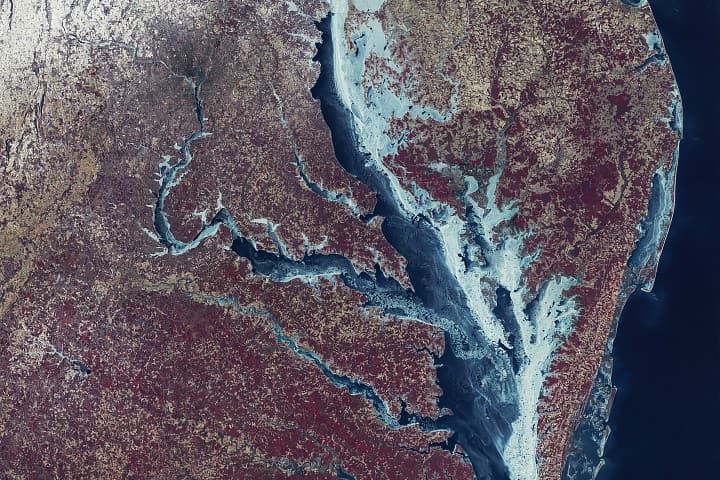
A remarkable, newly released NASA satellite analysis has forcefully highlighted a historic, highly anomalous event: the complete freezing of the massive US Chesapeake Bay nearly fifty years ago. The stark imagery provides critical insights into extreme, unpredictable weather patterns.
For regions like East Africa currently battling catastrophic, unprecedented climate shifts, this historical deep-freeze matters now because it vividly underscores the severe, incredibly destructive capacity of anomalous weather events to completely paralyze vital economic and logistical infrastructure.
During the exceptionally brutal, historically unprecedented winter of 1976-1977, the pioneering Landsat 1 satellite captured incredibly rare, mesmerizing false-color images of the Mid-Atlantic waterways entirely locked in thick, unyielding ice. At its absolute peak, a staggering 85 percent of the massive bay was completely frozen over.
The sophisticated Multispectral Scanner System revealed a completely transformed, alien landscape. Persistent, howling westerly winds aggressively pushed the forming ice toward the eastern shores, creating massive, deeply fractured surfaces and incredibly hazardous, unpredictable maritime conditions.
This severe, highly anomalous deep freeze placed an unimaginable, crushing strain on the entire region. The incredibly heavy, constantly shifting weight of the tidal ice systematically destroyed numerous sturdy piers, commercial marinas, and vital navigational lighthouses, causing millions in devastating structural damage.
The sheer economic toll of this historic freeze was absolute and immediate. The incredibly cold, freezing water temperatures caused massive, unprecedented mortality rates among the region's highly lucrative, vital shellfish populations, devastating the local, deeply entrenched fishing industry for years.
This massive historical event serves as a stark, highly relevant parallel for modern economies globally, including Kenya's highly vulnerable agricultural and coastal sectors. When extreme, unpredicted weather phenomena strike, the cascading, catastrophic failure of local economic ecosystems can be incredibly swift and profoundly devastating.
Whether facing historic, unyielding ice storms in the United States or unprecedented, multi-year catastrophic droughts and subsequent lethal flooding in East Africa, the fundamental vulnerability of human infrastructure to severe climatic anomalies remains a constant, terrifying global reality.
While the recent winter of 2025-2026 saw significantly less extensive, yet still highly disruptive, ice coverage in the Chesapeake region, the modern implications are incredibly clear. The global climate system is demonstrating increasingly erratic, highly volatile, and deeply destructive behavior.
The historical NASA data forcefully reminds global policymakers that extreme, highly destructive environmental anomalies are not entirely unprecedented, but their frequency and severe economic impact are rapidly changing.
Studying these massive, historic climatic events is not merely a fascinating academic exercise; it is an absolute necessity for modern survival. As the global climate continues to dramatically warm, paradoxically driving highly extreme, localized cold and heat events, infrastructure must be radically redesigned.
For nations across the globe, the critical lesson is the absolute necessity of robust, proactive disaster preparedness. Ignoring the clear, incontrovertible historical evidence of nature's destructive power is an incredibly dangerous, ultimately fatal gamble.
We must rapidly utilize all available historical data and advanced satellite technology to aggressively fortify our societies against the inevitable, looming climatic shocks of the future.
"The frozen, fractured waters of the historic Chesapeake Bay stand as a chilling, undeniable monument to nature's terrifying power, demanding that humanity builds with profound respect for an increasingly volatile climate."
Keep the conversation in one place—threads here stay linked to the story and in the forums.
Sign in to start a discussion
Start a conversation about this story and keep it linked here.
Other hot threads
E-sports and Gaming Community in Kenya
Active 9 months ago
The Role of Technology in Modern Agriculture (AgriTech)
Active 9 months ago
Popular Recreational Activities Across Counties
Active 9 months ago
Investing in Youth Sports Development Programs
Active 9 months ago