We're loading the full news article for you. This includes the article content, images, author information, and related articles.
After enduring a devastating 95 per cent crop failure, farmers in Kitui County are cautiously optimistic as early March-April-May rains arrive, prompting an urgent shift towards climate-resilient agriculture.
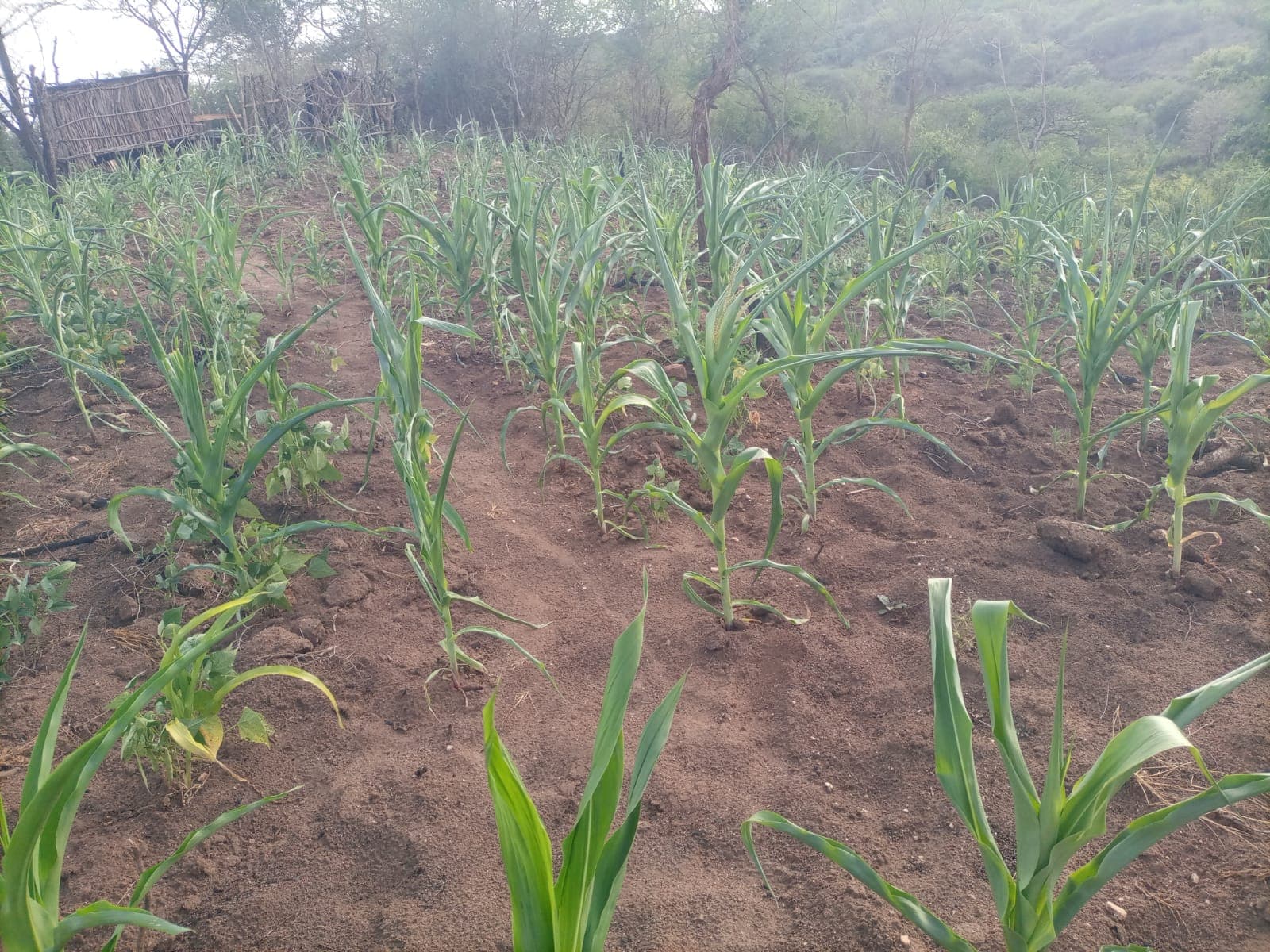
After enduring a devastating 95 per cent crop failure, farmers in Kitui County are cautiously optimistic as early March-April-May rains arrive, prompting an urgent shift towards climate-resilient agriculture to secure East Africa's food future.
The arid landscapes of Kitui County are finally seeing a reprieve, as uncharacteristically early rainfall brings a renewed sense of hope to hundreds of thousands of farmers pushed to the brink of starvation.
This climatic shift is a critical lifeline for an agricultural community battered by consecutive failed seasons. As the rains touch the parched earth, the immediate priority is to mobilize rapid planting strategies that can withstand the erratic nature of global climate change, ensuring that this brief window of moisture translates into a secure harvest.
Kitui has been the epicenter of a brutal agricultural crisis. The complete failure of the 2025 October-November-December (OND) short rains triggered catastrophic consequences across the county's 1.2 million population. The National Drought Management Authority (NDMA) officially classified the region in the "stressed" drought stage.
The statistical reality is grim. Agricultural surveys indicated an estimated 95 per cent general crop failure, with staple maize losses peaking at a staggering 97 per cent. Livestock, lacking adequate pasture and water, faced severe emaciation, further destroying the primary economic safety net for rural households.
With granaries completely depleted, families have been forced into total reliance on volatile commercial markets for sustenance. Consequently, food prices have surged to unprecedented highs, rendering basic commodities unaffordable and sharply driving down household food consumption scores across Mwingi North, Kitui Rural, and Kitui East sub-counties.
The narrative began to shift late February when Daniel Mbithi, the county director of meteorological services, announced that several regions had already recorded rainfall exceeding 20mm. This precipitation definitively signals the onset of the crucial March-April-May (MAM) long rains.
However, Mbithi issued a stark caveat alongside the good news. Forecasts suggest the total seasonal rainfall will range from below normal to near normal, with a high probability of mid-March dry spells that could induce severe moisture stress in developing crops.
The immediate directive from agricultural authorities is clear: farmers must abandon slow-maturing crops and immediately utilize the existing soil moisture to plant fast-maturing, drought-tolerant varieties such as sorghum, millet, and green grams.
The current crisis has violently underscored the need for a total paradigm shift in East African farming practices. Traditional reliance on rain-fed maize is no longer tenable in arid and semi-arid lands (ASALs).
Organizations like Adra Kenya have been aggressively promoting "Nature Positive Food System" initiatives within Kitui. These programs train farmers in advanced conservation agriculture, built on three central pillars: minimum tillage via ripping, enhanced soil cover through organic mulching, and strategic crop rotation.
Furthermore, the implementation of Zai pits—specialized micro-catchments dug before the planting season and filled with organic matter to retain water and attract beneficial insects—has proven highly effective. Farmers utilizing these specific techniques reported successful harvests even during the disastrous OND season, proving that intelligent water management can effectively neutralize climate volatility.
The county government has scrambled to implement mitigation measures, but the ultimate success of this season rests in the hands of individual farmers and their ability to adapt rapidly. The early rains offer a fragile, fleeting opportunity to reverse the trajectory of famine.
As tractors and hand-hoes strike the wet soil across Kitui, the broader economic stability of the region hangs in the balance. The integration of scientific weather forecasting with localized regenerative farming is the only sustainable path forward.
"We must capitalize on every single drop; this is not merely a planting season, it is an emergency recovery operation for our absolute survival," stated an agricultural extension officer on the ground.
Keep the conversation in one place—threads here stay linked to the story and in the forums.
Sign in to start a discussion
Start a conversation about this story and keep it linked here.
Other hot threads
E-sports and Gaming Community in Kenya
Active 9 months ago
The Role of Technology in Modern Agriculture (AgriTech)
Active 9 months ago
Popular Recreational Activities Across Counties
Active 9 months ago
Investing in Youth Sports Development Programs
Active 9 months ago