We're loading the full news article for you. This includes the article content, images, author information, and related articles.
The global energy market faces its gravest threat in decades as the Strait of Hormuz remains shut, with IEA warnings signaling profound economic peril.

Petroleum prices surged beyond $100 per barrel early Monday morning as the geopolitical standoff over the Strait of Hormuz hardened, triggering stark warnings from international energy regulators that the current crisis may eclipse the systemic shocks of the 1970s. As military rhetoric between Washington and Tehran escalates to a breaking point, the global economy faces a supply disruption of unprecedented scale.
The closure of the world's most critical maritime energy artery has paralyzed an estimated 11 million barrels of daily supply, threatening to starve industrial economies of both fuel and essential petrochemicals. For the East African region, including Kenya, the ramifications are immediate and severe: the sudden inflation of global oil benchmarks is expected to translate into soaring domestic pump prices, increased transport costs for agricultural produce, and a precarious outlook for fertilizer availability as the planting season approaches.
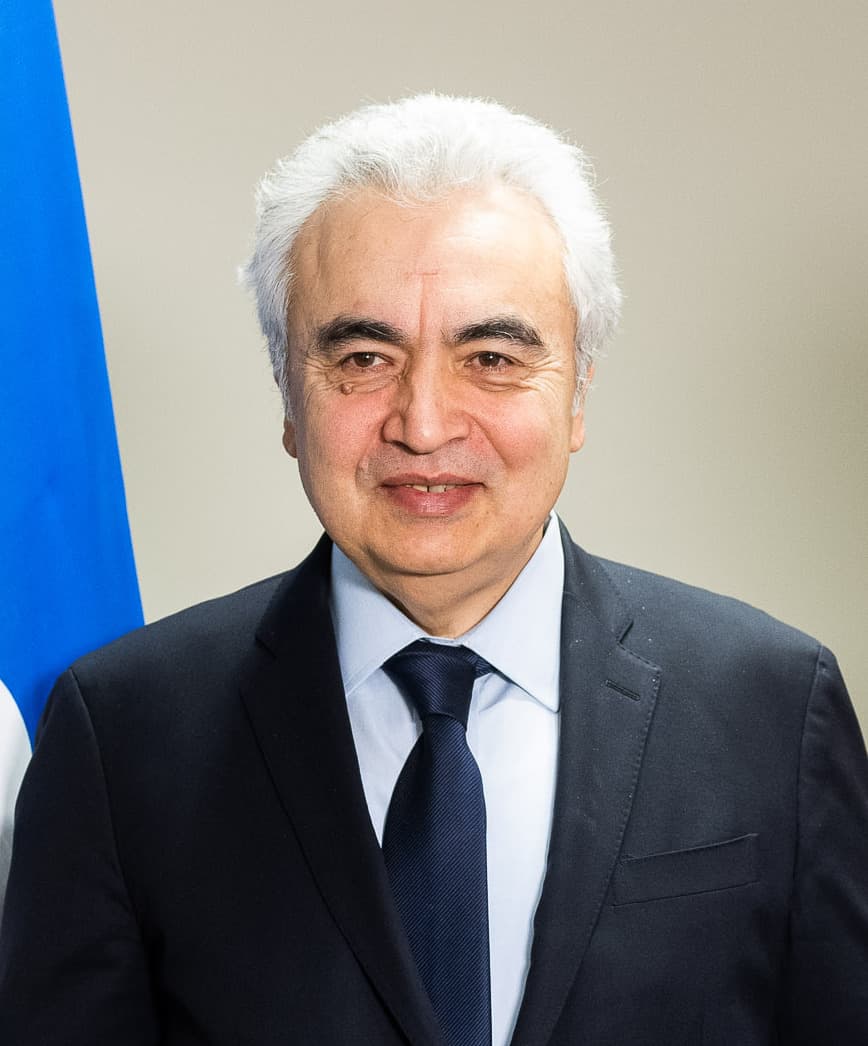
Fatih Birol, the executive director of the International Energy Agency, issued a dire assessment late last week, urging the public to comprehend the magnitude of the problem. Addressing the Australian National Press Club, Birol compared the current disruption to the twin oil crises of 1973 and 1979, as well as the gas market volatility precipitated by the Russian invasion of Ukraine. According to the IEA, the combined losses of those historical shocks—approximately 10 million barrels per day—have been surpassed by the current conflict, which has taken 11 million barrels per day off the market.
The impact extends far beyond crude oil. The IEA reports that the crisis has also caused a loss of approximately 140 billion cubic meters (BCM) of gas, doubling the 75 BCM loss experienced following the disruption of European gas supplies in previous years. Experts at the agency warn that these shortages are rippling through vital arteries of the global economy, specifically choking the supply of petrochemicals and agricultural fertilizers, which serve as the backbone of global food security.
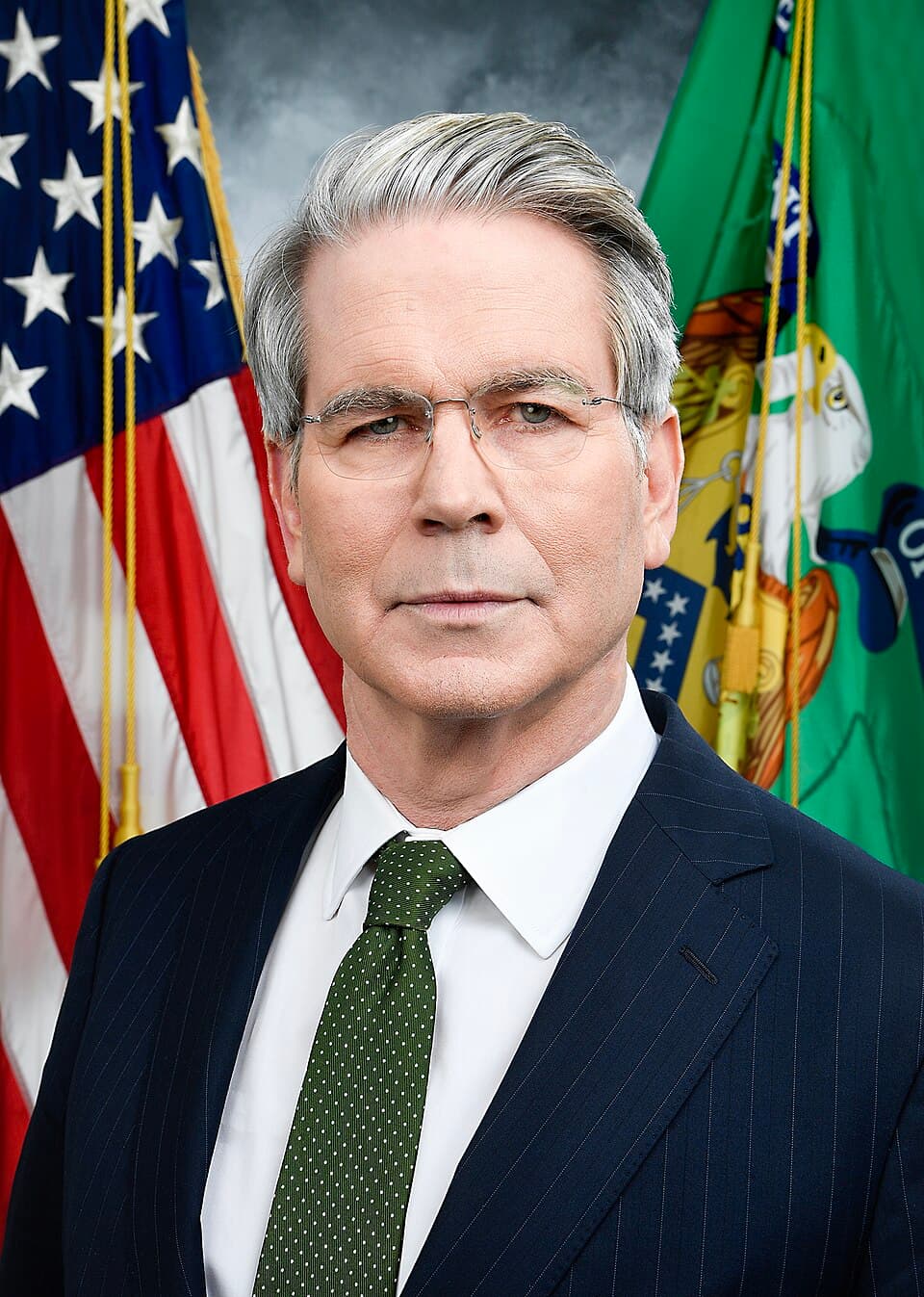
The geopolitical tension reached a crescendo following a 48-hour ultimatum issued by US President Donald Trump, who threatened to obliterate Iranian power infrastructure should the Strait of Hormuz remain closed. While British Prime Minister Keir Starmer and President Trump have discussed the essential nature of securing the waterway, the diplomatic strategy appears to lean heavily on military posturing. Scott Bessent, the United States Treasury Secretary, defended the administration's approach on American television, arguing that escalation and de-escalation are not mutually exclusive, essentially positing that higher-intensity conflict is a necessary prerequisite to securing peace.
This doctrine of "escalating to de-escalate" faces skepticism from international policy analysts. Economists warn that while the US government may have the fiscal capacity to fund a sustained military campaign, the inflationary consequences for developing nations are immense. Countries like Kenya, which are net importers of refined petroleum products, are particularly vulnerable to the "second-round" effects of this oil shock. When transport costs rise, the price of every item—from maize flour in Nairobi to construction materials in Mombasa—inevitably follows.
Beyond the abstractions of global macroeconomics, the crisis is unfolding with visceral intensity in the Levant. Data from the Lebanese health ministry, corroborated by international observers, highlights the human cost of the ongoing Israeli-Hezbollah fighting. The toll of 1,024 lives lost—a figure that has risen steadily over the weekend—serves as a grim reminder that behind the fluctuating price charts and the diplomatic cables, the primary currency of this conflict is human life.
For Kenyan businesses, the immediate concern is not merely the price of fuel but the volatility of the global supply chain. Logistics firms operating in East Africa have reported that shipping insurance premiums are beginning to climb as insurers reassess risk in the Indian Ocean and the Red Sea. If the Strait of Hormuz remains obstructed, the knock-on effects could force a restructuring of regional import strategies, potentially leading to prolonged supply delays for critical manufacturing components.
History suggests that energy shocks of this magnitude rarely resolve without systemic shifts in national energy policies. In the 1970s, the oil crises accelerated the transition toward energy efficiency and the exploration of alternative energy sources. Analysts at leading global research institutes suggest that the current crisis may force a similar, albeit more urgent, pivot. For a nation like Kenya, which is already investing heavily in geothermal and renewable energy, this underscores the strategic necessity of energy independence.
As the 48-hour deadline passes and the markets continue to digest the implications of a prolonged blockade, the global community remains in a state of high alert. Whether the current military strategy successfully forces a reopening of the strait remains the defining question of the week. However, as policymakers in Washington and Tehran exchange threats, the real-world impact is being felt in every household facing the prospect of higher electricity bills and a more expensive cost of living. The world waits to see if diplomacy can reclaim the narrative before the economic damage becomes irreversible.
Keep the conversation in one place—threads here stay linked to the story and in the forums.
Sign in to start a discussion
Start a conversation about this story and keep it linked here.
Other hot threads
E-sports and Gaming Community in Kenya
Active 10 months ago
The Role of Technology in Modern Agriculture (AgriTech)
Active 10 months ago
Popular Recreational Activities Across Counties
Active 10 months ago
Investing in Youth Sports Development Programs
Active 10 months ago
Key figures and persons of interest featured in this article