We're loading the full news article for you. This includes the article content, images, author information, and related articles.
Torrential rains are flooding makeshift camps, killing at least 12 and plunging hundreds of thousands of displaced families into a desperate new struggle against hypothermia and disease, UN agencies warn.
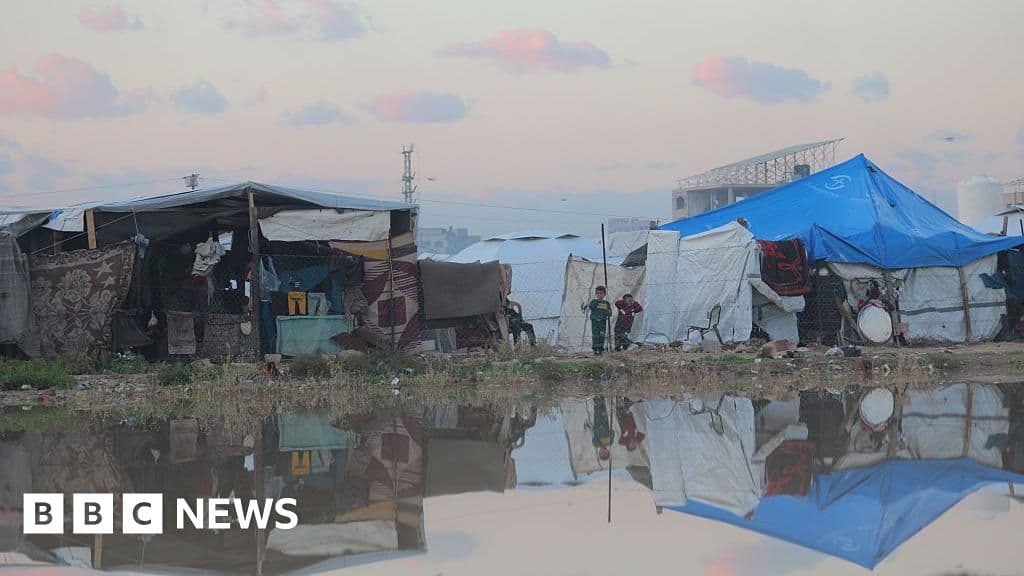
Winter's fury has descended on Gaza, as torrential rains flood makeshift camps and turn fragile shelters into death traps. At least 12 people, including a two-week-old baby who died from hypothermia, have been killed as the severe weather causes already damaged buildings to collapse and swamps flimsy tents.
This latest crisis compounds the catastrophic humanitarian situation for nearly 1.5 million displaced people, nine weeks into a fragile ceasefire. United Nations agencies on the ground are sounding the alarm, warning that freezing temperatures and flooded, sewage-contaminated living areas create a perfect storm for the rapid spread of disease.
The conditions on the ground are “horrendous,” noted Jonathan Crickx, a UNICEF spokesperson in Palestine. He described seeing barefoot children with their clothes and mattresses completely soaked, and tents being uprooted by strong winds. “It's extremely difficult to live in those conditions,” Crickx emphasized, highlighting the grave risk of hypothermia and waterborne diseases.
The scale of the disaster is staggering, with recent UN reports indicating:
For many Kenyans, these scenes of devastation are tragically familiar, echoing the recent battles against El Niño-fueled floods that swept through communities across our nation. While the contexts differ, the human cost of extreme weather—lost homes, livelihoods, and the constant threat to children's health—is a shared reality.
Humanitarian partners are scrambling to respond, distributing tents, blankets, and winter clothing, but they warn that the aid getting in is a drop in the ocean compared to the immense need. Aid agencies have stressed that materials needed to properly reinforce shelters, such as timber and plywood, have been delayed from entering Gaza. This bottleneck is turning a natural disaster into a man-made catastrophe.
The crisis has prompted renewed calls from Kenyan leaders for greater international action. President William Ruto recently told the UN General Assembly that Kenya is “gravely concerned by the humanitarian catastrophe in Gaza,” urging adherence to international law and warning against double standards in the treatment of human suffering.
As aid agencies race against time and the elements, the plea from a displaced father, Mohammed Gharableh, captures the terror of every storm. “When we hear the news that there is a storm, our whole lives change,” he said. “We start thinking about where to stay... and where to keep our children safe and warm.”
Keep the conversation in one place—threads here stay linked to the story and in the forums.
Sign in to start a discussion
Start a conversation about this story and keep it linked here.
Other hot threads
E-sports and Gaming Community in Kenya
Active 9 months ago
The Role of Technology in Modern Agriculture (AgriTech)
Active 9 months ago
Popular Recreational Activities Across Counties
Active 9 months ago
Investing in Youth Sports Development Programs
Active 9 months ago