We're loading the full news article for you. This includes the article content, images, author information, and related articles.
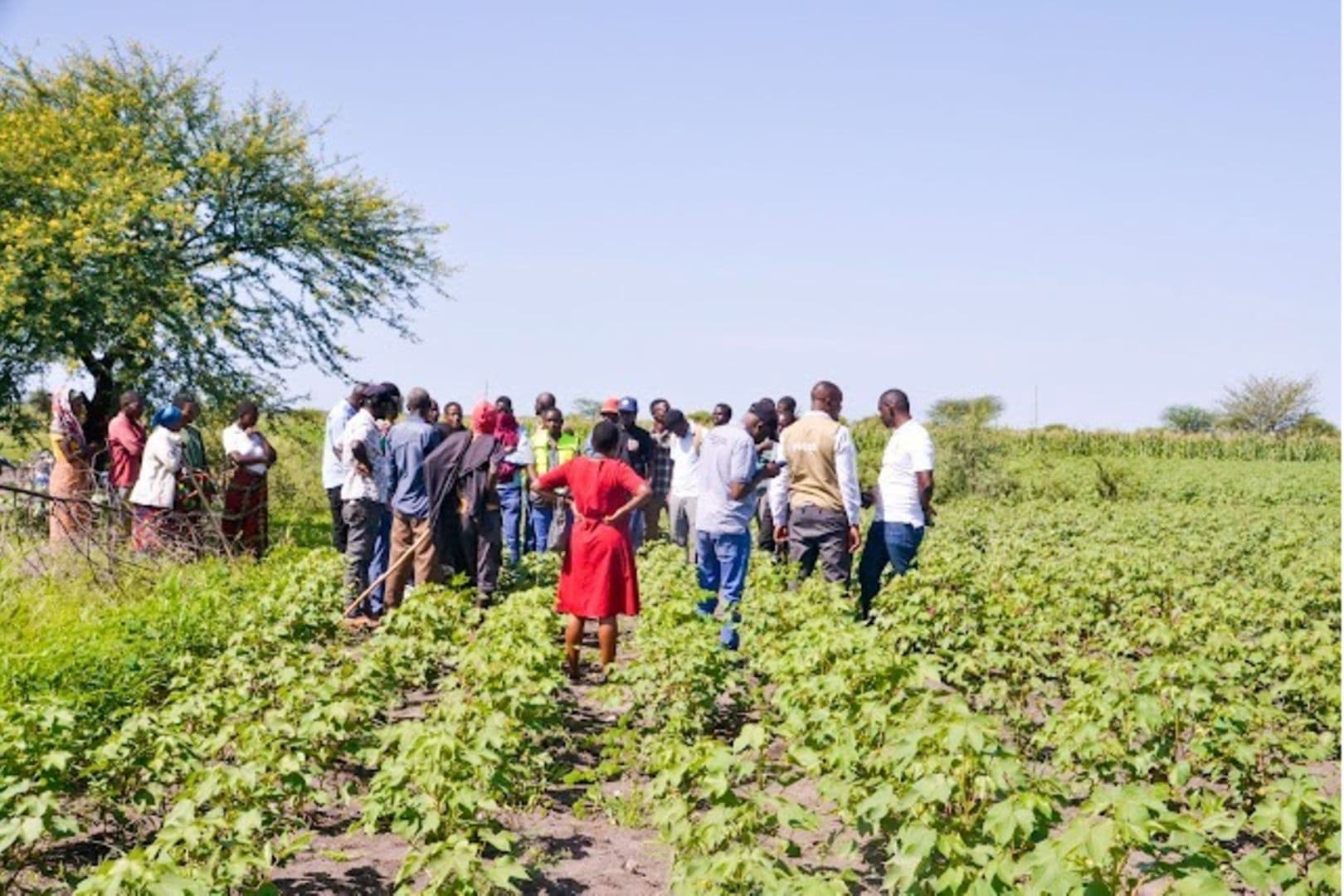
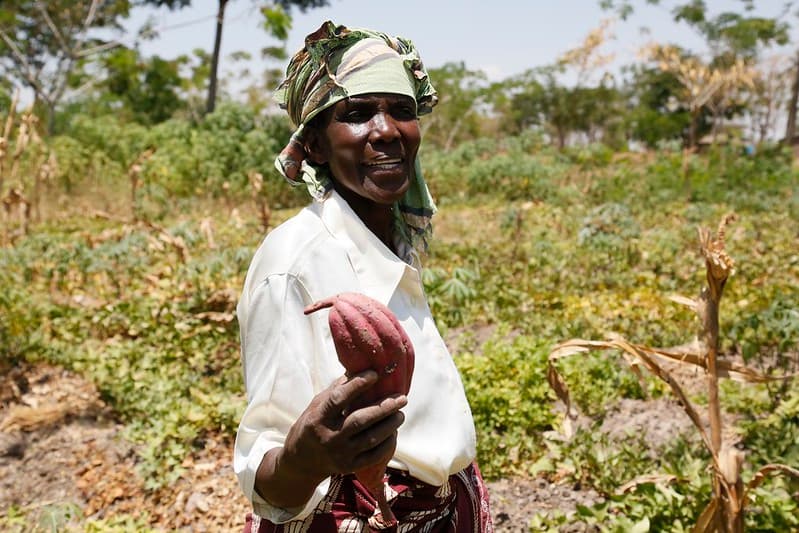
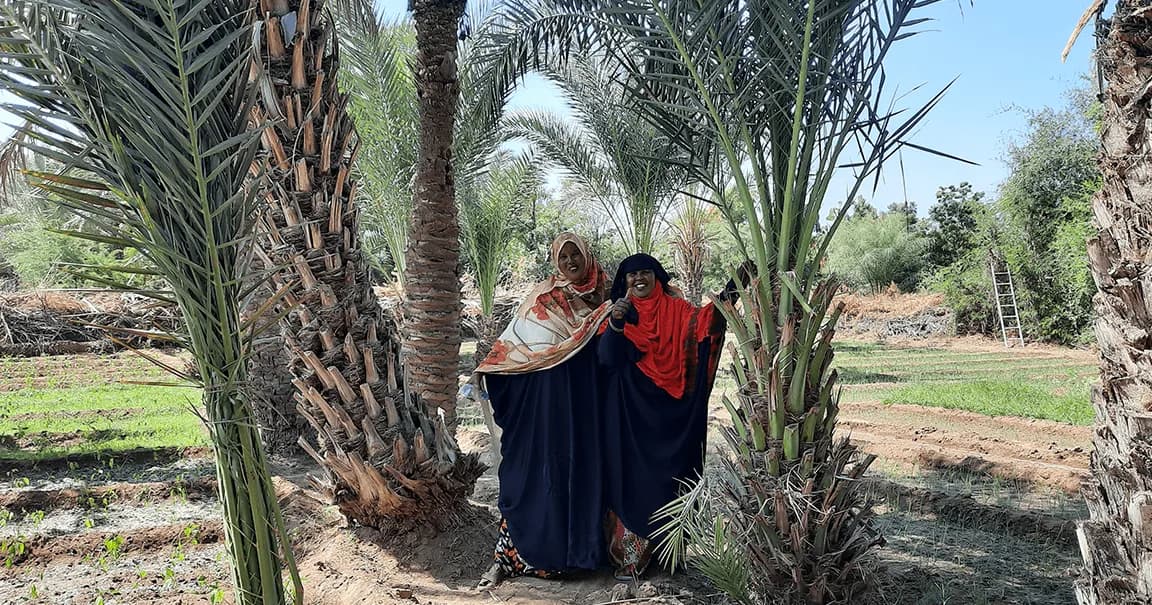
Frustrated by exorbitant interest rates and stringent collateral demands, Kenyan agriculturalists are increasingly turning to informal lending networks of family and friends to finance their harvests.
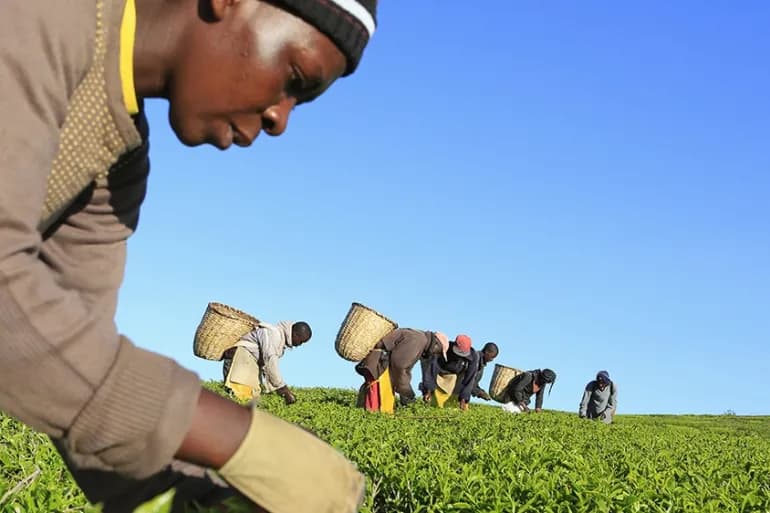
Frustrated by exorbitant interest rates and stringent collateral demands, Kenyan agriculturalists are increasingly turning to informal lending networks of family and friends to finance their harvests.
The backbone of the Kenyan economy—its vast agricultural sector—is undergoing a silent, desperate revolution in how it secures vital operational funding.
According to recent economic data, informal lending networks consisting of family, friends, and community chamas have officially surpassed formal commercial banks as the primary source of credit for Kenyan farmers. This monumental shift is a damning indictment of the formal financial sector's complete failure to support the nation's food producers. Facing punishing Central Bank of Kenya (CBK) interest rates, impossible collateral requirements (such as title deeds that many rural farmers simply do not possess), and a general institutional aversion to agricultural risk, farmers have been systematically frozen out of formal credit markets. Instead, they are relying on the powerful, age-old currency of social capital. While this highlights the incredible resilience and communal solidarity of the Kenyan people, it also exposes a fragile, severely undercapitalized agricultural ecosystem that directly threatens national food security.
Commercial banks in Kenya have long viewed agriculture as a high-risk, low-reward venture. The unpredictability of weather patterns, exacerbated by climate change, combined with volatile market prices, makes lending to a maize or dairy farmer a risky proposition on a spreadsheet. Consequently, banks demand exorbitant risk premiums, pushing interest rates well beyond 20% in some cases. Furthermore, the bureaucratic hurdles and demand for hard assets as collateral automatically disqualify the vast majority of smallholder farmers. Even highly touted government interventions, such as the Hustler Fund, offer loan limits that are drastically insufficient to cover the massive costs of modern agricultural inputs like fertilizer, quality seeds, and mechanized equipment. This hostile financial environment has left the farmer with literally nowhere else to turn but inward.
In the glaring absence of bank support, the extended family and community networks have stepped into the massive void. Relatives in urban centers or the diaspora are frequently pooling resources to send capital back to the village for planting season. Local chamas (micro-savings groups) have pivoted from purely domestic welfare to funding serious agribusiness ventures. This informal lending is driven by trust, mutual obligation, and shared risk, completely bypassing the rigid algorithms of bank credit scores. If a crop fails due to drought, a family member is far more likely to offer a grace period than a commercial bank threatening immediate asset auction. This flexibility is the absolute lifeline keeping Kenyan agriculture afloat amidst turbulent economic tides.
While the reliance on family is a beautiful testament to Kenyan solidarity, it is economically unsustainable for long-term national growth. Informal networks have a very hard ceiling on the amount of capital they can realistically raise. A family might pool enough money to buy fertilizer for two acres, but they cannot finance the expensive irrigation systems or cold-storage facilities required to modernize the sector and drastically increase yields. This chronic undercapitalization traps farmers in vicious cycles of low-productivity, subsistence agriculture. As the population continues to explode, this lack of heavy investment directly threatens Kenya’s ability to feed itself, leading to an increased, dangerous reliance on expensive food imports.
The government and the central banking authority must urgently acknowledge this massive market failure. Specialized agricultural banks, state-backed crop insurance schemes to de-risk commercial lending, and subsidized credit lines are desperately needed to lure formal money back into the soil. "A nation that forces its farmers to beg from their neighbors to plant a seed is a nation actively courting starvation," an agricultural economist grimly observed, calling for an immediate, radical overhaul of how Kenya finances its vital food production.
Keep the conversation in one place—threads here stay linked to the story and in the forums.
Sign in to start a discussion
Start a conversation about this story and keep it linked here.
Other hot threads
E-sports and Gaming Community in Kenya
Active 9 months ago
The Role of Technology in Modern Agriculture (AgriTech)
Active 9 months ago
Popular Recreational Activities Across Counties
Active 9 months ago
Investing in Youth Sports Development Programs
Active 9 months ago