We're loading the full news article for you. This includes the article content, images, author information, and related articles.
The National Treasury has declared war on the unethical practices of digital lenders, introducing aggressive new regulations designed to shield Kenyan borrowers from extortionate interest rates and public humiliation.
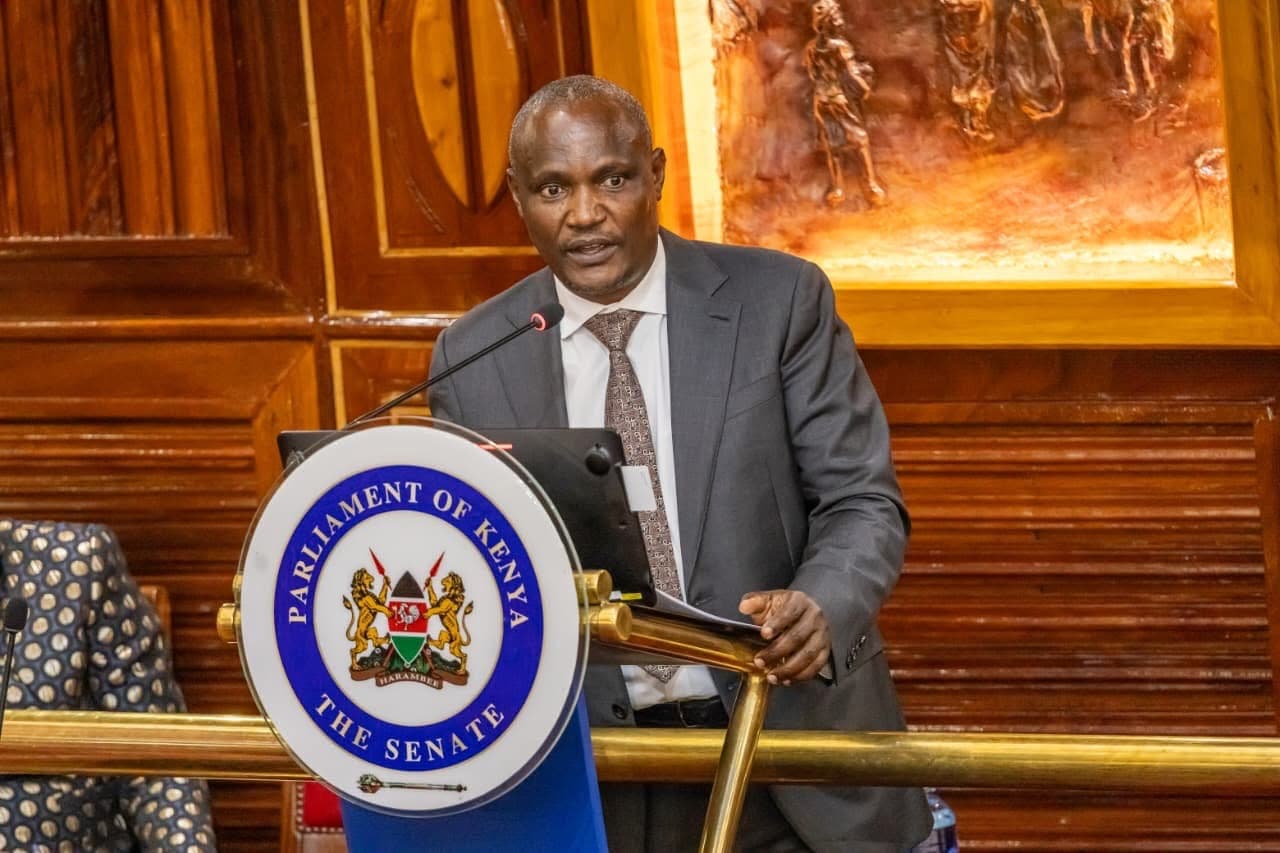
The era of rogue digital lending applications terrorizing citizens with debt-shaming text messages and exorbitant fees is facing an abrupt end. Treasury Cabinet Secretary John Mbadi has unveiled a comprehensive regulatory framework aimed at restoring dignity and fairness to the micro-credit sector.
This decisive intervention by the government, spearheaded by the Central Bank of Kenya and the Data Protection Commissioner, marks a critical turning point in consumer protection. By enforcing strict licensing and data privacy rules, the state is attempting to balance the need for financial inclusion with the imperative to dismantle predatory lending models that have devastated countless households across East Africa.
For years, the rapidly expanding digital credit market in Kenya operated in a largely unregulated gray area, allowing unscrupulous operators to exploit vulnerable populations. These non-deposit taking credit providers utilized aggressive, often illegal, tactics to ensure repayment, transforming minor financial shortfalls into devastating personal crises for the borrowers. The introduction of stringent new oversight mechanisms signals the government's absolute commitment to eradicating these abusive practices. National Treasury and Economic Planning Cabinet Secretary John Mbadi recently addressed the Senate, detailing the administration's aggressive offensive against what he explicitly termed "rogue lenders."
Responding directly to pressing inquiries from Kisumu Senator Tom Ojienda, CS Mbadi provided a comprehensive overview of the new regulatory landscape. He revealed that the government has now firmly mandated that all digital credit providers must secure formal operational licenses under a rigorous framework overseen by the Central Bank of Kenya (CBK). This pivotal move is specifically engineered to standardize corporate governance structures, establish transparent operational rules, and, most critically, guarantee robust consumer protection standards that have long been absent from the sector.
Perhaps the most insidious tactic employed by predatory digital lenders was the practice of "debt-shaming." When borrowers defaulted or delayed payments, these applications would illegally harvest the contact lists from the users' mobile devices. They would then dispatch threatening and highly defamatory messages to the borrowers' family members, employers, and casual acquaintances, causing immense public humiliation and psychological trauma. This blatant violation of privacy led to catastrophic social consequences, including job losses, broken marriages, and tragically, a documented rise in severe depression and self-harm among victims.
To definitively crush this unethical methodology, the new enforcement strategy hinges on a powerful strategic partnership between the Central Bank of Kenya and the Office of the Data Protection Commissioner (ODPC). Under the revised legal requirements, it is now practically impossible for a digital lender to operate legally without producing a valid compliance certificate from the ODPC. These companies are now legally compelled to implement and rigorously maintain exceedingly strong data protection policies.
The new licensing framework fundamentally alters the operational dynamics of the micro-lending industry. Lenders are now forced into absolute transparency regarding precisely how personal data is collected, securely stored, and utilized. Any unauthorized access to a borrower's contact list or private communications is strictly prohibited and carries severe punitive consequences. Furthermore, the Central Bank is actively monitoring the interest rates applied by these platforms, aiming to curb the historically extortionate annual percentage rates that effectively trapped borrowers in endless cycles of insurmountable debt.
CS Mbadi also provided a revealing statistical snapshot of Kenya's evolving credit landscape. By the conclusion of the 2025 financial year, the government's regulatory umbrella successfully spanned hundreds of diverse financial institutions. While traditional, brick-and-mortar commercial banks continue to dominate the high-value lending market, digital platforms and microfinance institutions remain absolutely vital for millions of low-income citizens and informal sector entrepreneurs. The government's ultimate objective is not to destroy the digital lending sector, which provides crucial liquidity to the grassroots economy, but rather to sanitize it. By enforcing these stringent rules, the National Treasury aims to foster a healthy, competitive, and highly ethical financial ecosystem that protects the vulnerable while supporting sustainable national economic development.
Keep the conversation in one place—threads here stay linked to the story and in the forums.
Sign in to start a discussion
Start a conversation about this story and keep it linked here.
Other hot threads
E-sports and Gaming Community in Kenya
Active 9 months ago
The Role of Technology in Modern Agriculture (AgriTech)
Active 9 months ago
Popular Recreational Activities Across Counties
Active 9 months ago
Investing in Youth Sports Development Programs
Active 9 months ago
Key figures and persons of interest featured in this article