We're loading the full news article for you. This includes the article content, images, author information, and related articles.
The reclusive Horn of Africa nation slams the door on the regional bloc just two years after returning, leaving diplomats in Nairobi scrambling to salvage regional unity.

Eritrea has once again pulled the plug on its membership in the Intergovernmental Authority on Development (IGAD), dealing a stunning blow to regional integration efforts in the volatile Horn of Africa.
The withdrawal, confirmed late Friday by Asmara, isolates the Red Sea nation politically but raises urgent questions about the bloc's ability to mediate escalating conflicts in Sudan and Ethiopia. For Kenya, a diplomatic anchor in the region, this fracture complicates trade and security protocols along the northern corridor.
In a terse statement issued by the Ministry of Information, Eritrea’s government did not mince words. It described the eight-member bloc as an organization that has "forfeited its legal mandate," arguing that continued membership offered "no discernible strategic benefit" to the Eritrean people.
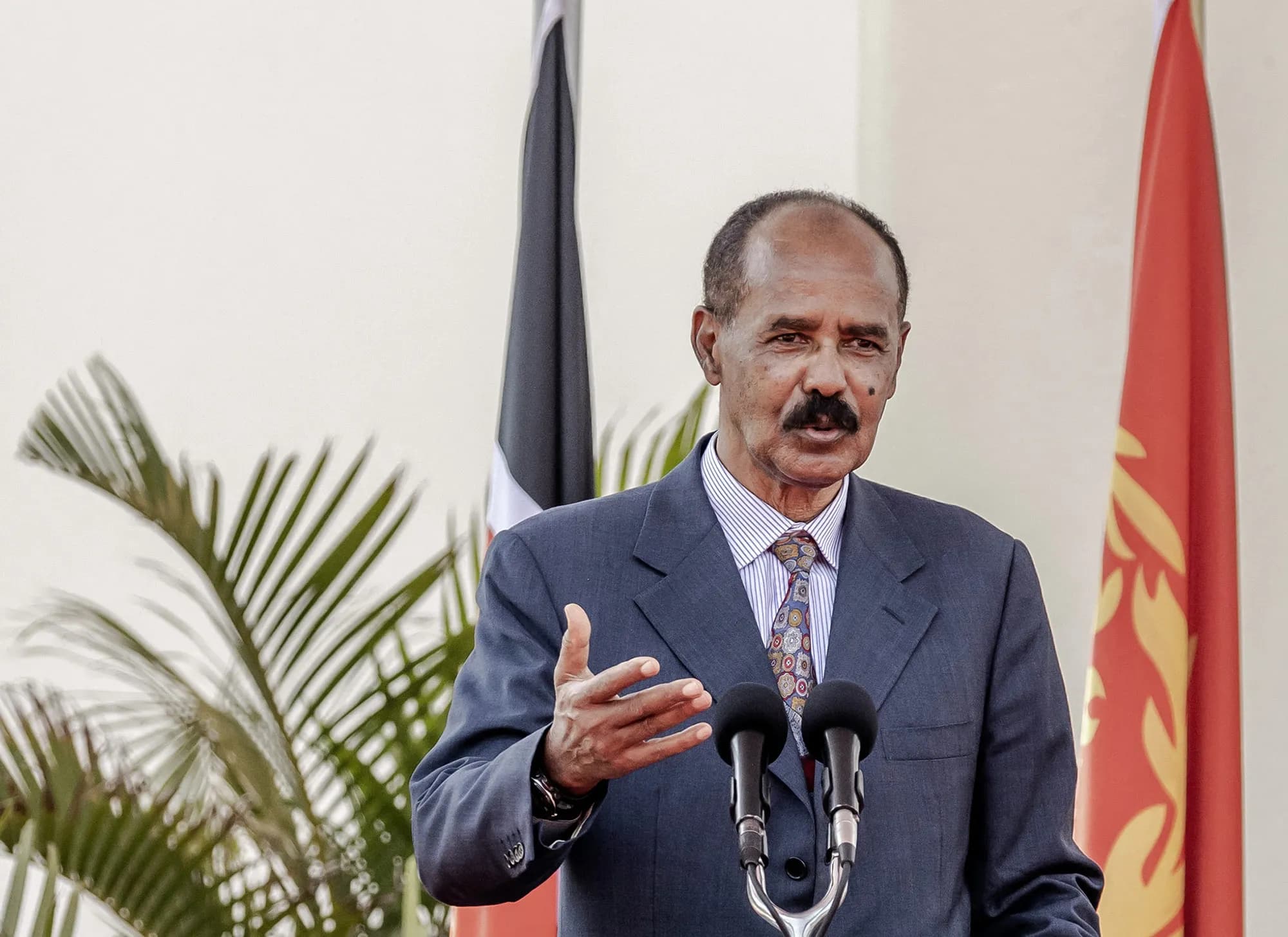
"IGAD has failed to meet the aspirations of the region," the statement read, echoing the same frustrations that led President Isaias Afwerki to pull his country out of the body in 2007. Sources in Nairobi suggest the decision was triggered by what Asmara views as the bloc's bias in handling the ongoing crisis in Sudan, where IGAD's mediation efforts have frequently stalled.
This exit marks a dizzying diplomatic U-turn. Eritrea had only just rejoined IGAD in June 2023, a move that was hailed at the time by Executive Secretary Workneh Gebeyehu as a "decisive step towards regional peace." That optimism has now evaporated.
"It is a revolving door policy that makes long-term planning impossible," notes Dr. Hassan Kinyua, a regional security analyst based in Nairobi. "Just as we thought the Horn was coalescing into a unified economic bloc, Asmara has reminded us that it prefers to walk alone."
For the average Kenyan, diplomatic spats in Asmara might feel distant, but the ripple effects are local. IGAD is the primary vehicle for managing drought responses and cross-border security. A fractured IGAD means a weaker response to the instability that sends refugees streaming into Kakuma and Dadaab.
While direct trade between Kenya and Eritrea remains modest—hovering around $3.4 million (approx. KES 440 million) annually—the diplomatic cost is far higher. Kenya has invested heavily in positioning itself as the region's peacemaker. Eritrea's exit undermines President William Ruto's push for a borderless East Africa and complicates the security architecture needed to contain Al-Shabaab and other insurgent groups.
IGAD officials in Djibouti expressed "deep regret" over the decision. In a communiqué released Saturday morning, the Secretariat emphasized that it would "continue engaging Asmara to reconsider," stressing that the challenges facing the Horn—from climate change to civil war—require collective action, not isolation.
However, with Asmara's history of stubborn independence, few analysts expect a quick return. As the bloc prepares for its next emergency summit, the empty seat at the table will serve as a stark reminder of the region's fragile unity.
"You cannot integrate a region if its most strategic coastal player refuses to play the game," Dr. Kinyua warned. "This isn't just an exit; it's a vote of no confidence in the entire East African project."
Keep the conversation in one place—threads here stay linked to the story and in the forums.
Sign in to start a discussion
Start a conversation about this story and keep it linked here.
Other hot threads
E-sports and Gaming Community in Kenya
Active 10 months ago
The Role of Technology in Modern Agriculture (AgriTech)
Active 10 months ago
Popular Recreational Activities Across Counties
Active 10 months ago
Investing in Youth Sports Development Programs
Active 10 months ago
Key figures and persons of interest featured in this article