Trully Kenyan is a bold and unapologetic voice rooted deeply in the Kenyan experience — a citizen chronicler, social critic, and storyteller dedicated to unearthing the truths that shape Kenya’s political, cultural, and economic fabric.
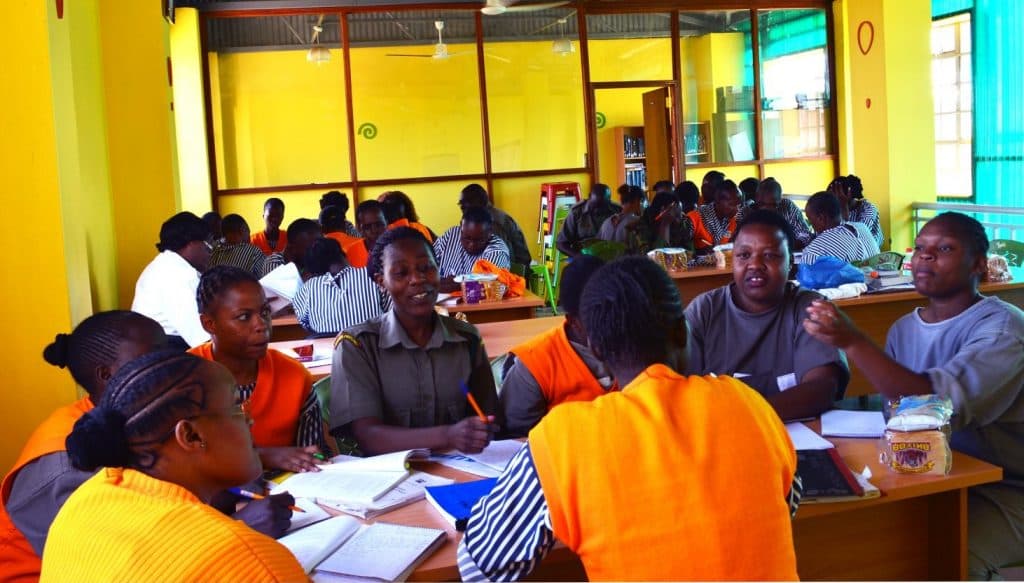
For real equity, Kenya must institutionalize mobile legal clinics, empower customary systems, and invest in county-level court infrastructure and digital tools. Without this, constitutional rights will stay tangible only when the clinic van shows up.
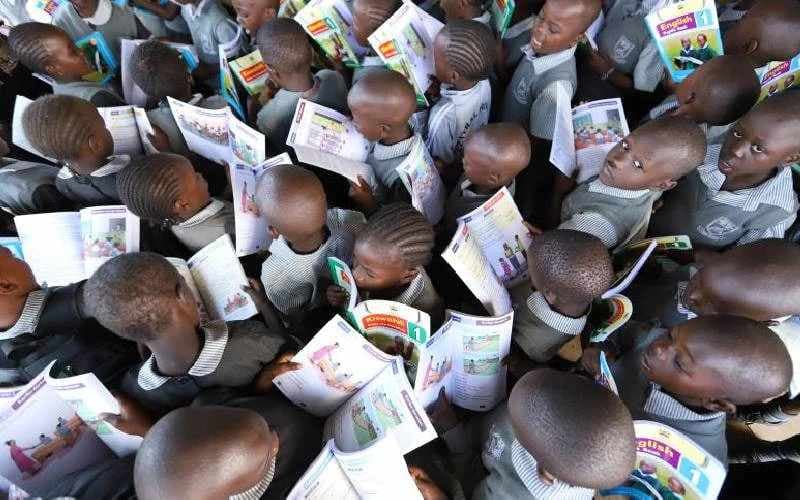
o sustain the progress toward Universal Basic Education, Kenya must couple access policies with targeted interventions that address poverty, climate stress, and social pressures—ensuring quality, equity, and retention for every child.
Kenya’s land governance is at a crossroads. While constitutional reforms enshrine community land rights and call for public participation, implementation gaps persist.
while national transport corridors reshape Kenya’s connectivity landscape, rural realities remain deeply uneven. Without strategic investment in local access, the road network’s promise risks remaining out of reach for millions in Kenya’s hinterlands.
Kenya’s judiciary is at a critical juncture—marked by chronic backlogs, budgetary constraints, and fragile public trust. While reforms like digitization, multi-agency anti-corruption efforts, and specialized courts show promise, the system remains overstretched.
Kenya’s CBC holds promise as a forward‑looking education model, but its system-wide rollout is threatened by underfunding, teacher shortages, and infrastructure gaps.
Kenya’s SHIF rollout marks a bold leap toward equitable, universal healthcare—replacing NHIF with a fair income-based scheme and vastly expanding benefits. Despite legal hurdles and operational hurdles—especially integrating informal workers and ensuring full public participation
As of July 2025, nearly one-third of Kenyan households lack access to safe water. With 23 counties at high risk due to poor rains and drying aquifers, the NDMA warns of a deepening national water emergency.
As of 2025, Kenya’s digital transformation shows major strides in mobile broadband, 5G, and smartphone adoption—but rural areas still face gaps in internet access, affordability, and infrastructure
Kenya’s healthcare system has endured repeated strikes since early 2024, driven by systemic failures in compensation, staffing, and working conditions.
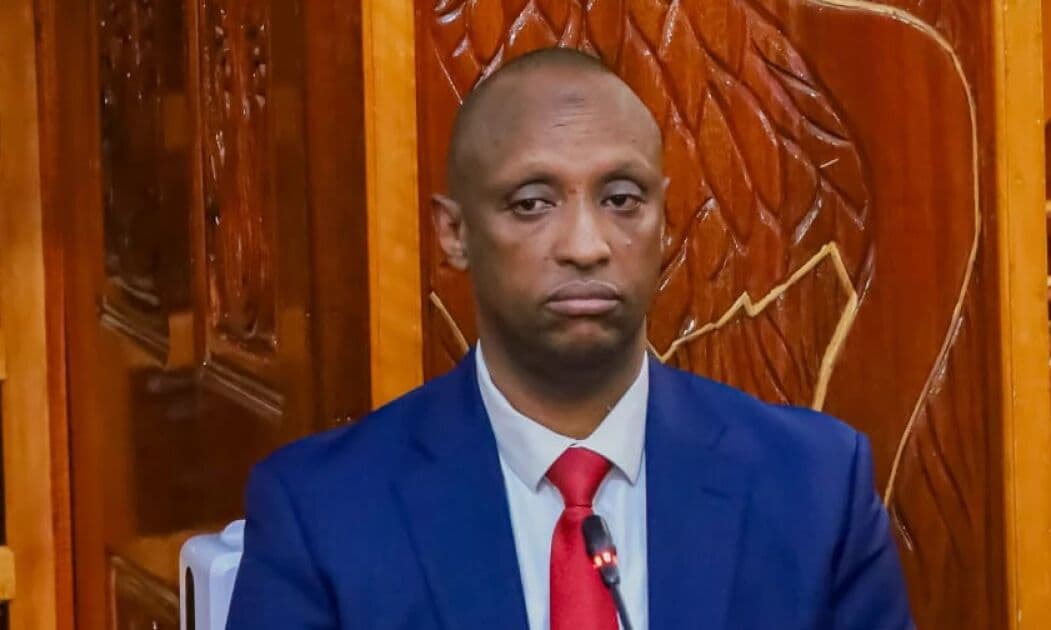
The impeachment proceedings against Isiolo Governor Abdi Guyo have gripped national attention, not just for their political drama but for what they reveal about the evolving architecture of devolution, accountability, and the enduring undercurrents of political warfare in Kenya.
The Africa Climate Resilience Summit showcased Kenya’s readiness to lead continentally. Now, the mandate is clear—for climate commitments to evolve beyond declarations
Kenya’s fertilizer depot looting exposes deep flaws in agricultural policy and food security planning. With climate pressures mounting and rural anger rising, reforms must shift toward decentralized, climate-smart, and transparent systems that rebuild trust and resilience.
Kenya’s youth movement is using music, art, and memes as tools of resistance. From protest anthems to viral satire, Gen Z is building a culture of defiance that redefines political expression in the digital age.
As Kenya’s fuel prices soared in 2024 and 2025 due to global shocks and local austerity policies, public frustration boiled over into mass protests. This article examines how energy costs became a flashpoint in the broader struggle for economic justice.
Kenyan women are leading, organizing, and shaping the nation’s protest and justice movement. From the streets to the digital stage, their stories, grief, and vision are redefining resistance and democracy in Kenya.
The protests that erupted in June and July 2024, and reignited in July 2025, were triggered by the Finance Bill — but the discontent ran far deeper. As tens of thousands of mostly young Kenyans took to the streets, many carrying placards
The current reforms may ease pressure for now—but unless deeply embedded systems of exploitation are confronted head-on, the sector risks slipping back into the same cycles of dependency and despair.
Whether Mount Kenya leaders can rise above personal ambition and present a cohesive front—or continue down the path of fragmentation—will not only shape the region’s destiny but also profoundly affect the outcome of Kenya’s next political chapter.
Often dismissed in the past decade as relics of a bygone era, these cultural custodians are now being called upon—by both the political elite and the grassroots—to mediate tensions, offer counsel, and help steer the region and, perhaps, the nation away from deepening chaos.