We're loading the complete profile of this person of interest including their biography, achievements, and contributions.
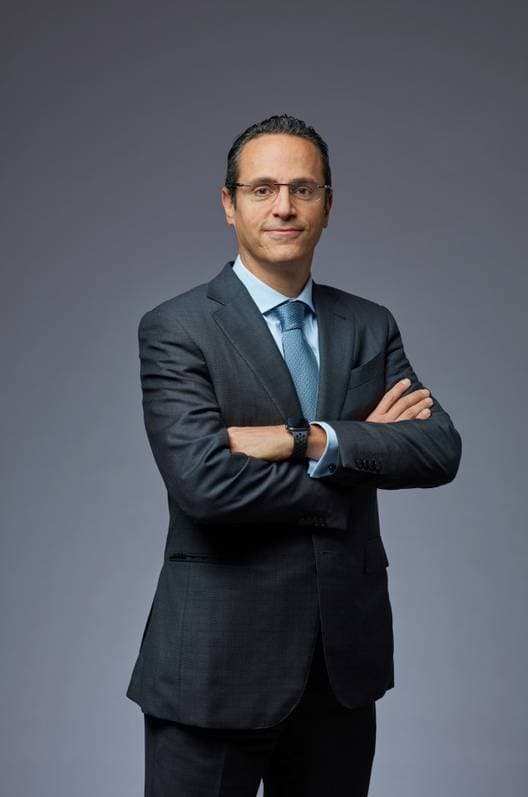
CEO, Shell plc
Public Views
Experience
Documented career positions
Wael Sawan (born 1974) is a Lebanese-Canadian business executive who has served as the Chief Executive Officer (CEO) of Shell plc since January 1, 2023. A veteran of the energy industry, Sawan has spent his entire professional career with Shell, navigating the company through significant transitions in the global energy landscape, characterized by the dual imperatives of maintaining profitability and pursuing a long-term energy transition. Born in Beirut, Lebanon, in 1974, Sawan spent much of his childhood in Dubai, United Arab Emirates, before moving to Canada for higher education. This multicultural upbringing, spanning multiple continents, provided him with a global perspective that would later define his leadership style. Sawan pursued academic excellence in engineering, earning a Master’s degree in Chemical Engineering from McGill University in Montreal. Recognizing the need to complement his technical background with business acumen, he later took a career break to attend Harvard Business School, where he earned a Master of Business Administration (MBA). Sawan joined Shell in 1997, beginning his tenure as an engineer with Petroleum Development Oman. This foundational role marked the start of a multi-decade career that saw him work across Europe, Africa, Asia, and the Americas, gaining extensive experience in various segments of the company, including exploration and production, gas and power, and downstream operations. His leadership potential became evident early on; in the mid-2000s, he served as Managing Director and Chairman of Shell Qatar. In this capacity, he oversaw the planning and early stages of the Pearl Gas-to-Liquids (GtL) project, one of the most complex energy infrastructure undertakings of its time. His trajectory within Shell’s hierarchy continued to ascend as he took on increasingly critical roles. He served as the Executive Vice President of Deepwater, where he was credited with transforming the unit into a highly efficient and competitive business for Shell. In 2019, Sawan was appointed to the company’s Executive Committee as Upstream Director, overseeing the firm's global oil and gas production. By 2021, he had transitioned to the role of Director of Integrated Gas, Renewables and Energy Solutions, a position that placed him at the center of Shell’s strategic efforts to balance its traditional fossil fuel operations with the growing demand for low-carbon energy alternatives. In September 2022, Shell announced that Sawan would succeed the outgoing CEO, Ben van Beurden, effective January 1, 2023. Upon assuming the top role, Sawan inherited a company navigating the complexities of a volatile energy market and the mounting societal pressure to accelerate the transition toward net-zero emissions. As CEO, Sawan has emphasized a "value-over-volume" approach, focusing on disciplined capital allocation and share buybacks to narrow the valuation gap with U.S.-based energy majors. His tenure has been marked by a strategic pivot that prioritizes the profitability of the company’s oil and gas business while re-evaluating the pace of its renewable energy investments. This approach has occasionally drawn scrutiny from climate advocates, yet it reflects his stated commitment to delivering reliable and affordable energy to customers while maintaining financial strength. In his personal life, Sawan is married to Nicole Sawan, and the couple has three sons. He is widely regarded within the industry as an effective communicator and a pragmatic leader. As he continues to steer Shell, his legacy remains tied to his ability to reconcile the immediate financial interests of shareholders with the long-term, systemic shifts required to transform one of the world's largest integrated energy companies in a decarbonizing global economy.
AI-powered civic intelligence rating
Appointed CEO of Shell plc in 2023, successfully closing the massive valuation gap between Shell and its American competitors by re-focusing the company on high-margin fossil fuels
Oversaw Shell's massive expansion in the global Liquified Natural Gas (LNG) market, capitalizing on Europe's desperate need to permanently replace Russian pipeline gas
Sparked massive international outrage from environmentalists and the UN by explicitly abandoning Shell's previously stated goal to reduce oil production by 1% to 2% annually, calling the previous targets 'flawed' and prioritizing shareholder returns over climate pledges
Faced highly disruptive protests by groups like Extinction Rebellion and Greenpeace, who frequently blockade Shell's European facilities and crash shareholder meetings
Navigating intense legal battles in the Netherlands, where a Dutch court previously ordered Shell to drastically cut its global carbon emissions by 45% by 2030 (a ruling the company is aggressively appealing under Sawan's leadership)
News articles featuring Wael Sawan
Executed aggressive cost-cutting measures and organizational restructuring to streamline the sprawling global energy conglomerate
Joined Shell in 1997 as an engineer with Petroleum Development Oman, marking the start of his career with the company.
Served as Managing Director and Chairman of Shell Qatar in the mid-2000s, where he oversaw major LNG and GTL operations.
Held the position of Executive Vice President of Shell’s Deepwater business, leading its transformation into a leading division.
Joined the Shell Executive Committee as Upstream Director in 2019.
Served as a trustee of the Shell Foundation from 2019 to 2022.
Appointed as Shell's Director of Integrated Gas, Renewables and Energy Solutions in 2021.
Appointed Chief Executive Officer of Shell plc on January 1, 2023.
In July 2023, Wael Sawan sparked significant public controversy and backlash from climate scientists and environmental organizations after stating in a BBC interview that it would be "dangerous and irresponsible" to cut oil and gas production. Critics, including the head of the UN climate change body, characterized the remarks as cynical and irresponsible, arguing they prioritized fossil fuel profits over global climate goals.
Under Sawan's leadership in 2023, Shell faced widespread criticism for shifting its climate strategy by abandoning previous plans to reduce oil and gas production by 1-2% annually through 2030, choosing instead to hold production steady at current levels. Environmental groups and activist investors have frequently targeted Sawan for these policy reversals, accusing the company of prioritizing shareholder payouts and fossil fuel investments over aggressive decarbonization.