We're loading the complete profile of this person of interest including their biography, achievements, and contributions.
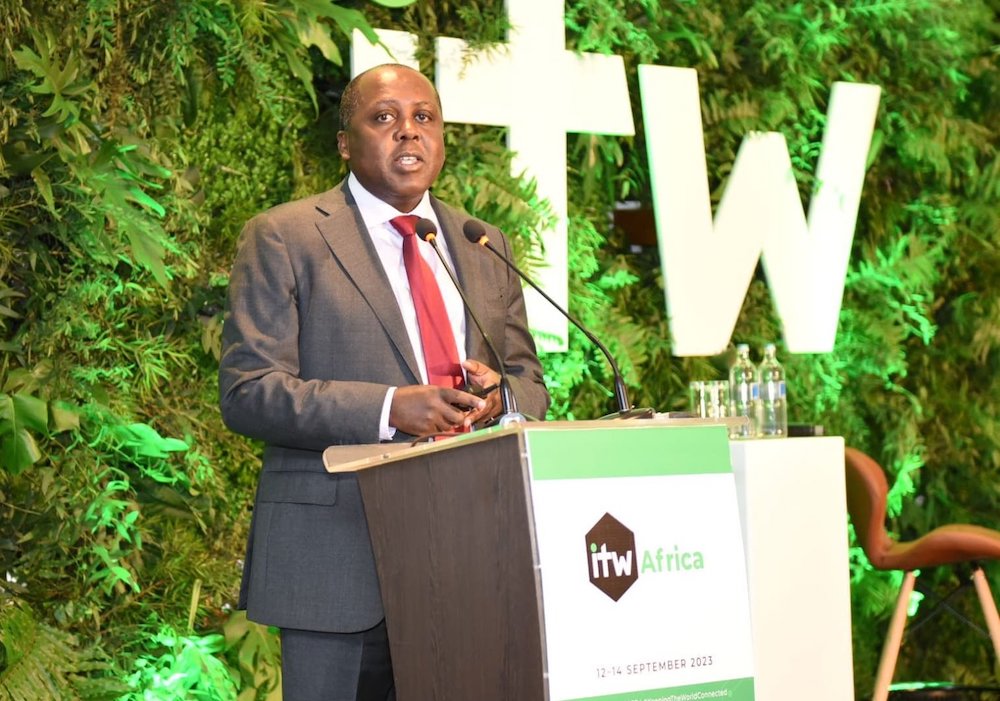
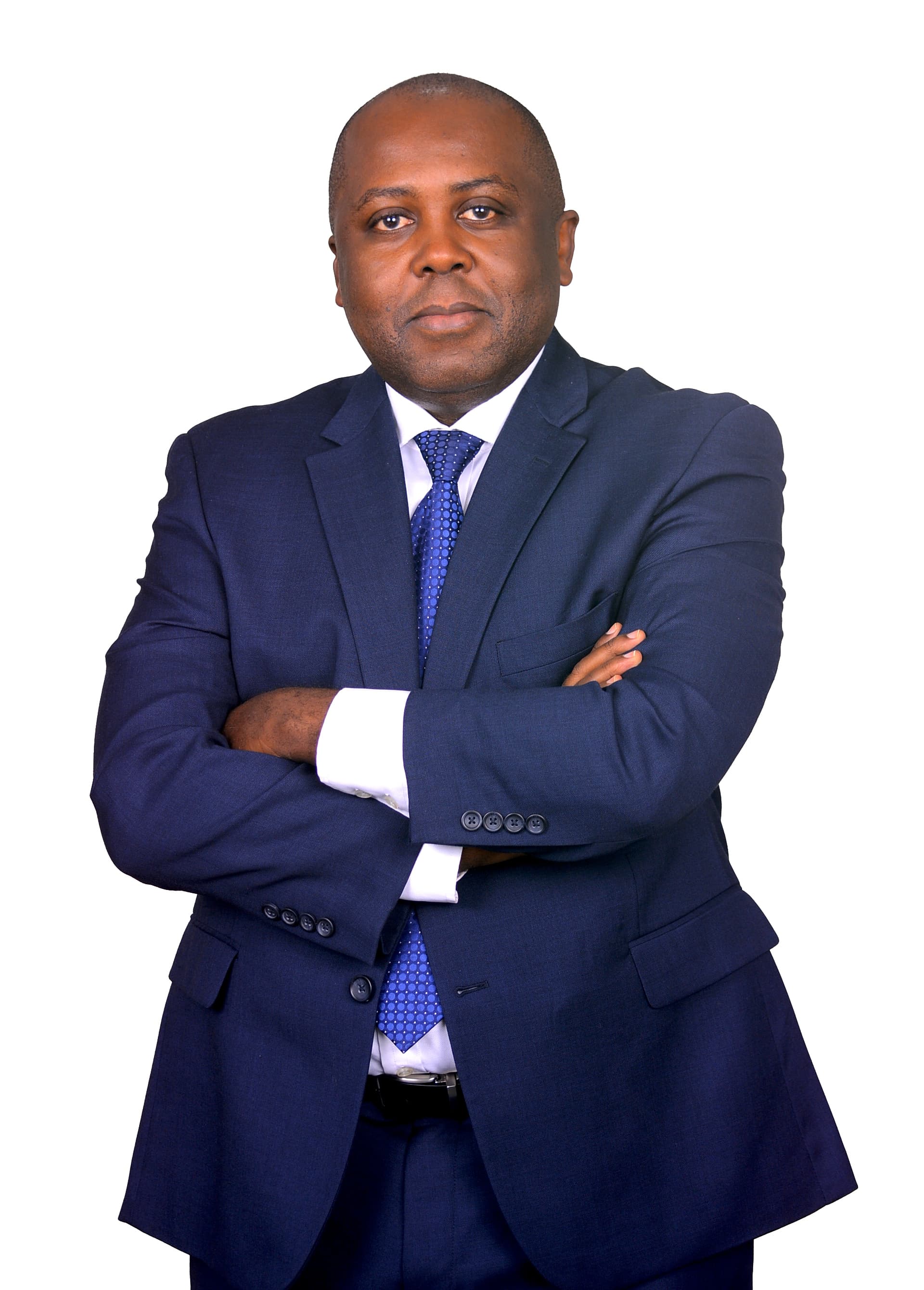
Group CEO, Telkom Kenya
Public Views
Experience
Documented career positions
Mugo Kibati (born 1969) is a Kenyan business leader and technocrat serving as Group Chief Executive Officer of Telkom Kenya, the country’s third-largest telecommunications operator, a position he assumed in November 2018 after leading Sanlam Kenya. An electrical engineer by training with more than 30 years’ experience across oil and gas, manufacturing, telecoms, insurance, technology and government, he is also Chairman of Lake Turkana Wind Power (LTWP), Africa’s largest wind farm and one of the biggest private investments in Kenya’s history. He is best known nationally as the founding Director-General of the Kenya Vision 2030 Delivery Secretariat (2009–2013), where he helped operationalise Kenya’s long-term development blueprint and rally political, private-sector and civil-society stakeholders around its flagship projects. Beyond Telkom and LTWP, he has held top roles including Group CEO of Sanlam Kenya (formerly Pan Africa Insurance), Group MD & CEO of East African Cables, chair of M-KOPA Solar, and board positions at I&M Bank and Apollo Group, cementing his reputation as a cross-sector corporate strategist and public-policy voice.
AI-powered civic intelligence rating
Founding Director-General, Kenya Vision 2030 Delivery Secretariat (2009–2013): Spearheaded implementation of the national development blueprint, helping secure legislative backing for Vision 2030 and embedding it across successive administrations as a unifying framework for economic transformation.
Transformational leadership at East African Cables: As Group MD/CEO (from 2004), drove a diversification and growth strategy that expanded operations into Tanzania and South Africa and grew revenues, profits and market capitalisation several-fold, making the firm one of the fastest-growing counters on the Nairobi Securities Exchange at the time.
Lake Turkana Wind Power overpayment probe and conflict-of-interest questions: Parliamentary committees and media reports have scrutinised an excess payment of roughly €6.17 million (about KSh 780–785 million) to LTWP and raised questions about potential conflicts of interest involving public officials linked to the project, with Kibati’s name mentioned given his Vision 2030 and LTWP roles. These remain allegations under investigation; no court has made an adverse finding against him personally.
Legal and political debates around Vision 2030 leadership: During his tenure as Director-General, at least one suit challenged his continued stay at the helm of the Vision 2030 Secretariat and later reports described uncertainty around non-renewal of his contract, highlighting tensions around appointments to high-profile public-strategy roles.
Chairmanship of Lake Turkana Wind Power: As LTWP chairman, has overseen the consolidation of a 310 MW wind farm that stands as the largest single private investment in Kenya and one of Africa’s biggest wind-energy projects, integrating it into the national grid and positioning Kenya as a regional renewables leader.
Recognition and national honours: Recipient of presidential honours Moran of the Burning Spear (MBS, 2008) and Elder of the Burning Spear (EBS, 2012), named a Young Global Leader by the World Economic Forum (2008), and linked to global leadership networks such as the Aspen Global Leadership Network and Young African Leaders Initiative.
Telkom Kenya’s debt, outages and tower-lease disputes: Under his leadership, Telkom Kenya has faced intense scrutiny over heavy debt burdens and service disruptions, including shutdown of over 500–700 masts by American Tower Corporation due to unpaid lease fees and a reported US$28.5 million dispute tabled before the Senate ICT Committee. Kibati has publicly stated that Telkom is engaging stakeholders to restore services and address the legacy infrastructure-finance issues
Broader criticism over cost of power and PPP structure at LTWP: Civil-society groups, media and parliamentary reports have criticised aspects of the LTWP power-purchase and government-support arrangements—arguing that tariff structures and delay-compensation mechanisms shifted excessive cost and risk to Kenyan consumers and the state. These critiques are directed at the PPP framework and institutional decisions rather than at Kibati alone, but they shape the contested public narrative around the flagship project he chairs.