We're loading the complete profile of this person of interest including their biography, achievements, and contributions.
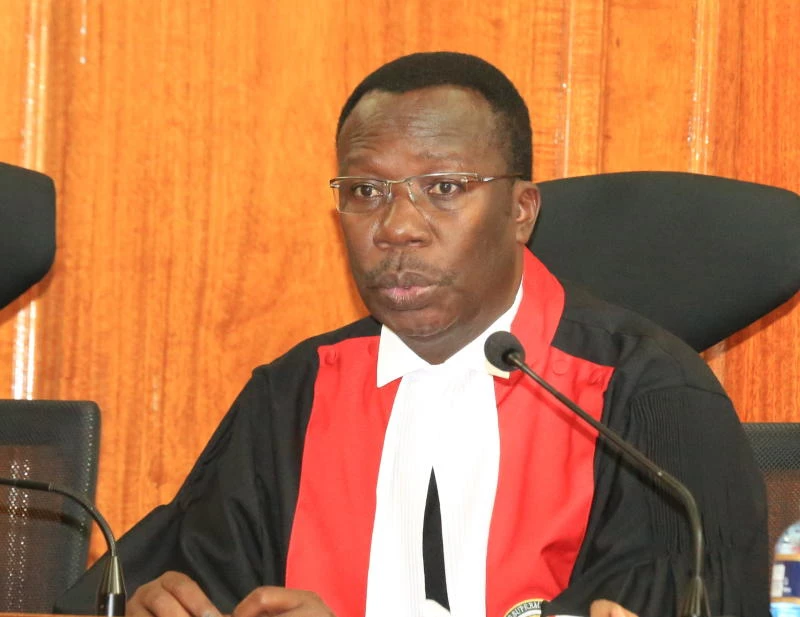
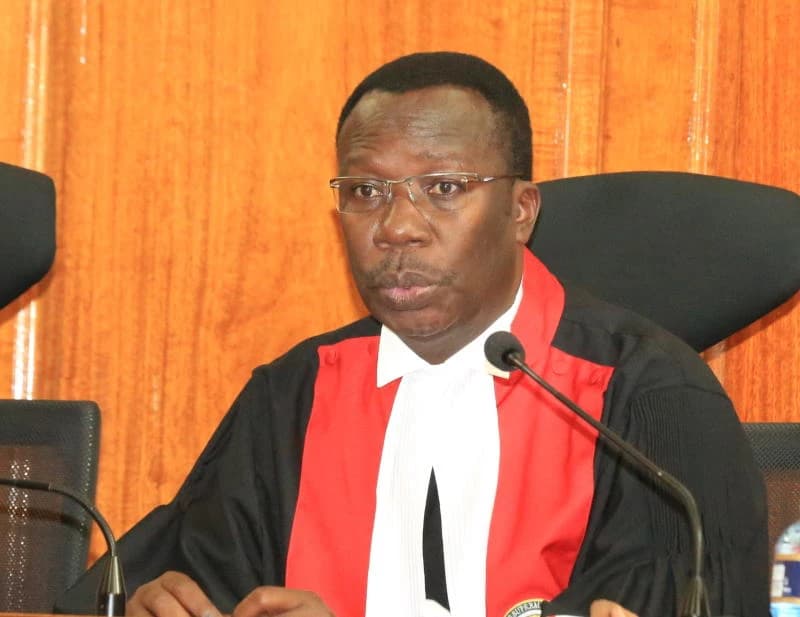
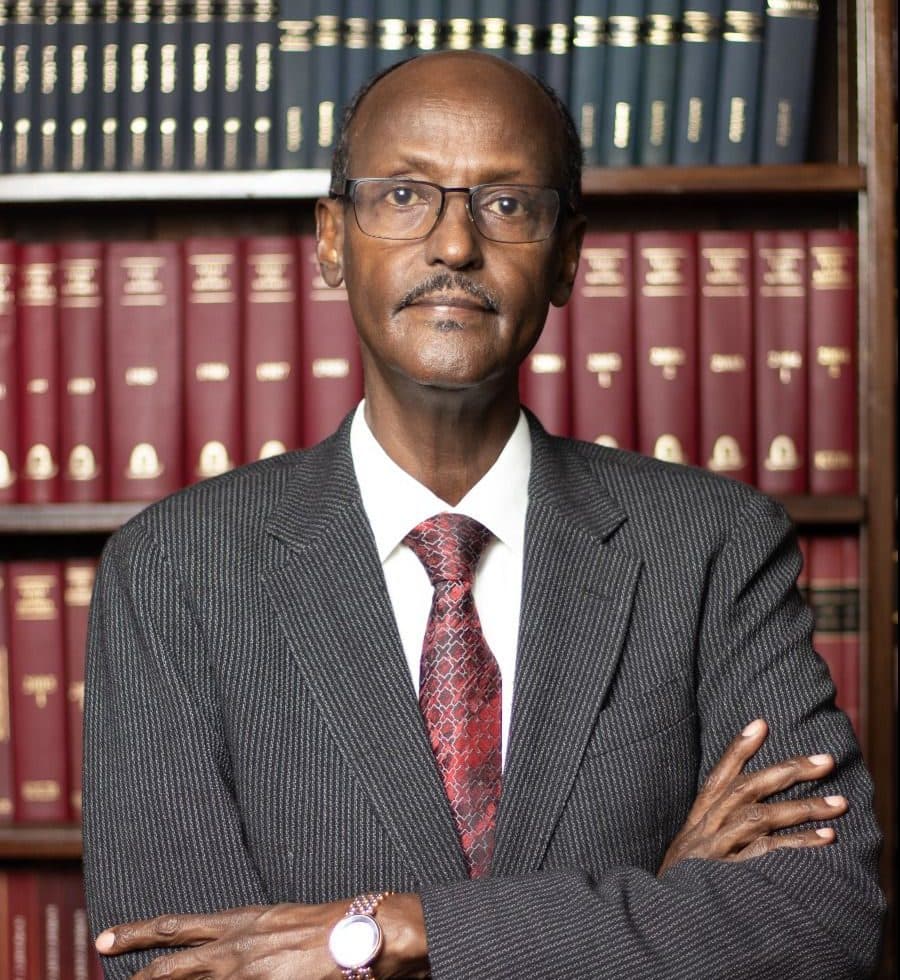
Judge of the Supreme Court of Kenya
Public Views
Experience
Documented career positions
Justice Dr. Smokin C. Wanjala is a distinguished Kenyan jurist and a serving judge of the Supreme Court of Kenya. Born on June 22, 1960, in Bungoma County, he has built a career marked by extensive contributions to academia, legal reform, anti-corruption efforts, and the highest level of judicial service in Kenya. Justice Wanjala’s academic foundation is rooted in both local and international legal education. He holds a Bachelor of Laws (LL.B, Hons.) from the University of Nairobi and a Post Graduate Diploma in Law from the Kenya School of Law. Demonstrating a commitment to advanced legal study, he earned a Master of Laws (LL.M) from Columbia University in New York and a Doctorate in Law (PhD) from the University of Ghent in Belgium. His rigorous academic background provided the framework for his long-standing career in legal pedagogy and scholarship. Before his elevation to the bench, Justice Wanjala dedicated nearly two decades to academia, serving as a Law Lecturer and later as a Senior Lecturer at the University of Nairobi between 1986 and 2004. During this period, he became a prominent figure in legal research and policy advocacy. He was a founding member of the Centre for Law and Research International (CLARION), an organization instrumental in pioneering civic education in Kenya. His expertise also extended to public service roles outside of the university; he served as the first Chairman of the Public Complaints Committee on the Environment (2002–2004) and as the Joint Secretary to the Commission on Illegally and Irregularly Acquired Public Land—widely known as the Ndung'u Commission—in 2003, where he played a key role in drafting the commission’s influential report. In 2004, Justice Wanjala transitioned into the public sector, appointed as an Assistant Director of the Kenya Anti-Corruption Commission (KACC), where he spearheaded initiatives in research, policy, and preventive services until 2009. His subsequent appointment to the Supreme Court of Kenya in 2011 marked a pivotal milestone in his career. As one of the inaugural judges of the Supreme Court, he helped establish the court's institutional framework. His tenure has seen him participate in landmark rulings, including the highly consequential presidential election petitions of 2013, 2017, and 2022. Beyond his duties on the Supreme Court bench, Justice Wanjala has held significant administrative and oversight roles. He served as a member of the Judicial Service Commission (2011–2016), where he chaired the Human Resources and Administration Committee. He has also represented the Judiciary on the Council of Legal Education and serves as the Director of the Kenya Judiciary Academy (KJA). A Fellow of the International Commission of Jurists (Kenya Chapter) and a member of the Kenya National Academy of Sciences, he remains a prolific author with numerous publications on law, human rights, and governance. In recognition of his distinguished public service, he was awarded the Chief of the Order of the Burning Spear (CBS). Justice Wanjala continues to be a respected voice in the Kenyan judiciary, characterized by his academic depth and commitment to the rule of law.
AI-powered civic intelligence rating
Doctorate in Law (PhD) – University of Ghent, Belgium.
Authored numerous academic publications in law, human rights and governance, and contributed to major research projects, including the Ndung’u Commission on Illegally Acquired Land.
Served as member of the Judicial Service Commission (2011-16) representing Supreme Court judges and chaired its Human Resources & Administration Committee.
Appointed as Judge of the Supreme Court of Kenya in 2011 and has served since then, including prominent roles in judiciary oversight and elections-related committees.
His role on the Supreme Court bench during highly charged election petitions (including the 2017 presidential election challenge) placed him in the spotlight of public and media criticism, as the judiciary’s independence and integrity were tested under intense political pressure
Some commentators have pointed to the pace of land-law reforms and implementation of the Ndung’u Commission recommendations (which he helped compile as Joint Secretary) as slower than anticipated, raising questions about follow-through on landmark land-governance reports. (Public commentary only.)
Appointed Presidential recipient of the Chief of the Order of the Burning Spear (CBS) in recognition of public service.
Graduated with a Bachelor of Laws (LL.B, Hons) from the University of Nairobi in 1984
Obtained a Diploma in Law from the Kenya School of Law in 1985
Earned a Master of Laws (LL.M) from Columbia University, New York, in 1986
Served as a lecturer and senior lecturer at the University of Nairobi from 1986 to 2004
Co-founded the Centre for Law and Research International (CLARION), which pioneered civic education in Kenya, in the early 1990s
Obtained a Doctorate in Law (PhD) from the University of Ghent, Belgium, in 2000
Served as the first Chairman of the Public Complaints Committee on the Environment (NEMA) from 2002 to 2004
Served as Joint Secretary to the Commission of Inquiry into the Illegal/Irregular Allocation of Public Land (Ndung'u Commission) in 2003
Appointed Assistant Director of the Kenya Anti-Corruption Commission (KACC) in 2004, serving until 2009
Became a subject of the Biographical Record in Marquis 'Who is Who' in the World in 2008
Appointed as a Judge of the Supreme Court of Kenya on June 16, 2011
Served as a member of the Judicial Service Commission, representing the Supreme Court, from 2011 to 2016
Awarded the Chief of the Order of the Burning Spear (CBS) by the President of Kenya in 2012 for distinguished service
Appointed as the Judiciary Representative to the Council of Legal Education in 2020
Appointed as Director of the Kenya Judiciary Academy
His academic and judicial insistence on integrity and transparency has occasionally drawn criticism from political actors who assert that judicial activism may overstep separation of powers; no formal disciplinary action has been taken.
In March 2019, a petition was filed with the Judicial Service Commission by Jared Ongeri seeking the removal of Justice Wanjala and three other Supreme Court judges. The petitioner alleged gross misconduct and bribery, claiming Wanjala had received 75 million Kenyan Shillings to influence the outcome of a Wajir gubernatorial election petition. Justice Wanjala denied the allegations, requested a formal investigation to clear his name, and challenged the petitioner to provide evidence; in December 2020, the JSC dismissed the petition, ruling that the allegations were unsubstantiated and lacked evidence.
In September 2022, false reports circulated on social media alleging that Justice Wanjala and Deputy Chief Justice Philomena Mwilu had resigned from their positions. The Judiciary of Kenya officially debunked these claims, confirming that no such resignations had occurred.