We're loading the complete profile of this person of interest including their biography, achievements, and contributions.
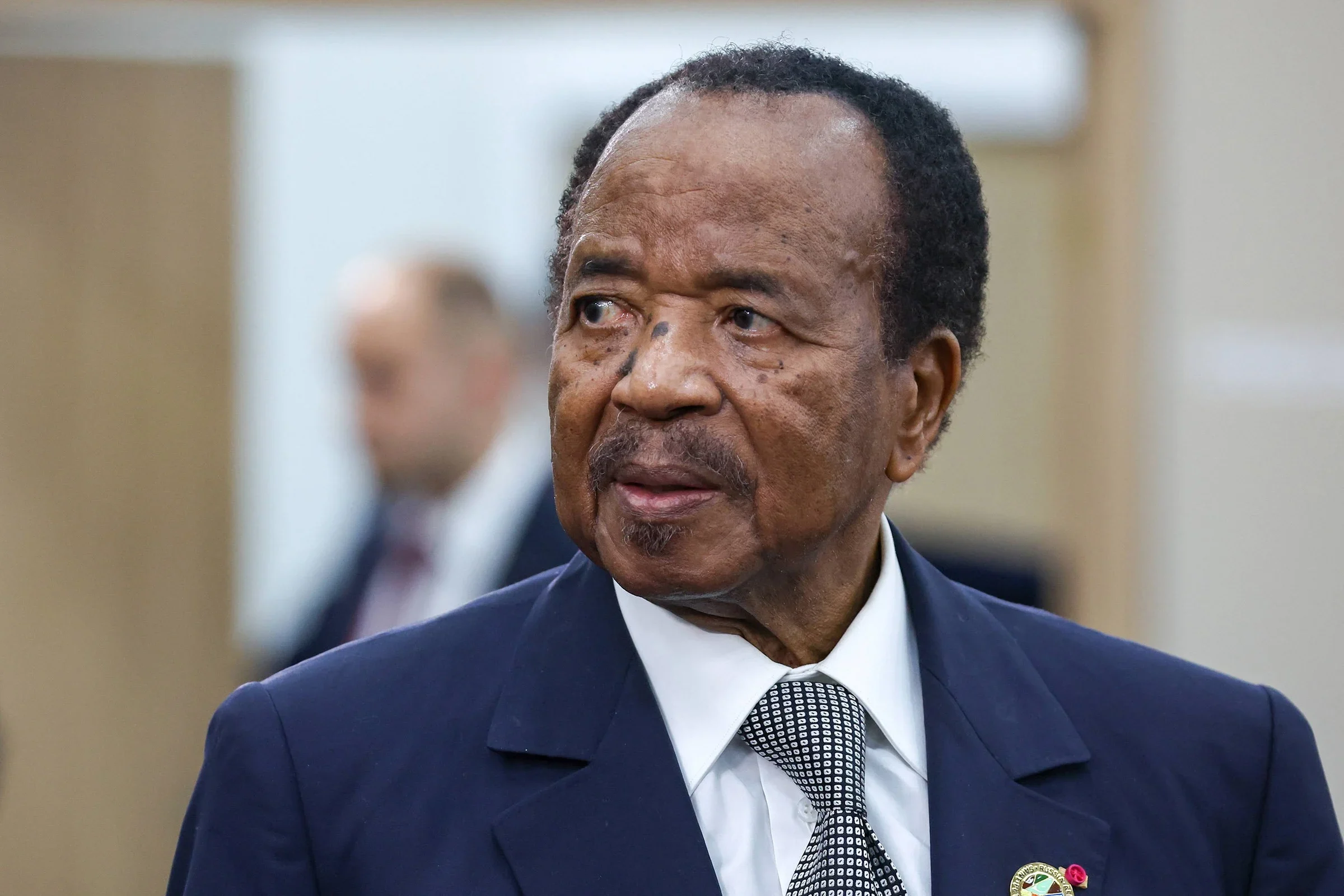
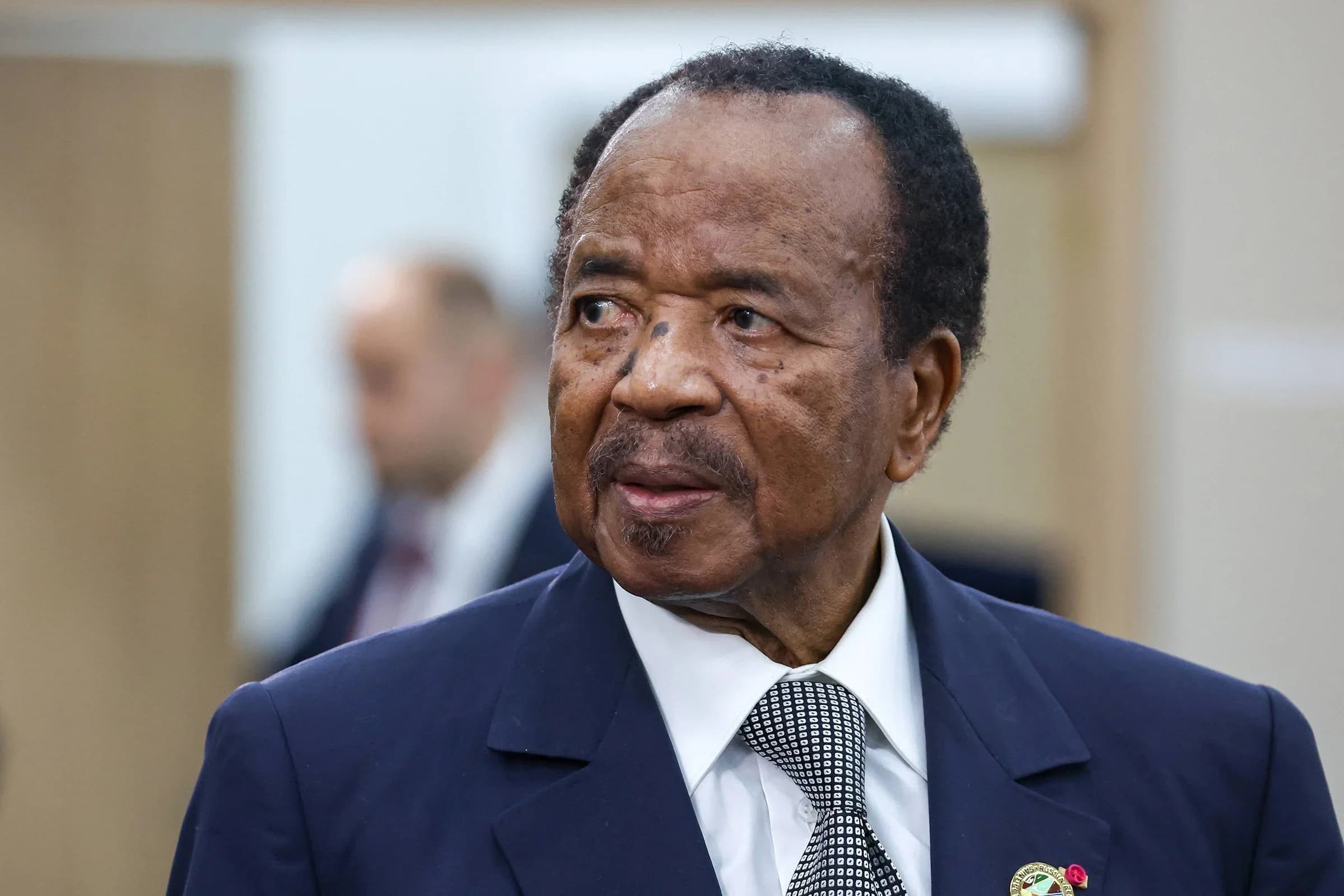
President of Cameroon
Born
1933(93 yrs)
Region
Yaoundé
Public Views
Experience
Documented career positions
Paul Biya (born 13 February 1933) is the President of Cameroon, having ruled the country since 6 November 1982, making him the second-longest-serving ruling president in Africa and the oldest head of state in the world. He succeeded Ahmadou Ahidjo and quickly consolidated power, presiding over a highly centralized presidential system that has defined Cameroonian politics for more than four decades. Trained as a senior civil servant, Biya initially projected an image of technocratic reform before entrenching an enduring personal rule anchored in the state, ruling party, and security apparatus. Biya’s presidency has been marked by political longevity, institutional rigidity, and recurring legitimacy questions. His frequent and prolonged stays abroad—particularly in Switzerland—have fueled domestic debate about absentee leadership. Domestically, the most serious challenge to his rule has been the Anglophone Crisis in Cameroon’s North-West and South-West regions, where a conflict between separatists and government forces has persisted since 2016, resulting in thousands of deaths and mass displacement. Despite periodic elections and constitutional amendments, Biya remains the central axis of Cameroonian power well into his 90s.
AI-powered civic intelligence rating
One of Africa’s longest-serving leaders: In power since 1982, providing continuity—though controversial—across multiple regional and global eras.
Preserved state cohesion: Maintained Cameroon’s territorial integrity despite economic shocks, regional instability, and internal dissent.
Managed political transitions without coups: Cameroon has avoided military takeovers common elsewhere in the region during his tenure.
Anglophone Crisis: Ongoing conflict in English-speaking regions has drawn international criticism over human-rights abuses and stalled dialogue.
Electoral legitimacy concerns: Elections under his rule are frequently contested by opposition parties and international observers.
Frequent absences abroad: Extended stays in Switzerland have raised questions about governance and accountability.
Influential regional actor: Played a role in Central African diplomacy, including mediation efforts in regional conflicts.
Authoritarian governance: Critics cite repression of opposition, restricted media freedoms, and concentration of power in the presidency.