We're loading the full news article for you. This includes the article content, images, author information, and related articles.
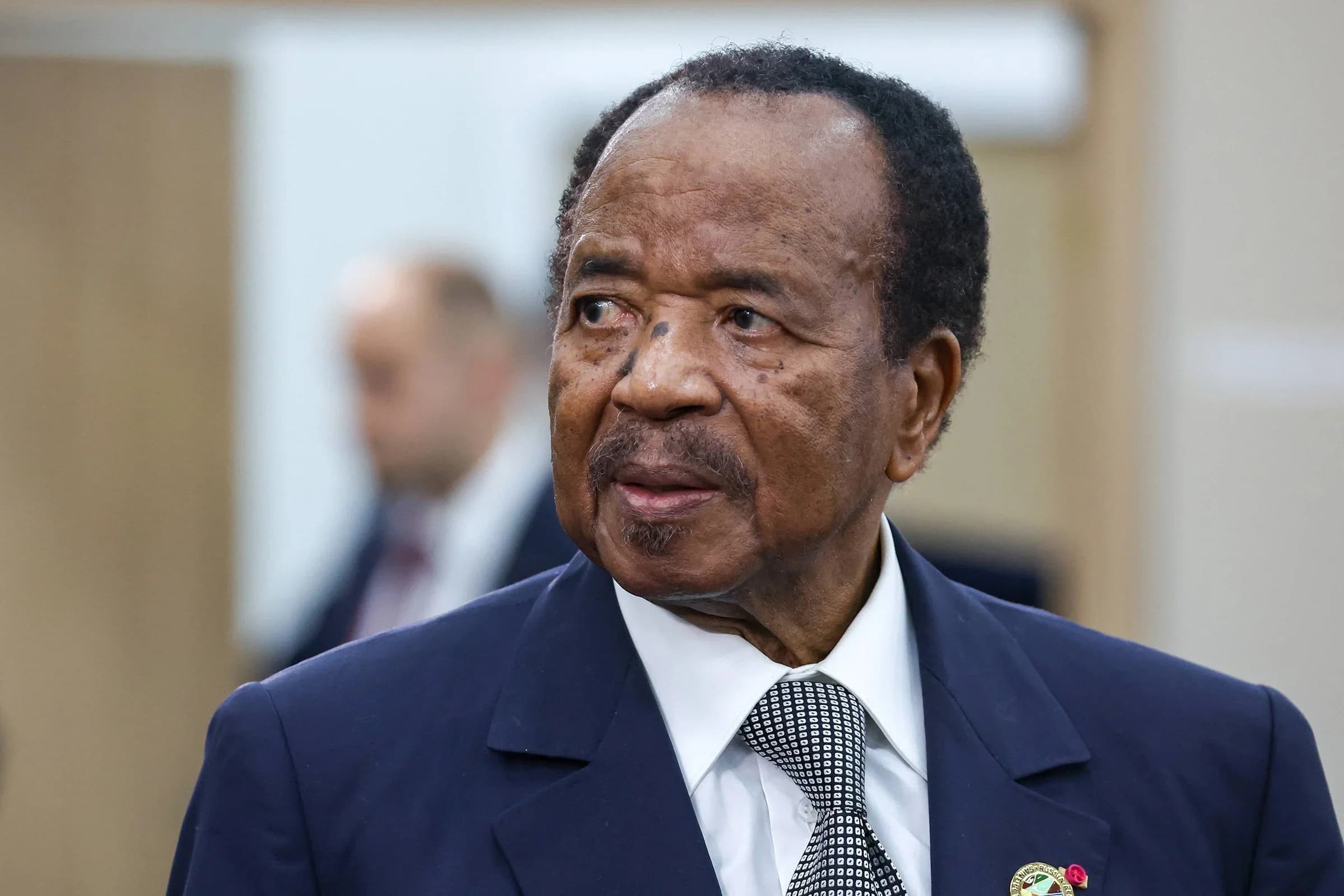
President Paul Biya extends his 43-year rule after a disputed election, deepening concerns over democratic backsliding and stability in Central Africa, a trend with significant implications for the wider continent.
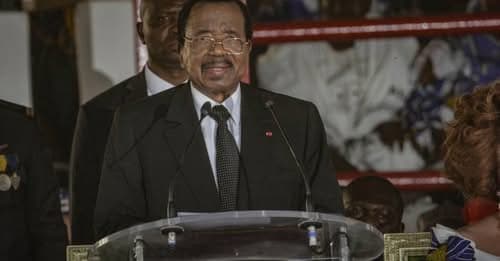
YAOUNDÉ, CAMEROON – Paul Biya, the world's oldest sitting head of state, was sworn in for an eighth consecutive presidential term on Thursday, November 6, 2025, extending his 43-year grip on power in Cameroon. The inauguration ceremony in the capital, Yaoundé, proceeded amid a tense political climate following a contentious election on October 12, 2025, which was marred by allegations of widespread fraud and deadly post-election violence.
In his inaugural address before parliament, the 92-year-old leader promised to restore order, offering condolences to victims of the unrest while blaming “irresponsible politicians” for instigating the violence. “I can assure you, order will reign,” Mr. Biya stated, adding that it was pointless to plunge the country into crisis. He described the electoral process as satisfactory and praised the national electoral body, Elecam.
According to official results announced on October 27 by Cameroon's Constitutional Council, President Biya secured 53.66% of the vote. His main challenger, Issa Tchiroma Bakary, a former government minister, was credited with 35.19%. Mr. Tchiroma has vehemently rejected the results, declaring himself the rightful winner and accusing the authorities of a “constitutional coup.” His claims have fueled protests in major cities, including the economic hub Douala and his hometown of Garoua.
The political landscape was further complicated by the pre-election disqualification of another key opposition figure, Maurice Kamto of the Cameroon Renaissance Movement (MRC), who was the runner-up in the 2018 polls. Cameroon's electoral commission barred Mr. Kamto from running, a move his supporters decried as a political maneuver to eliminate a potent challenger. While Mr. Kamto had called for a united opposition front, the fractured field ultimately contested the election.
The announcement of the election results triggered a harsh crackdown by security forces on opposition supporters. While the government has not provided an official death toll, two separate United Nations sources reported to Reuters that at least 48 civilians were killed by security forces during the protests. Most casualties reportedly resulted from live ammunition. The National Human Rights Commission of Cameroon cited a figure of at least 14 people killed and more than 1,200 arrested. The European Union and the African Union have both condemned the violent crackdown.
While direct bilateral trade between Kenya and Cameroon is modest—Kenyan exports to Cameroon stood at $7.14 million in 2023—the political situation in the Central African nation carries significant regional weight. Cameroon is a linchpin for stability in a volatile region, bordering countries like Chad, the Central African Republic (CAR), and Nigeria, all facing their own security challenges. Instability in Cameroon could have severe consequences for regional trade and security, particularly for landlocked nations like Chad and CAR that rely on the port of Douala for critical imports.
President Biya's extended rule, which began in November 1982, places him among the longest-serving leaders in the world. This trend of entrenched incumbency contrasts with political developments in parts of East Africa, where term limits, though sometimes contested, are more common. The events in Cameroon serve as a critical case study for the continent on issues of democratic transition, state stability, and the challenges posed by long-standing rule. Analysts warn that a failure to manage a peaceful and democratic transition in Cameroon could send shockwaves across Central Africa, a region already grappling with instability.
As President Biya begins his new seven-year term, which could see him in office until the age of 99, Cameroon remains deeply divided. The government has initiated legal proceedings against Mr. Tchiroma for his “repeated calls for insurrection,” while the opposition leader has urged supporters to stage “dead city” operations to protest the election outcome, further entrenching the political standoff.
Keep the conversation in one place—threads here stay linked to the story and in the forums.
Sign in to start a discussion
Start a conversation about this story and keep it linked here.
Other hot threads
E-sports and Gaming Community in Kenya
Active 10 months ago
The Role of Technology in Modern Agriculture (AgriTech)
Active 10 months ago
Popular Recreational Activities Across Counties
Active 10 months ago
Investing in Youth Sports Development Programs
Active 10 months ago
Key figures and persons of interest featured in this article