We're loading the complete profile of this person of interest including their biography, achievements, and contributions.
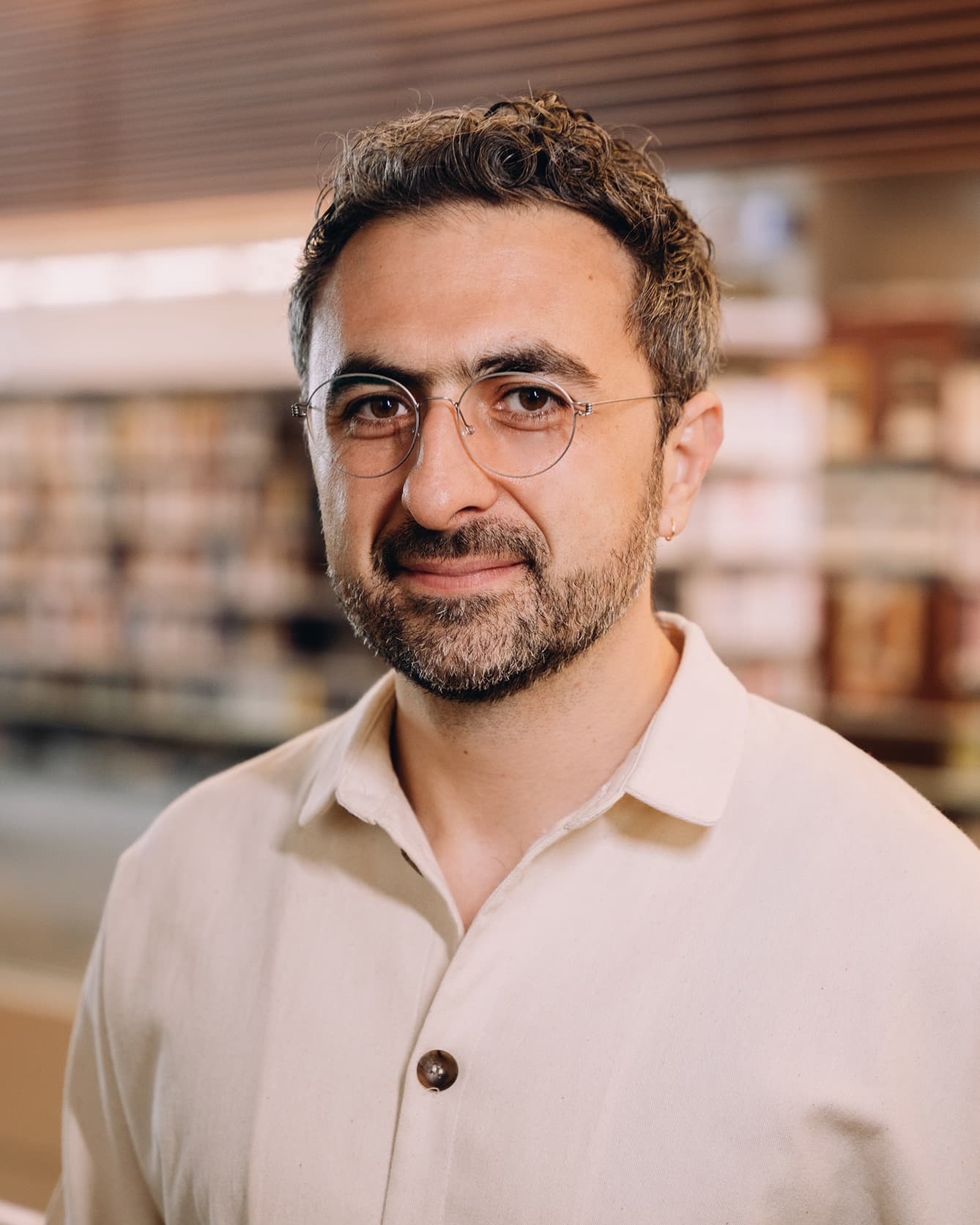
CEO, Microsoft AI
Public Views
Experience
Documented career positions
Mustafa Suleyman (born 1984) is a prominent British artificial intelligence entrepreneur and executive. He is the co-founder of DeepMind and Inflection AI, and currently serves as the Executive Vice President and CEO of Microsoft AI. His career has been marked by significant contributions to the development of commercial artificial intelligence, as well as advocacy for AI safety, ethics, and the role of technology in addressing global social challenges. Born in London, England, Suleyman was raised in the borough of Islington. His father was a taxi driver from Syria, and his mother was a nurse for the National Health Service (NHS). He attended Thornhill Primary School and later Queen Elizabeth's School in Barnet, a selective boys' grammar school. During his teenage years, Suleyman formed a friendship with Demis Hassabis, who would later become his co-founder at DeepMind. Following his secondary education, Suleyman enrolled at Mansfield College, Oxford, to study philosophy and theology. However, he left the university at age 19, opting to pursue professional ventures focused on social impact rather than completing his degree. Suleyman began his career in the non-profit and public sectors. In 2001, he helped launch the Muslim Youth Helpline, a telephone-based counseling service that became a significant mental health resource. He subsequently worked as a policy officer focusing on human rights for the Mayor of London, Ken Livingstone, and later co-founded Reos Partners, a consultancy that utilized conflict resolution and "systemic change" methodologies to address complex social issues. In 2010, Suleyman, along with Demis Hassabis and Shane Legg, co-founded DeepMind Technologies. As the company’s chief product officer, he played a central role in establishing the organization as a leader in AI research. DeepMind gained global recognition for its breakthroughs in machine learning, particularly in reinforcement learning and game-playing algorithms. In 2014, Google acquired DeepMind for approximately £400 million, marking one of the largest technology acquisitions in Europe at that time. Following the acquisition, Suleyman served as Head of Applied AI at DeepMind, where he oversaw the integration of the company’s AI technologies into Google’s products and infrastructure. During this period, he also launched DeepMind Health, an initiative focused on utilizing AI for clinical tools in the NHS. In 2019, Suleyman was placed on leave following reports of concerns regarding his management style; he later addressed these reports, acknowledging that his approach had been overly demanding. In 2022, after departing Google, Suleyman co-founded Inflection AI alongside LinkedIn co-founder Reid Hoffman and AI researcher Karén Simonyan. The startup focused on creating personalized, "AI-first" products, notably launching "Pi" (Personal Intelligence), a conversational AI designed for friendly interaction and assistance. In March 2024, Microsoft appointed Suleyman as Executive Vice President and CEO of a newly formed division, Microsoft AI. This role involves leading the development of Microsoft’s consumer AI products, including Copilot. Many of his colleagues from Inflection AI transitioned to the new organization alongside him. At Microsoft, Suleyman has focused on scaling the company’s consumer AI initiatives and has publicly stated his mission to pursue the development of "human superintelligence"—AI systems designed to work specifically in service of human objectives. Outside of his corporate roles, Suleyman has been an influential voice in the discourse surrounding AI safety and ethics. He is a founding co-chair of the Partnership on AI, a coalition involving major technology firms, and has served as a senior fellow at the Harvard Kennedy School’s Belfer Center for Science and International Affairs. In 2019, he was appointed a Commander of the Order of the British Empire (CBE) for his services to the UK technology sector. He is the author of the book "The Coming Wave: Technology, Power, and the Twenty-first Century's Greatest Dilemma," in which he explores the geopolitical and existential risks posed by rapidly advancing AI and synthetic biology.
Appointed CEO of Microsoft AI (2024), reporting directly to Satya Nadella and commanding all consumer-facing AI products and research across the trillion-dollar corporation
Co-founded DeepMind (2010), serving as its Head of Applied AI and significantly integrating DeepMind algorithms to drastically reduce power consumption in Google's massive data centers
His departure from DeepMind in 2019 followed highly publicized internal investigations and employee complaints regarding his aggressive, toxic management style and 'bullying' of staff (Suleyman later publicly apologized, acknowledging he 'screwed up' and was too demanding)
The mechanism by which Microsoft hired him and absorbed the majority of Inflection AI's staff in 2024 drew immediate antitrust scrutiny from the FTC and European regulators, who viewed it as an illegal 'stealth acquisition' designed to bypass monopoly laws
Faced intense backlash from creators and journalists in mid-2024 after he stated in an interview that content published on the open web is 'freeware' and fair game for AI training without compensation
Co-founded Inflection AI (2022) and successfully developed 'Pi,' pioneering the concept of emotionally intelligent, highly conversational AI assistants
Authored the highly acclaimed geopolitical technology book, 'The Coming Wave: Technology, Power, and the Twenty-first Century's Greatest Dilemma' (2023)
Co-founded the Muslim Youth Helpline in August 2001, which grew into one of the largest mental health support services for young Muslims in the United Kingdom.
Founded the consultancy Reos Partners in 2007 to address systemic social challenges using conflict resolution and negotiation techniques.
Co-founded the artificial intelligence company DeepMind Technologies in 2010 with Demis Hassabis and Shane Legg.
Oversaw the acquisition of DeepMind by Google in 2014 for approximately £400 million, the largest acquisition by the company in Europe at that time.
Launched DeepMind Health at the Royal Society of Medicine in February 2016, focusing on clinical technology for the National Health Service.
Led a DeepMind initiative in 2016 that applied machine learning algorithms to reduce energy consumption in Google's data centers.
Appointed a Commander of the Most Excellent Order of the British Empire (CBE) in the 2019 New Year Honours for services to the UK technology industry.
Received the Silicon Valley Visionary Award in 2019.
Co-founded the machine learning and generative AI company Inflection AI in 2022 after leaving Google.
Published the New York Times and Sunday Times bestselling book 'The Coming Wave: Technology, Power, and the Twenty-first Century's Greatest Dilemma' in 2023.
Named by TIME as one of the 100 most influential people in artificial intelligence in 2023.
Appointed as Executive Vice President and CEO of the newly created Microsoft AI division in March 2024.
Named by TIME as one of the 100 most influential people in artificial intelligence in 2024.
In 2016-2017, the UK's Information Commissioner's Office (ICO) ruled that a data-sharing partnership between DeepMind—co-founded by Suleyman—and the Royal Free NHS Trust was illegal. The ICO found that the trust failed to comply with data protection laws when providing personal data of approximately 1.6 million patients for the development of an acute kidney injury app without sufficient patient consent or transparency.
In 2019, Suleyman was placed on administrative leave from DeepMind following reports of bullying and aggressive management behavior. An external investigation into the allegations resulted in the company leadership stating that his management style had 'fallen short' of expected standards, leading to his subsequent departure from the organization.
In 2024, Suleyman's move to lead Microsoft AI, which included hiring a large number of employees from his former startup Inflection AI, faced scrutiny from antitrust experts and regulators. Critics questioned whether the hiring arrangement was a strategic maneuver designed to circumvent regulatory merger review processes.
In 2025, Suleyman faced public backlash and criticism after referring to users who were unimpressed by Microsoft's aggressive integration of AI into Windows as 'cynics.' This drew further negative attention to the company's product strategy, which some users argued prioritized shareholder interests and AI integration over fixing fundamental system issues and addressing privacy concerns.