We're loading the complete profile of this person of interest including their biography, achievements, and contributions.
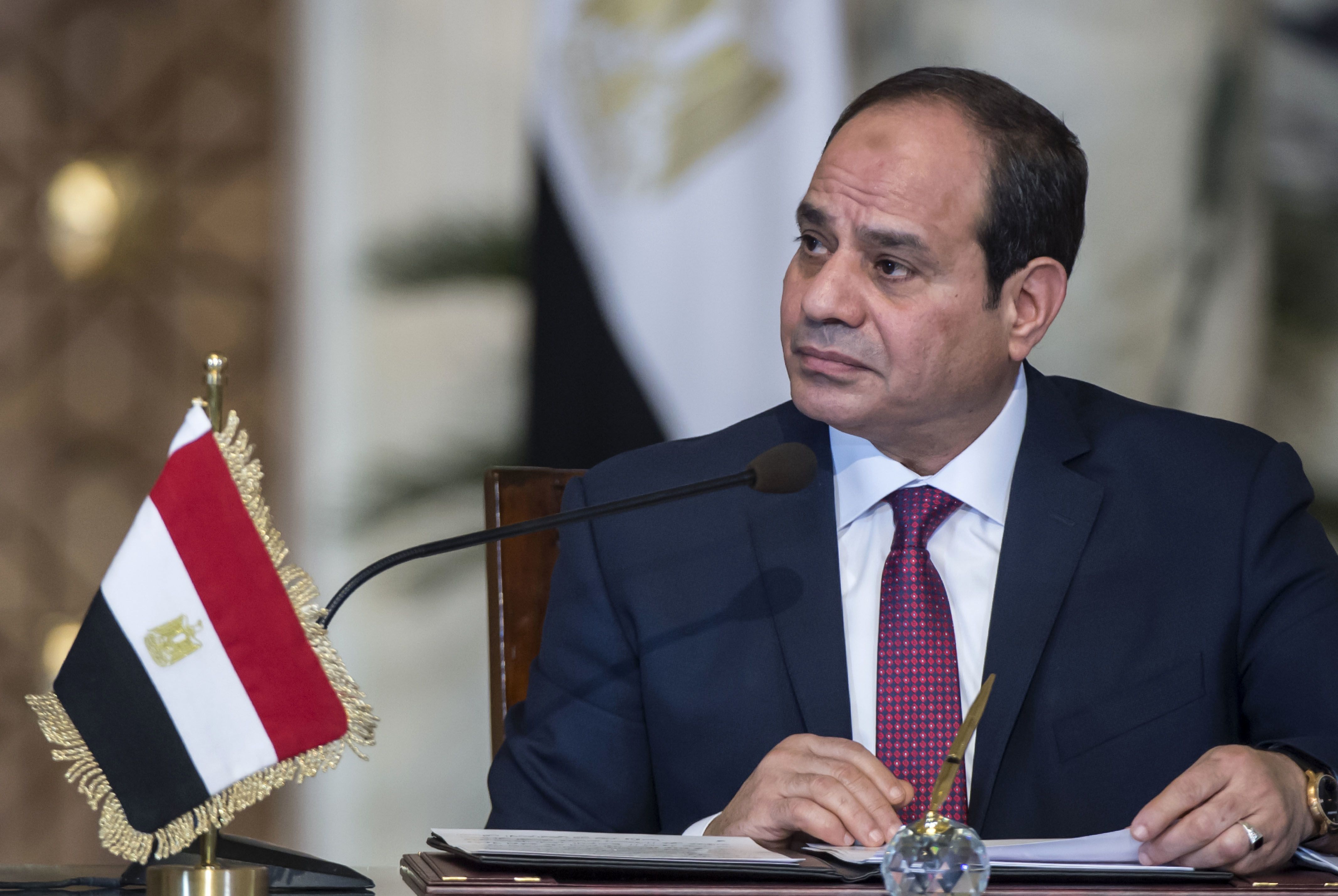
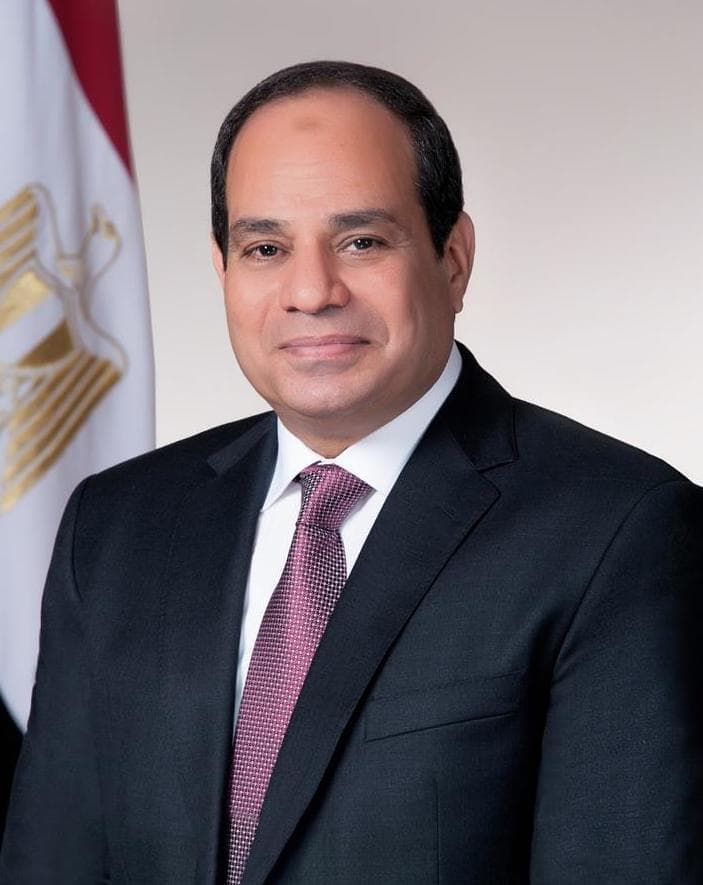
President of Egypt
Born
1954(72 yrs)
County
Cairo
Public Views
Experience
Documented career positions
Abdel Fattah Saeed Hussein Khalil el-Sisi, born 19 November 1954, is the 8th President of Egypt, serving since June 2014. A career military officer, he rose through the ranks of the Egyptian Armed Forces to become Director of Military Intelligence and later Minister of Defense. In July 2013, amid widespread public protests against the rule of President Mohamed Morsi, el-Sisi announced Morsi’s removal from office — a turning point that reshaped Egypt’s political trajectory. His ascent to the presidency followed a period of military-backed transitional governance, during which he framed himself as a stabilizing force capable of restoring national order. As president, el-Sisi has pursued an ambitious developmental agenda emphasizing mega-infrastructure projects, national modernization and state-led economic restructuring. Signature undertakings include the New Administrative Capital, the Suez Canal expansion, an extensive national road network, new cities, and large-scale energy projects. However, his tenure has also been defined by unprecedented crackdowns on political dissent, the erosion of civic freedoms, and the consolidation of a heavily securitized state. Egypt simultaneously faces a deep economic crisis, marked by high inflation, significant public debt and currency devaluations — placing el-Sisi at the center of a complex legacy balancing large-scale state-building with intense domestic political repression.
President of Egypt (2014–Present)
Oversaw the expansion of the Suez Canal
Developing the New Administrative Capital
Suppression of political dissent: His government has imprisoned tens of thousands of activists, opposition members, journalists and civil-society actors, drawing condemnation from international human-rights organizations.
Restrictions on media and speech: Egypt under el-Sisi is considered one of the world’s most restrictive environments for press freedom, with widespread censorship and state control.
Economic hardship and rising debt: Despite megaprojects, Egypt faces severe economic instability, currency devaluations, high inflation and ballooning public debt — with critics arguing that state-led spending has worsened fiscal pressures.
News articles featuring Abdel Fattah el-Sisi
Chairperson of the African Union (2019)
Restored stability post-2011 revolution
Oversaw major national megaprojects: Led transformative state-driven development including the New Administrative Capital, new cities across the desert, an expanded highway network, and vast energy-generation initiatives.
Strengthened national security apparatus: Implemented widespread counterterrorism measures, particularly in the Sinai Peninsula, leading to reduced large-scale militant operations.
Consolidated regional diplomatic influence: Positioned Egypt as a central actor in Middle East affairs, including Libya, Gaza, Red Sea security and key Gulf alliances.
Constitutional changes enabling extended rule: Oversaw constitutional amendments allowing him to potentially remain in power until 2030 and expanding presidential authority, raising concerns about authoritarian consolidation.