We're loading the complete profile of this person of interest including their biography, achievements, and contributions.

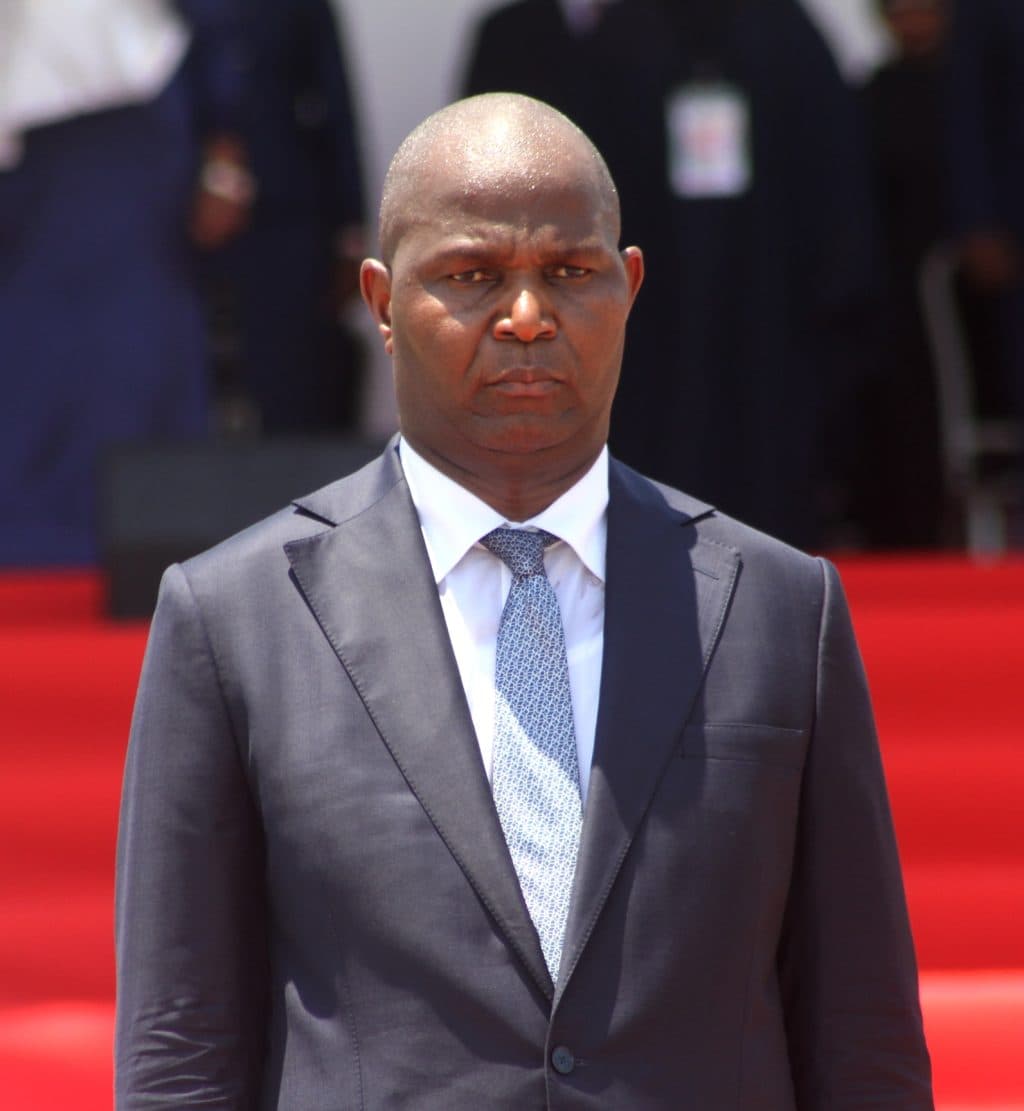
President of Mozambique
Public Views
Experience
Documented career positions
Daniel Francisco Chapo, born 6 January 1977, is the President of Mozambique, elected in the October 2024 general elections as the candidate of the ruling party FRELIMO. A lawyer, former university lecturer, and experienced public administrator, Chapo previously served as Governor of Inhambane Province, where he cultivated a reputation for steady governance, administrative discipline, and outreach to rural communities. His nomination marked a generational shift within FRELIMO — he is the first presidential candidate born after Mozambique’s independence in 1975, symbolising the party’s attempt to refresh its leadership after decades of post-independence rule. As president, Chapo inherits a nation at a pivotal moment. Mozambique faces the dual pressure of a persistent insurgency in Cabo Delgado, which has strained security forces and displaced thousands, and the complex task of managing the country’s emerging liquefied natural gas (LNG) wealth. With global energy firms returning after years of instability, Chapo’s administration is expected to navigate security stabilization, ensure fair revenue distribution, and guard against corruption in resource governance. His presidency is viewed both domestically and internationally as a test of whether Mozambique can turn newfound natural-resource potential into broad-based development while restoring national cohesion and investor confidence.
Elected President of Mozambique (2024): Secured victory as FRELIMO’s candidate, continuing the party’s decades-long dominance while representing a new generational chapter.
Governor of Inhambane Province: Recognized for administrative reforms, improving provincial service delivery, and enhancing local economic programs.
Modernizing figure within FRELIMO: His rise reflects internal party restructuring aimed at renewing leadership and appealing to younger voters.
Questions surrounding FRELIMO’s internal nomination process: His selection raised debates about transparency, internal party influence, and generational turnover.
Managing the Cabo Delgado insurgency: Critics argue the government has struggled to deliver long-term security, with concerns over human-rights abuses by security forces.
LNG governance and corruption risks: Observers warn of potential mismanagement in the natural-gas sector, given Mozambique’s history with illicit financial flows and the “hidden debt” scandal.
Stabilization and LNG agenda: Early focus on balancing security operations in Cabo Delgado with the reactivation of major LNG investments that are critical to Mozambique’s economic future.
High public expectations: As a younger president, he faces intense scrutiny to distance himself from FRELIMO’s old-guard politics and deliver tangible economic and governance reforms.