We're loading the complete profile of this person of interest including their biography, achievements, and contributions.
Olympic Champion & Athletics Pioneer
Public Views
Experience
Documented career positions
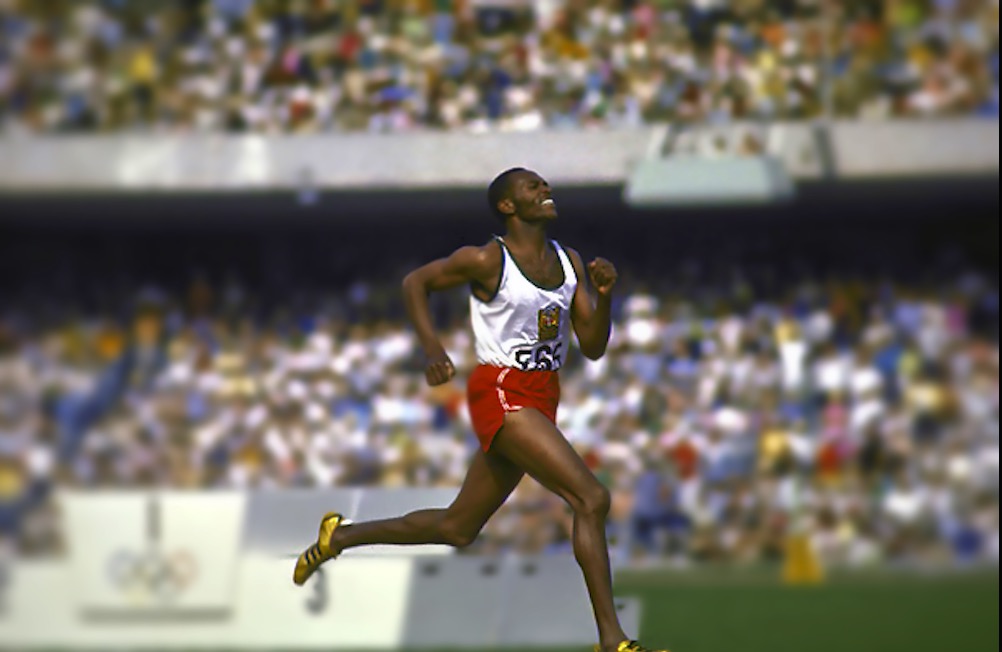
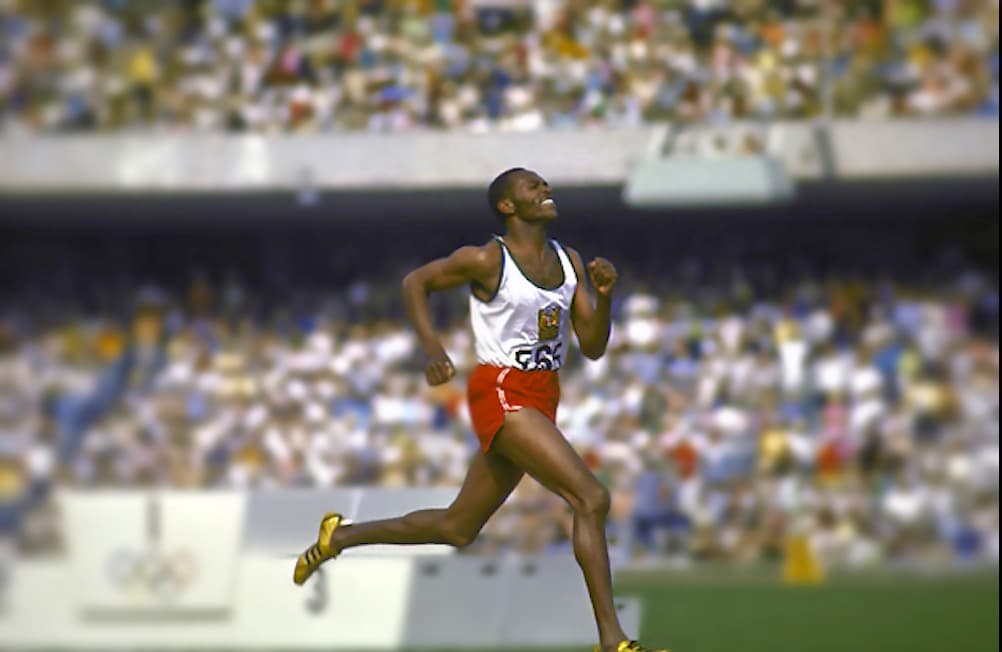
Kipchoge Hezekiah Keino (born 17 January 1940) is a retired Kenyan middle- and long-distance runner who is widely considered one of the most influential figures in the history of African athletics. Born in Kipsamo, Nandi District, Kenya, Keino was raised by an aunt after the untimely death of his parents during his early childhood. Growing up in a rural environment, he developed the physical endurance that would later define his athletic career, famously running several miles to and from school barefoot each day. Before rising to international prominence as a runner, Keino served as a physical training instructor for the Kenya Police, a role that provided the discipline and structural support necessary for his early training. Keino’s international athletic trajectory began in the early 1960s. He made his major championship debut at the 1962 Commonwealth Games in Perth, Australia, where he finished eleventh in the three-mile event. By the time of the 1964 Summer Olympics in Tokyo—the first Games in which Kenya competed as an independent nation—Keino had established himself as a serious competitor, finishing fifth in the 5,000-meter race. His dominance on the world stage followed shortly thereafter; in 1965, he set a new world record in the 3,000 meters, clocking 7:39.6 in his first attempt at the distance, and later that year, he lowered the world record for the 5,000 meters to 13:24.2. The pinnacle of Keino’s athletic career occurred at the 1968 Mexico City Olympics. Competing while suffering from a severe gallbladder infection—a condition for which doctors had advised him not to race—Keino demonstrated immense tenacity. In a now-legendary display of determination, he famously jogged a significant distance to the stadium for the 1,500-meter final after the bus transporting athletes from the Olympic Village became stuck in traffic. Despite the physical pain and the urgency of his arrival, he won the gold medal by a commanding 20-meter margin, setting an Olympic record of 3:34.91 that stood for years. In the same Games, he secured a silver medal in the 5,000 meters. Four years later, at the 1972 Munich Olympics, Keino continued his success by winning gold in the 3,000-meter steeplechase and silver in the 1,500 meters, further cementing his versatility and endurance. Throughout his competitive years, he also secured multiple gold medals at the Commonwealth Games and the All-Africa Games. Beyond his accomplishments on the track, Keino’s legacy is defined by his profound commitment to humanitarianism and sports administration. Following his retirement from competitive running in 1973, he shifted his focus toward social development, particularly in the Rift Valley region. Together with his wife, Phyllis Keino, he established the Lewa Children's Home to support orphaned and vulnerable children. This philanthropic effort expanded over the decades to include the Kip Keino Primary School, founded in 1999, and the Kip Keino Secondary School, established in 2009. These institutions have provided education, nutrition, and shelter to thousands of children, fulfilling Keino’s desire to give back to the community that nurtured him. Keino’s contributions to the Olympic movement also extended into leadership roles. He served as the chairman of the National Olympic Committee of Kenya from 1999 until 2017, where he worked to develop athletics infrastructure and support the next generation of Kenyan talent. He was also an active member of the International Olympic Committee (IOC), becoming an honorary member in 2010. In recognition of his tireless efforts in education, culture, and peace through sport, Keino was awarded the inaugural Olympic Laurel at the opening ceremony of the 2016 Rio de Janeiro Summer Olympics. His career remains a foundational pillar of Kenyan sports history, not only for the barriers he broke as a pioneer of African distance running but also for his enduring dedication to empowering underprivileged youth.
AI-powered civic intelligence rating
Two-time Olympic Gold Medalist (1500m - 1968, 3000m Steeplechase - 1972)
Olympic Silver Medalist (5000m - 1968, 1500m - 1972)
Former Chairman, National Olympic Committee of Kenya (NOC-K) (1999-2017)
Faced allegations of funds misappropriation related to the Rio 2016 Olympics during his tenure as NOC-K Chairman, though charges were later dropped.
In October 2018, Keino was arrested and charged with corruption and abuse of office alongside six other officials regarding the alleged misappropriation of more than $545,000 meant for the Kenyan team at the 2016 Rio Olympics. However, in November 2018, the prosecution formally withdrew all charges against him after determining he was not a signatory to the funds in question, and he was subsequently removed from the case.
News articles featuring Kipchoge Keino
Founder, Kip Keino Foundation (supporting children)
First recipient of the Olympic Laurel award (2016)
Born on January 17, 1940, in Kipsamo, Nandi District, Kenya.
Began international running career at the 1962 Commonwealth Games in Perth.
Carried the Kenyan flag at the opening ceremony of the 1964 Summer Olympics in Tokyo.
Set world records in both the 3000m (7:39.6) and 5000m (13:24.2) in 1965.
Won gold medals in the mile and three-mile events at the 1966 Commonwealth Games in Kingston.
Won the 1500m gold medal and 5000m silver medal at the 1968 Mexico City Olympics.
Won gold in the 1500m and bronze in the 5000m at the 1970 Commonwealth Games in Edinburgh.
Served as flag bearer for Kenya at the 1972 Summer Olympics in Munich.
Won gold in the 3000m steeplechase and silver in the 1500m at the 1972 Munich Olympics.
Retired from competitive athletics in 1973.
Founded the Kip Keino Children's Home for orphaned and abandoned children in 1973.
Honored as one of the 'Athletes Who Care' by Sports Illustrated in 1987, receiving their 'Sportsmen and Sportswomen of the Year' award.
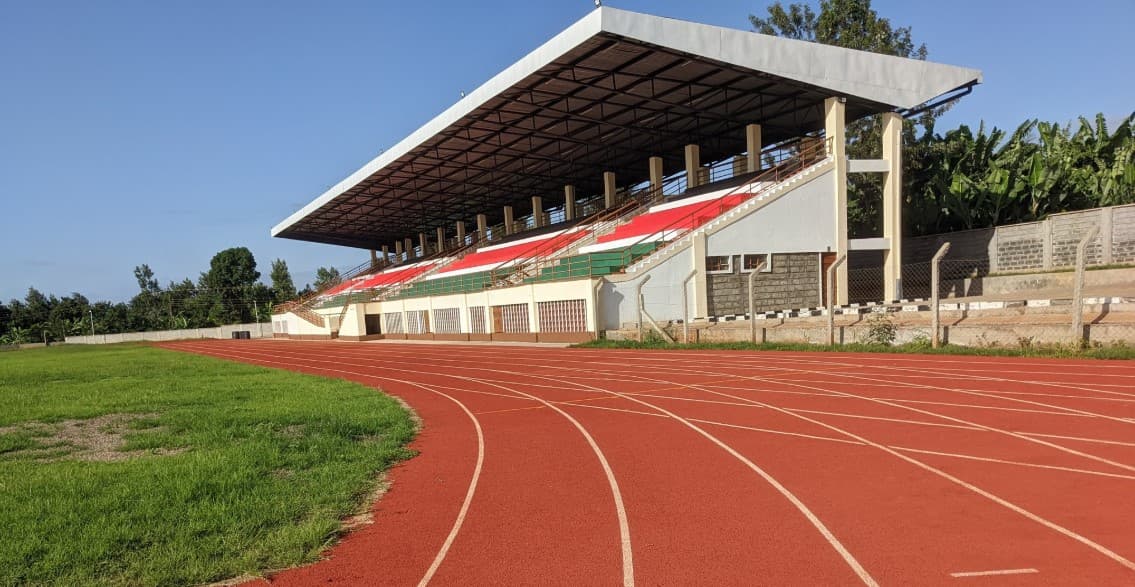
Had the Kipchoge Keino Stadium in Eldoret named in his honour in 1996.
Served as President of the National Olympic Committee of Kenya from 1999 to 2017.
Established the Kipkeino Primary School in 1999.
Appointed as an honorary member of the International Olympic Committee (IOC) in 2000.
Established the Kip Keino Secondary School in 2009.
Received the Olympic Order in 2011 for his contributions to the Olympic Movement.
Inducted as one of the 24 inaugural members of the IAAF Hall of Fame in 2012.
Awarded the first-ever Olympic Laurel at the Rio 2016 Opening Ceremony for his service to the Olympic Movement.
Had the Jovian asteroid 39285 Kipkeino named in his honour by the International Astronomical Union in 2021.