We're loading the full news article for you. This includes the article content, images, author information, and related articles.
After more than a decade of false starts, the Kenyan government has resumed construction of the 15,000-seater Kipchoge Keino Stadium in Eldoret.
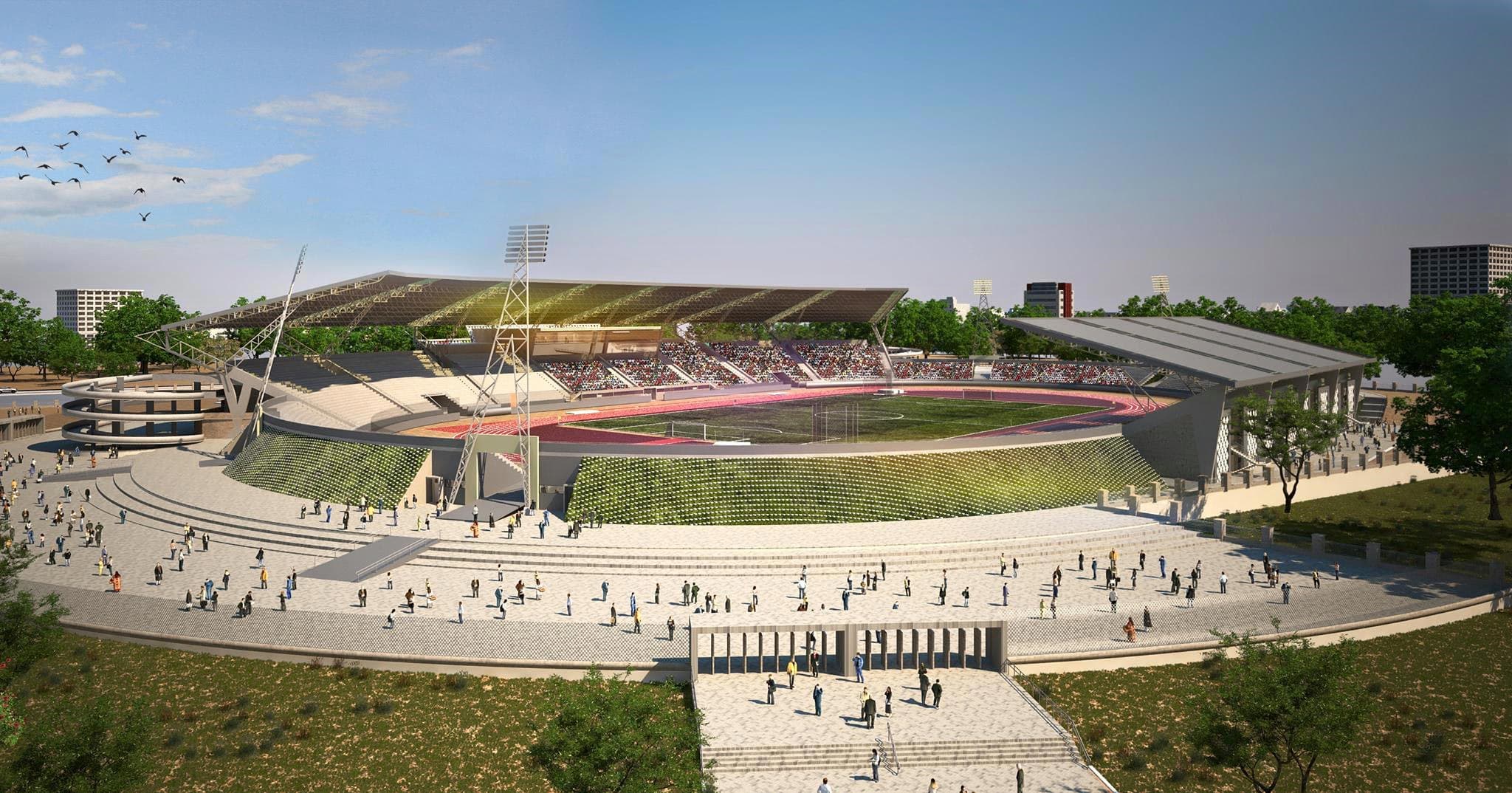
After more than a decade of false starts and broken promises, the Kenyan government has officially resumed the construction of the 15,000-seater Kipchoge Keino Stadium in Eldoret, racing against time to prepare for the 2027 Africa Cup of Nations.
The relentless hum of heavy machinery has finally returned to the heart of Uasin Gishu County. The Kipchoge Keino Stadium, a project that has embarrassingly languished in a state of dereliction for over ten years, is undergoing a massive, high-stakes resurrection. Spurred by looming international deadlines, the national government has injected fresh capital and political will into the iconic venue.
This development is of paramount economic and cultural significance. Eldoret, globally revered as the "City of Champions," produces the lion's share of Kenya's world-beating distance runners. Yet, paradoxically, the region has been starved of world-class sporting infrastructure. Completing this stadium is not merely about hosting football tournaments; it is about rectifying a historical injustice to the athletes who have single-handedly branded the nation on the global stage.
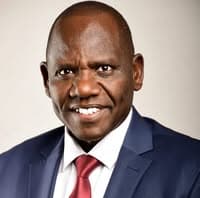
The recent inspection tour led by Sports Kenya Director General Timothy Kilimo revealed a renewed sense of urgency. The project, now entrusted to the Chinese engineering firm Sinohydro Corporation and closely supervised by the Kenya Defence Forces (KDF), is reportedly operating on strict, non-negotiable timelines.
With an estimated budget of KES 3.5 billion (approx. $24 million), the scope of the upgrade is monumental. The government has already wired an advance payment of KES 300 million to ensure uninterrupted progress. Kilimo reported that the overall progress currently stands at an encouraging 33 percent, firmly dismissing fears of another stall.
"We have a time schedule to complete this project by the end of this year, and we are confident that by the end of the year, we will be done with the stadium," Kilimo assured the press.
The architectural blueprint for the revived stadium is ambitious, aimed at securing crucial international certifications that have previously eluded regional Kenyan venues. The facility is being meticulously tailored to meet both FIFA requirements for football and World Athletics mandates for track events.
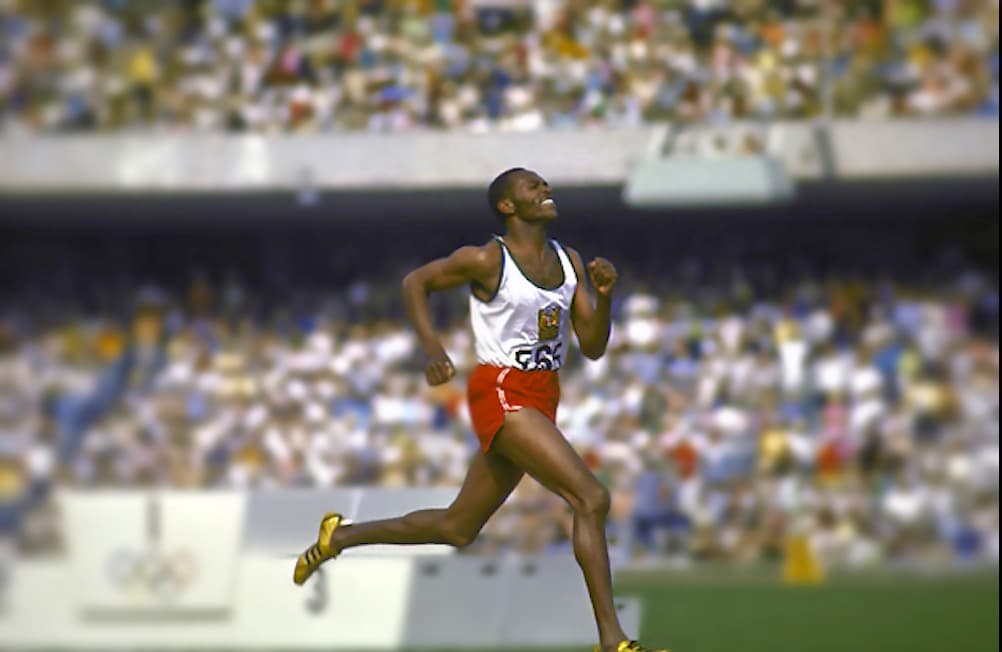
The stadium, aptly named after the father of Kenyan track racing, 1968 Olympic 1500m champion Kipchoge Keino, has an agonizing history of political grandstanding. It was last utilized in a significant capacity during the chaotic national trials for the 2016 Rio Olympics, where fans packed the dilapidated terraces to the rafters.
Uasin Gishu Governor Jonathan Bii expressed cautious optimism during the site visit, acknowledging the collective frustration of the North Rift counties. "We have harvested thousands of medals, but we have nothing to show," Bii lamented, adding that upon the completion of this project, contractors will immediately pivot to upgrading the nearby 64 Stadium.
With parliamentary oversight committees warning that "heads will roll" if further delays occur, the government has decisively tethered its political credibility to the completion of this monument. For the City of Champions, the waiting game might finally be over.
Keep the conversation in one place—threads here stay linked to the story and in the forums.
Sign in to start a discussion
Start a conversation about this story and keep it linked here.
Other hot threads
E-sports and Gaming Community in Kenya
Active 9 months ago
The Role of Technology in Modern Agriculture (AgriTech)
Active 9 months ago
Popular Recreational Activities Across Counties
Active 9 months ago
Investing in Youth Sports Development Programs
Active 9 months ago
Key figures and persons of interest featured in this article