We're loading the complete profile of this person of interest including their biography, achievements, and contributions.
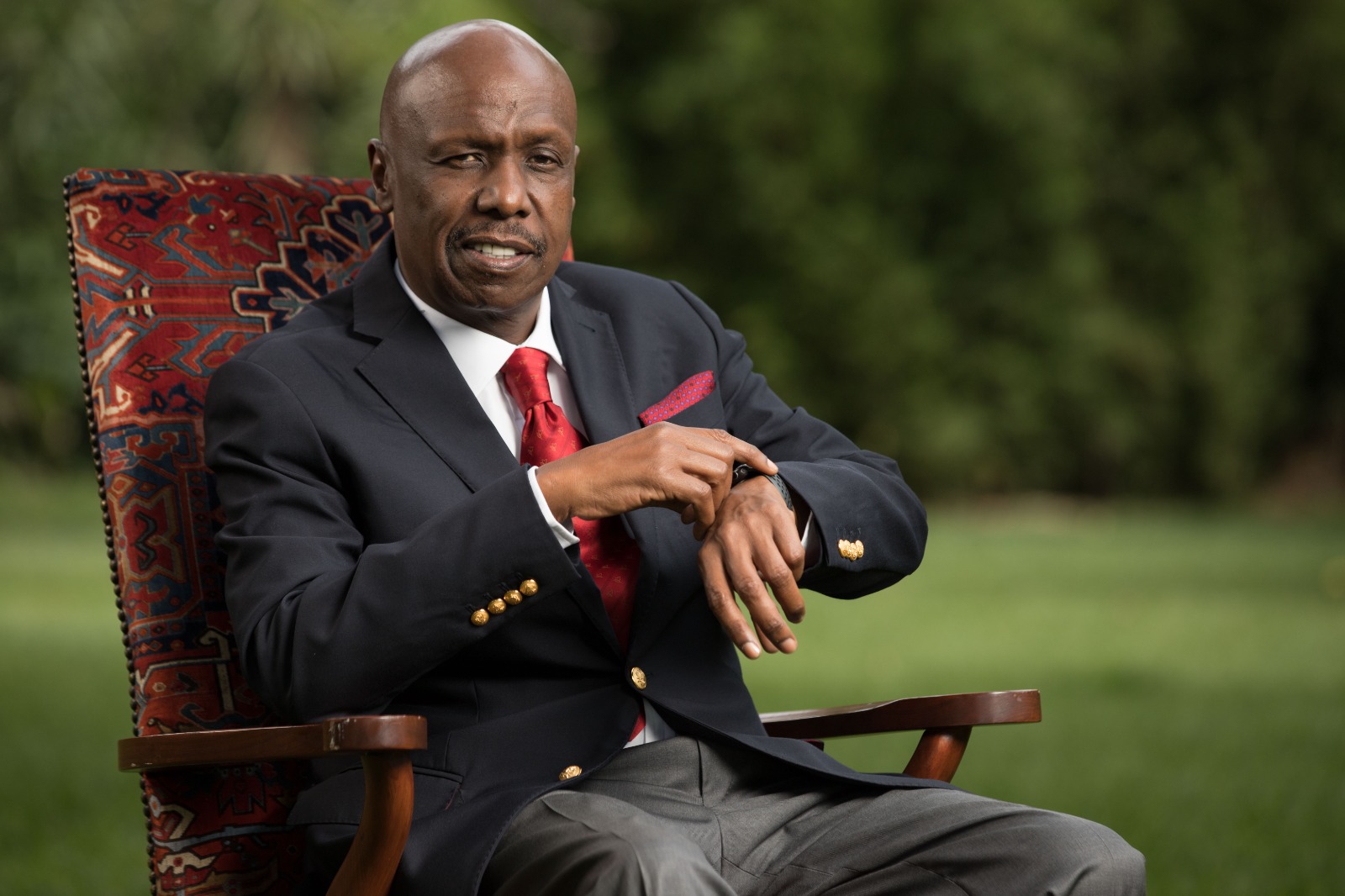

Party Leader, KANU
Public Views
Experience
Documented career positions
Gideon Kipsielei Towett Moi (born 22 October 1963) is a Kenyan politician, businessman and party leader who has been the national chairman and de facto party leader of the Kenya African National Union (KANU) since 2012, succeeding Uhuru Kenyatta. A son of Kenya’s second president, Daniel arap Moi, and Lena Moi, he first entered elective politics in 2003 as Member of Parliament for Baringo Central, a seat previously held by his father. He later served as Senator for Baringo County for two consecutive terms from 2013 to 2022, during which he chaired key Senate committees and positioned himself as a potential presidential contender before shelving a 2022 bid to back Raila Odinga under the Azimio la Umoja coalition. Beyond politics, Moi is widely regarded as the primary steward of the Moi family’s extensive commercial interests following his father’s death in 2020. The family empire spans logistics (Siginon Group and Siginon Aviation), media (Standard Group PLC, including KTN and The Standard), agriculture and floriculture (Kiptagich Tea Estate, Sasine Group farms, Sian Roses, Fresh Produce Ltd), real estate and infrastructure, with estimates placing the wider Moi holdings in the multi-billion-dollar range. Recent reporting has highlighted his role in consolidating and defending this portfolio amid shifting political alliances, including a pragmatic rapprochement with President William Ruto even as he continues to lead KANU in opposition politics.
AI-powered civic intelligence rating
Elected Baringo Senator in 2013 with more than 80% of the vote, securing re-election in 2017 and using the platform to chair influential Senate committees, including the ICT Committee, where he oversaw scrutiny of national ICT policy and digital infrastructure.
As KANU chairman since 2012, revitalised the independence party as a coalition player—backing Uhuru Kenyatta’s re-election in 2017, negotiating KANU’s entry into the 2022 Azimio la Umoja coalition and positioning the party as a swing actor in national coalition politics despite its reduced parliamentary strength
His political career has long been framed against accusations of dynastic privilege, with critics arguing that his rise reflects inherited power and wealth rather than grassroots struggle; supporters counter that he has built his own base in Baringo and within KANU through electoral victories and party leadership
Reports on the Moi family business empire have periodically sparked debate about historical land acquisitions, state patronage and market dominance, putting Gideon—now seen as custodian of these interests—under scrutiny over issues of economic inequality and the legacy of his father’s rule, even though many allegations remain politically contested rather than adjudicated in court.
Emerged as the public face of the Moi business empire, overseeing and defending a diversified portfolio across logistics, media, agriculture, real estate and telecommunications, including significant stakes in Siginon Group, Standard Group, Sian Roses and major tea estates—assets that make the family one of Kenya’s wealthiest.
In October 2024, appointed Chairperson of the Commonwealth Secretariat’s election observation expert team for Botswana’s general election, extending his profile from domestic politics to regional democracy and governance work under a multilateral umbrella
In 2023, coverage of AfDB’s withdrawal of funding from the Sosian Menengai geothermal project after a Moi-linked company bought a majority stake fed public speculation about governance and risk concerns in projects associated with his name, although the bank’s detailed risk assessments are not fully public and no personal wrongdoing has been legally established
His recent overtures toward cooperation with President William Ruto—including stepping back from some electoral contests and pursuing political truces—have triggered internal backlash from parts of KANU’s youth and grassroots structures, who accuse him of abandoning opposition principles and prioritising business and survival interests over ideology.