We're loading the complete profile of this person of interest including their biography, achievements, and contributions.
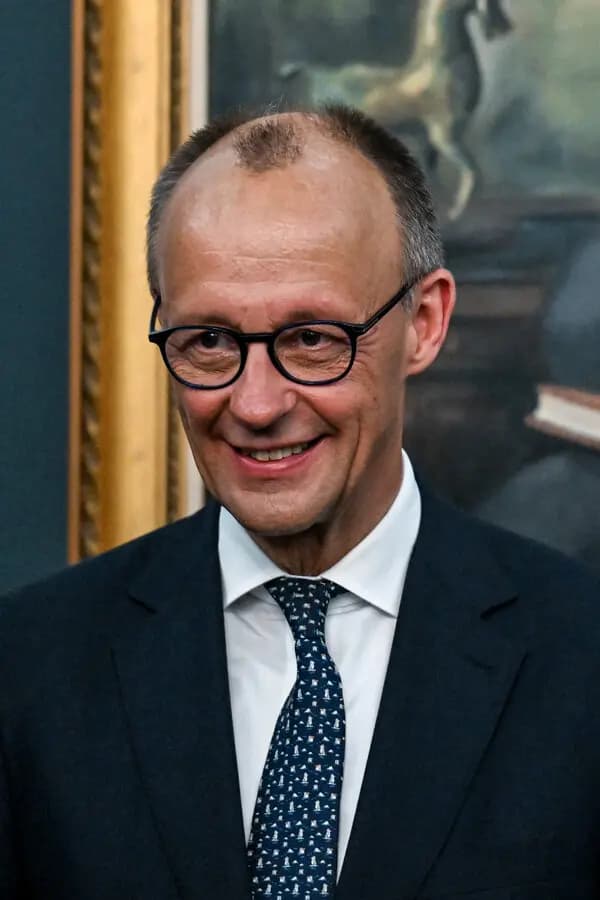
Chancellor of Germany
Public Views
Experience
Documented career positions
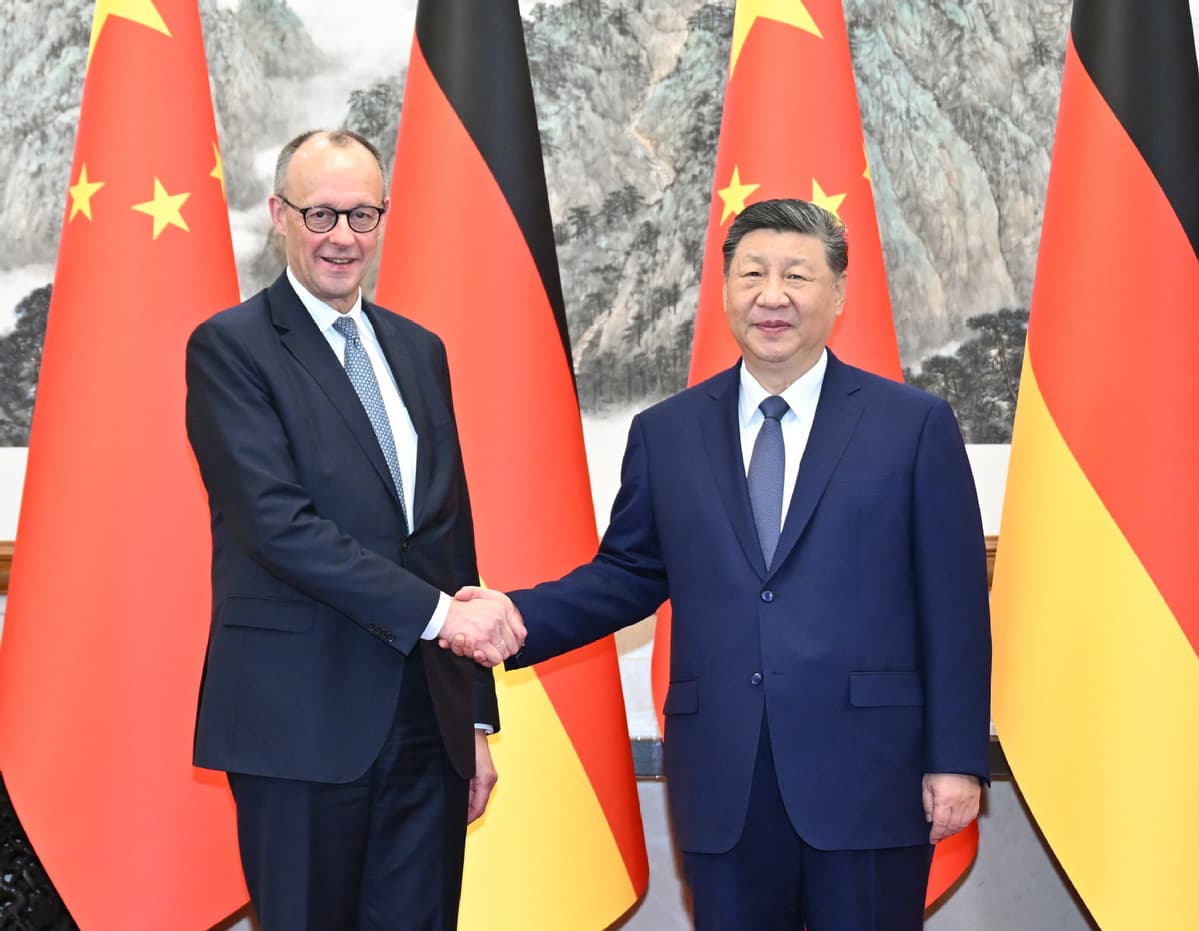
Joachim-Friedrich Martin Josef Merz, known professionally as Friedrich Merz, is a German politician, lawyer, and corporate executive who has served as the Chancellor of Germany since May 6, 2025. A long-time figure in the Christian Democratic Union (CDU), Merz is known for his advocacy of conservative economic policies, Atlanticist foreign policy, and his efforts to reshape the CDU’s identity following the tenure of his predecessor, Angela Merkel. Born on November 11, 1955, in Brilon, in the state of North Rhine-Westphalia, Merz was raised in a Catholic family with a strong legal tradition; his father served as a judge. Merz pursued legal studies at the University of Bonn and the Philipps University of Marburg, completing his education in 1985. Following his studies, he served as a judge and later entered the private legal sector, establishing a career that would later see him move between public service and corporate boardrooms. Merz’s political career began in earnest in the late 1980s. He was elected to the European Parliament in 1989, serving until 1994, when he successfully transitioned to the German Bundestag. He became a prominent, albeit sometimes controversial, conservative voice within the CDU. In 2000, he was elected as chairman of the CDU/CSU parliamentary group, establishing himself as a leader of the opposition during the chancellorship of Gerhard Schröder. However, as the CDU shifted under Angela Merkel’s leadership, Merz found himself increasingly at odds with the party's move toward the political center. After a long-standing, often publicized rivalry with Merkel and losing influence within the parliamentary group, he exited national politics in 2009 to focus on his career as a corporate lawyer and lobbyist. During this period, he held significant roles in the private sector, including a notable position as the chairman of the German branch of investment firm BlackRock from 2016 to 2020. Merz made a high-profile return to politics in 2018, capitalizing on the political opening created by Merkel’s decision not to seek another term. After two unsuccessful bids for the CDU leadership in 2018 and 2021, he was elected party leader in January 2022, shortly after returning to the Bundestag in 2021. As leader of the CDU/CSU and the primary opposition, he sought to distinguish his party from the Merkel era, focusing on stricter migration controls, revitalizing Germany's economic competitiveness, and asserting a more proactive role for Germany in European security affairs. Following the collapse of the incumbent government in 2024, early federal elections were held in February 2025. The CDU/CSU emerged as the largest party, though it required a coalition partner to secure a parliamentary majority. After extensive negotiations, Merz formed a coalition with the Social Democratic Party (SPD). On May 6, 2025, after a historic first round of voting in which he narrowly failed to secure an absolute majority, Merz was elected Chancellor of Germany in a second parliamentary ballot. As Chancellor, Merz has prioritized the modernization of the German economy, the strengthening of transatlantic ties, and the maintenance of robust military support for Ukraine. His chancellorship has faced significant domestic challenges, including economic stagnation, internal coalition friction, and the political rise of the far-right. As of early 2026, he continues to navigate these complexities, balancing his conservative policy agenda with the pragmatic requirements of a broad coalition government. Merz is married to Charlotte Merz, also a judge, and they have three children. He is a licensed private pilot and maintains a strong interest in aviation.
Elected Chancellor of Germany (May 2025), returning the conservative CDU to power after four years in opposition
Successfully united the deeply fractured CDU/CSU alliance after the Merkel era, dragging the party back toward its traditional conservative roots regarding fiscal policy and immigration
Dramatically accelerated the modernization of the Bundeswehr (German Armed Forces), firmly committing Germany to long-term defense spending above NATO requirements
His reliance on the Social Democratic Party (SPD) as a junior coalition partner severely limits his ability to pass the radical domestic economic reforms he promised during the election campaign
Fiercely criticized by the progressive Greens for dismantling key climate initiatives and openly exploring the reactivation of nuclear power to lower industrial energy costs
Frequently accused by left-wing opponents of being out of touch with the working class due to his immense personal wealth (earned during his time in the private sector at BlackRock) and his ownership of private aircraft
News articles featuring Friedrich Merz
Served as Chairman of the Atlantik-Brücke, fostering deep diplomatic and corporate ties between Germany and the United States
Joined the Young Union, the youth organization of the Christian Democratic Union (CDU), in 1972.
Elected as a Member of the European Parliament in 1989, serving until 1994.
Elected as a Member of the German Bundestag in 1994, representing the constituency of Hochsauerland.
Appointed as vice-chairman of the CDU/CSU parliamentary group in the Bundestag in 1998.
Served as Chairman of the CDU/CSU parliamentary group and Leader of the Opposition in the Bundestag from 2000 to 2002.
Left the Bundestag in 2009 to focus on his legal and business career, including roles at Mayer Brown and as senior counsel.
Served as chairman of the supervisory board of BlackRock Germany from 2016 to 2020.
Returned to the Bundestag after being elected in the 2021 federal election.
Elected as the Chairman of the Christian Democratic Union (CDU) in December 2021, formally taking office in January 2022.
Assumed the role of Leader of the Opposition in the Bundestag in February 2022, serving until May 2025.
Designated as the CDU/CSU Union's candidate for Chancellor of Germany in September 2024.
Elected as the Chancellor of Germany by the Bundestag on May 6, 2025.
In October 2025, Merz faced widespread backlash and accusations of using divisive, racist rhetoric after he described irregular migrants as a 'problem in the cityscape' (Stadtbild) during public remarks. While he later clarified he was referring specifically to illegal migrants, the comments prompted mass protests and sharp criticism from coalition partners and opposition parties alike.
In July 2025, Merz faced a wave of over 1,000 legal complaints filed with the German Attorney General's office, with critics alleging his government's policy of continuing arms exports to Israel constituted complicity in war crimes during the conflict in Gaza.
In June 2025, Merz drew significant condemnation for stating that Israel was performing the West's 'dirty work' by striking Iranian military and nuclear infrastructure. The remark sparked a public petition calling for him to be held accountable in Federal Court, with critics arguing the statement endorsed aggression that violated international law.
Throughout his career, Merz has faced persistent scrutiny and criticism regarding his previous private sector roles, particularly as the chairman of the supervisory board for BlackRock's German branch from 2016 to 2020. Detractors have frequently alleged potential conflicts of interest, arguing that his policy advocacy, particularly on pension reform and financial regulation, aligned with the interests of his former employer.