We're loading the full news article for you. This includes the article content, images, author information, and related articles.
Prime Minister Viktor Orbán has paralyzed a €90bn EU aid package for Ukraine, leveraging energy dependence to stall support amidst the ongoing war.

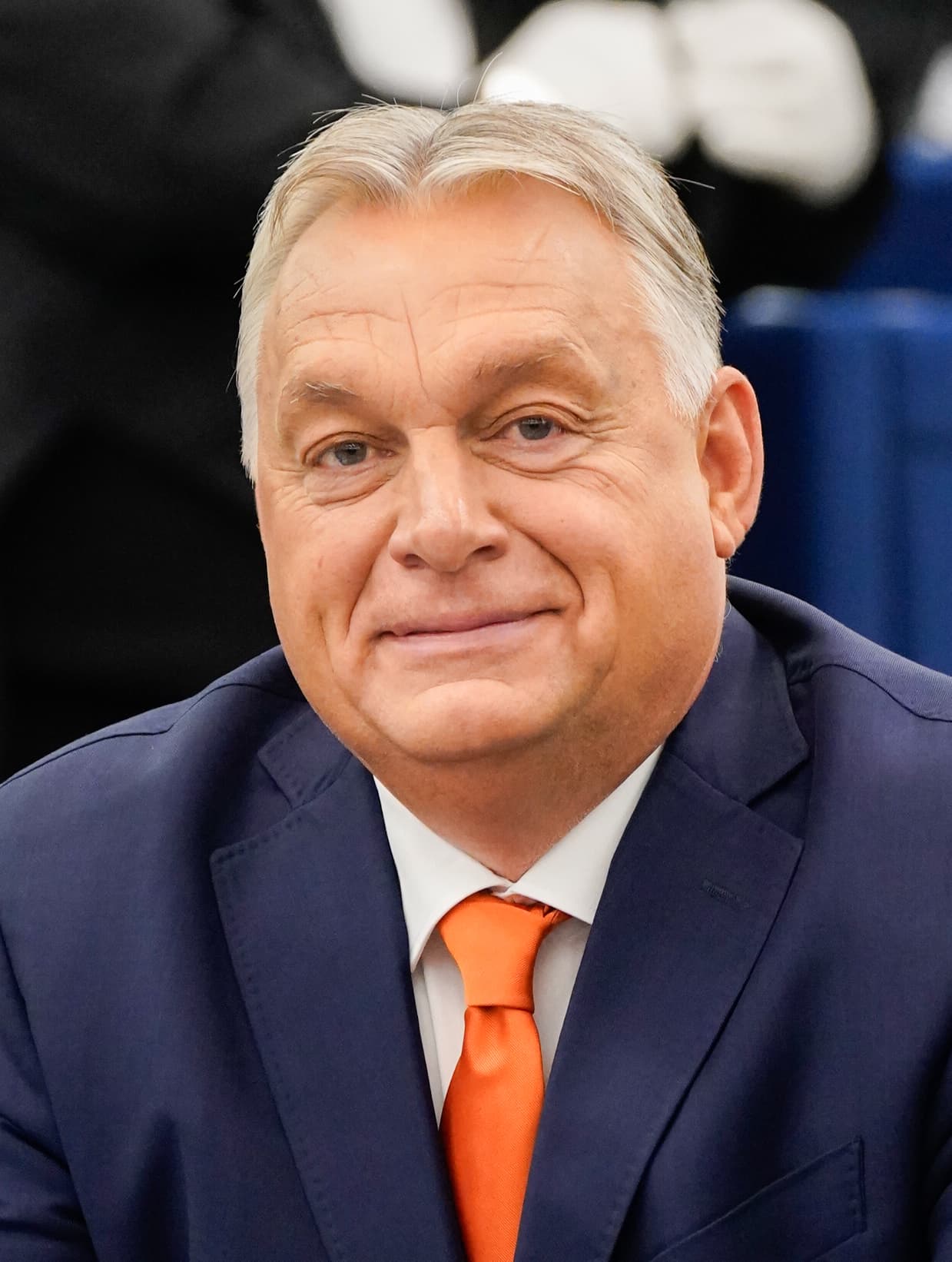
Brussels erupted in diplomatic turbulence this week as Hungarian Prime Minister Viktor Orbán paralyzed a massive €90 billion (approximately KES 13.95 trillion) financial aid package destined for Ukraine. The decision, delivered during a late-night summit, has ignited a firestorm of criticism across the continent, with European Union leadership explicitly labelling the move an act of blackmail that threatens the integrity of the bloc’s collective security strategy.
This impasse is far from a mere bureaucratic hurdle. It represents a fundamental fracture in the European Union’s unified front against the Kremlin, as the war in Ukraine enters a precarious new phase. For observers in Nairobi and across East Africa, the diplomatic deadlock signals a destabilizing trend in global geopolitics, where essential humanitarian and defense aid becomes hostage to national energy disputes. With the EU now reeling from this internal revolt, the economic repercussions—specifically regarding energy commodity prices—threaten to ripple far beyond the borders of Central Europe, impacting fuel inflation rates in markets as distant as Kenya.
At the center of this geopolitical standoff is the Druzhba pipeline, a Soviet-era engineering marvel that has long served as a vital artery for Russian crude oil flowing into Hungary and Slovakia. Prime Minister Orbán has justified his blockade of the aid package by citing the disruption of this flow, alleging that Ukraine has failed to adequately repair the pipeline following damage sustained from Russian air strikes in January. The Hungarian administration argues that without these energy imports, its economy faces an existential threat.
Kyiv, however, presents a starkly different narrative. Ukrainian officials maintain that repairing the pipeline while the war continues would effectively neutralize a key element of the existing sanctions regime against Moscow. By prioritizing the restoration of Russian energy flows, they argue, Hungary is essentially undermining the collective economic pressure the EU has painstakingly built against the Kremlin. This discrepancy highlights the increasingly blurred lines between energy security and military alignment, placing the EU in an impossible position: how to support a partner at war while managing the survival needs of a dissenting member state.
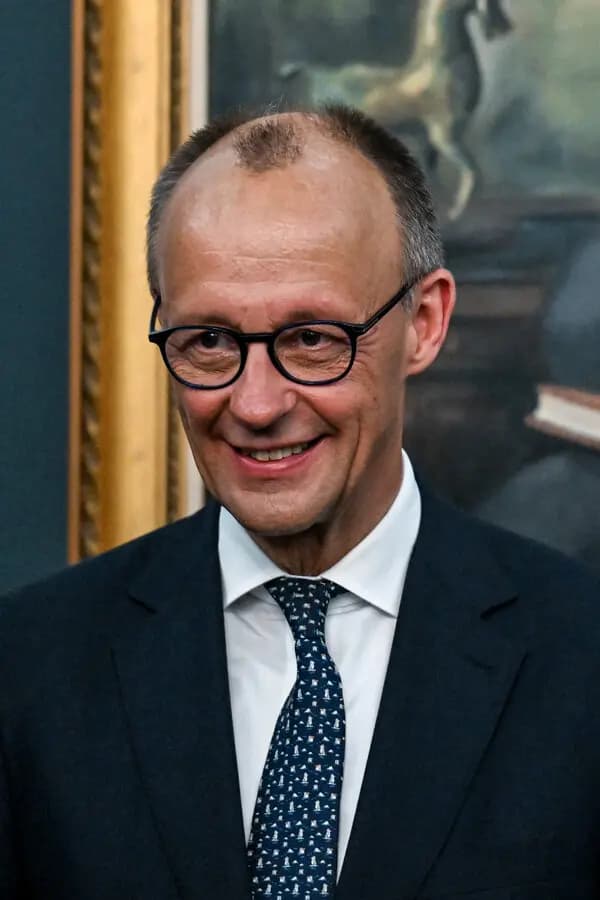
The intensity of the fallout was palpable in the corridors of the European Council. German Chancellor Friedrich Merz, usually known for measured diplomacy, departed from the typical reserved protocol to publicly denounce the action as a gross act of disloyalty. His sentiment was echoed by the President of the European Council, António Costa, who did not mince words, describing the maneuver as nothing short of blackmail. The sentiment among long-standing council members was reportedly one of profound anger, suggesting that this incident may permanently alter the trust dynamics within the union.
Analysts note that this is not an isolated policy disagreement but a calculated political maneuver ahead of Hungary’s upcoming elections on 12 April. Orbán’s administration is banking on a narrative of national protectionism, positioning itself as the sole defender of Hungarian interests against perceived external interference from Brussels and regional instability from Kyiv. This rhetoric has proven effective in solidifying his domestic base, but it comes at the high cost of isolation within the European bloc. The long-term damage to the EU’s decision-making efficacy remains to be seen, though many experts warn that the veto power, if weaponized in this manner, could stall critical integration and policy efforts for years to come.
For an informed reader in Nairobi, this dispute is not merely a European inconvenience it is a precursor to global market volatility. The weaponization of energy infrastructure is a playbook that creates unpredictable spikes in global commodity prices. When the European market enters a period of uncertainty, supply chain disruptions often follow, leading to fluctuating costs for imported refined petroleum products in East Africa. If Hungary’s veto leads to a prolonged energy crisis in Central Europe, the resulting demand shifts can contribute to inflationary pressures on global energy markets, directly affecting the price of diesel and petrol at the pump in Kenya.
Furthermore, the stalemate serves as a cautionary tale for regional blocs like the East African Community. The difficulty of maintaining a cohesive foreign policy when national interests diverge is a universal challenge in international relations. When a member state prioritizes immediate resource security over long-term alliance commitments, the entire coalition suffers from a weakened negotiating position. As the EU grapples with this internal insurrection, the international community watches with bated breath to see if the bloc can reconcile these competing demands without losing its strategic relevance.
The impasse persists with no immediate resolution in sight. As European leaders scramble to mitigate the damage, the question remains whether the EU can forge a mechanism to prevent such critical aid from being sidelined by individual grievances. The fate of millions in Ukraine depends on the answer, as does the future of a united European vision.
Keep the conversation in one place—threads here stay linked to the story and in the forums.
Sign in to start a discussion
Start a conversation about this story and keep it linked here.
Other hot threads
E-sports and Gaming Community in Kenya
Active 10 months ago
The Role of Technology in Modern Agriculture (AgriTech)
Active 10 months ago
Popular Recreational Activities Across Counties
Active 10 months ago
Investing in Youth Sports Development Programs
Active 10 months ago
Key figures and persons of interest featured in this article