We're loading the complete profile of this person of interest including their biography, achievements, and contributions.

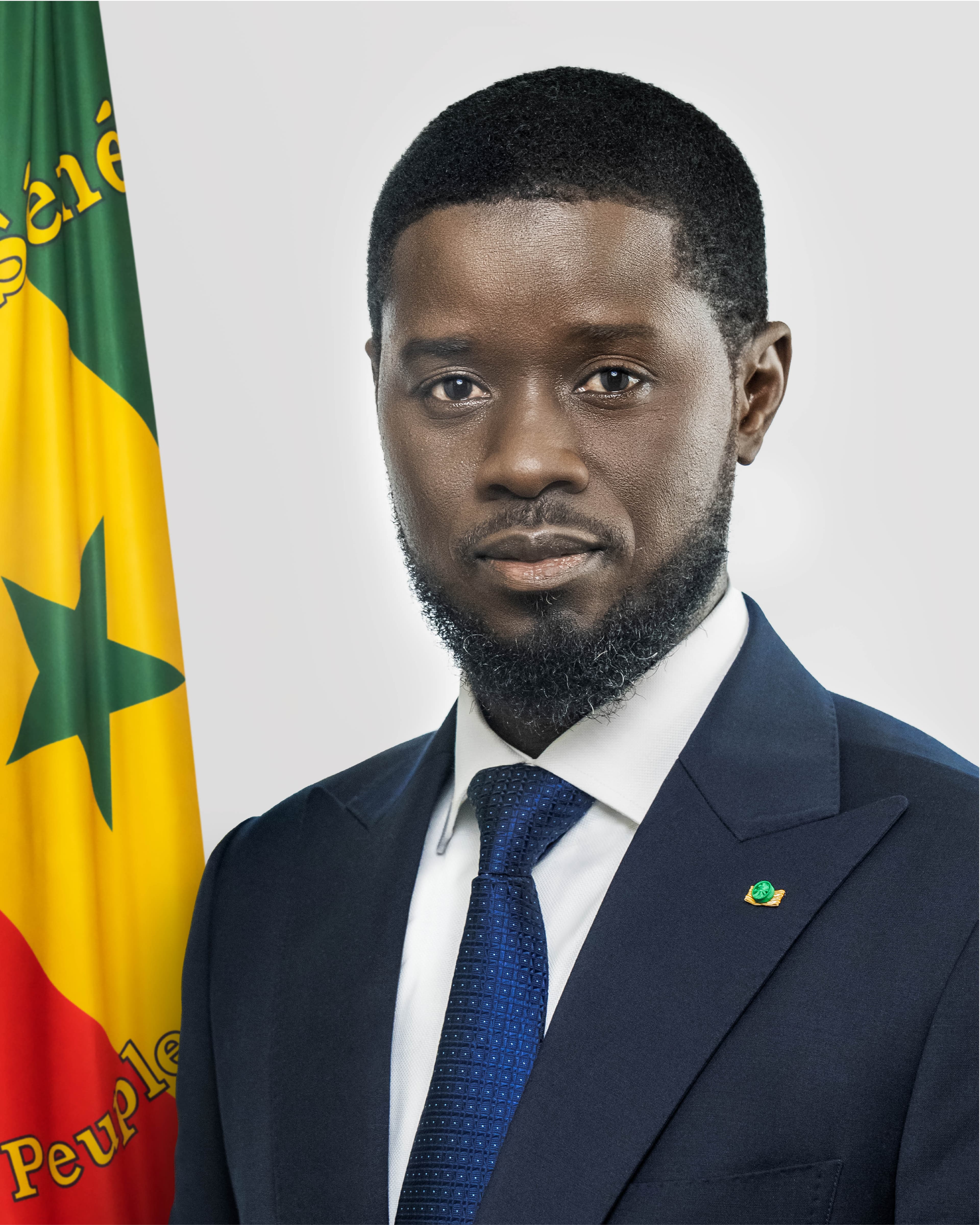
President of Senegal
Born
1980(46 yrs)
Region
Thiès
Public Views
Experience
Documented career positions
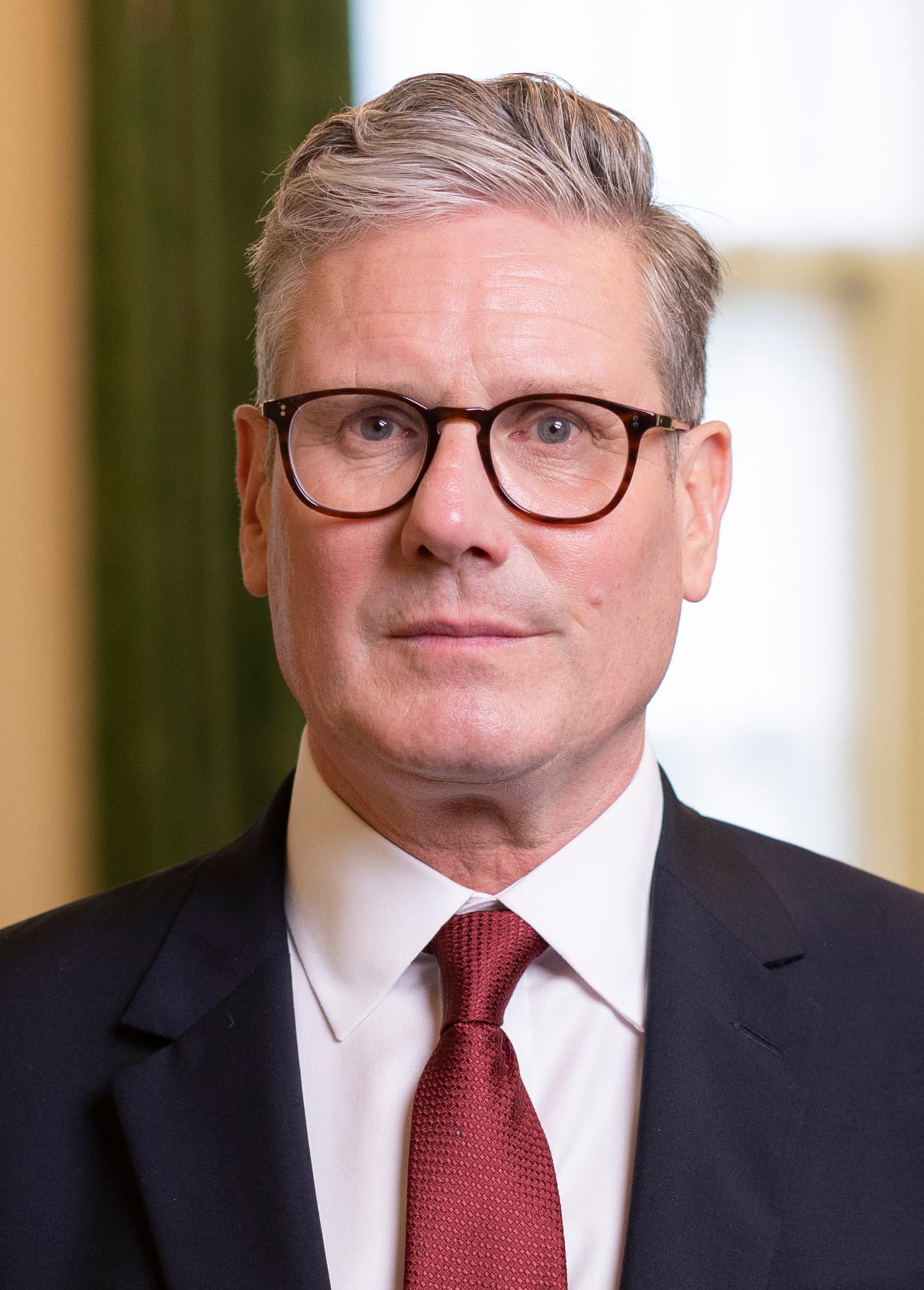
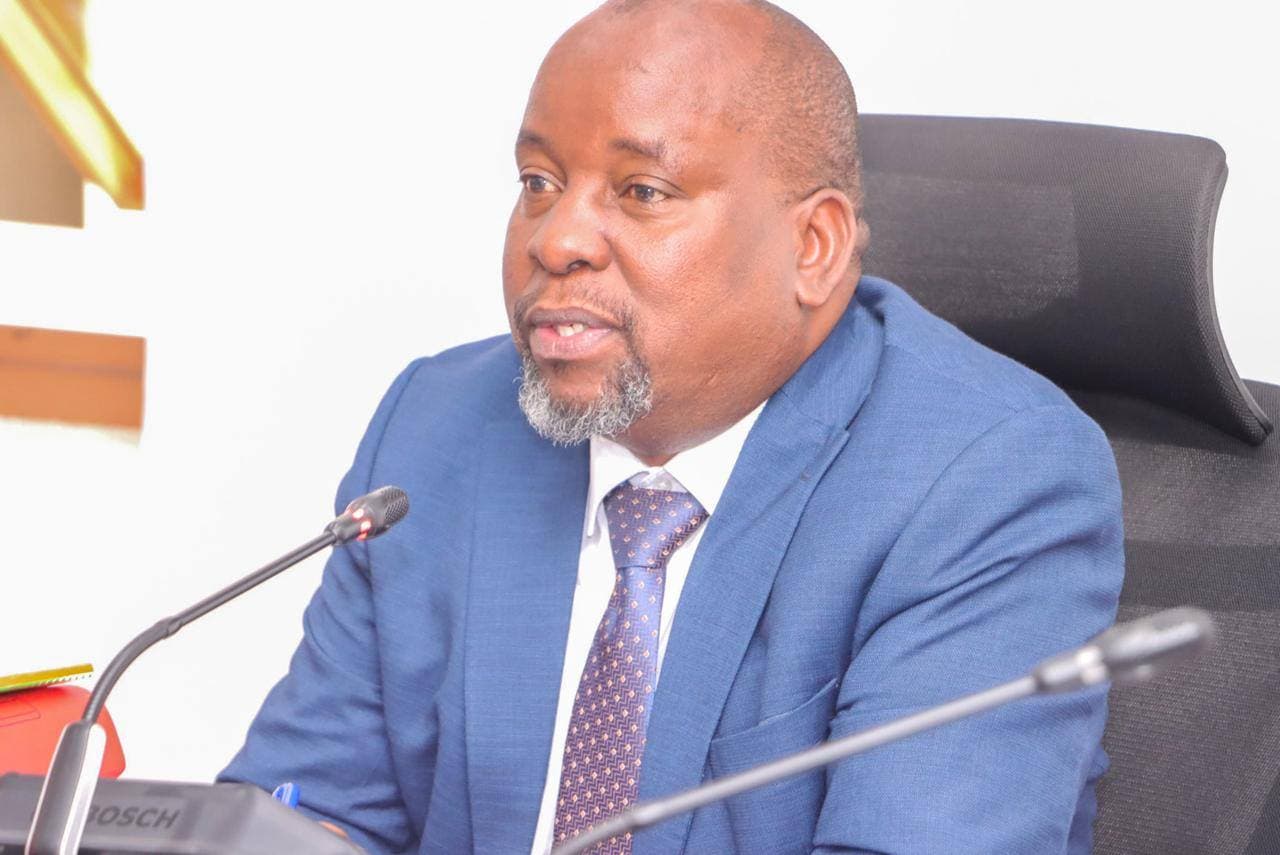
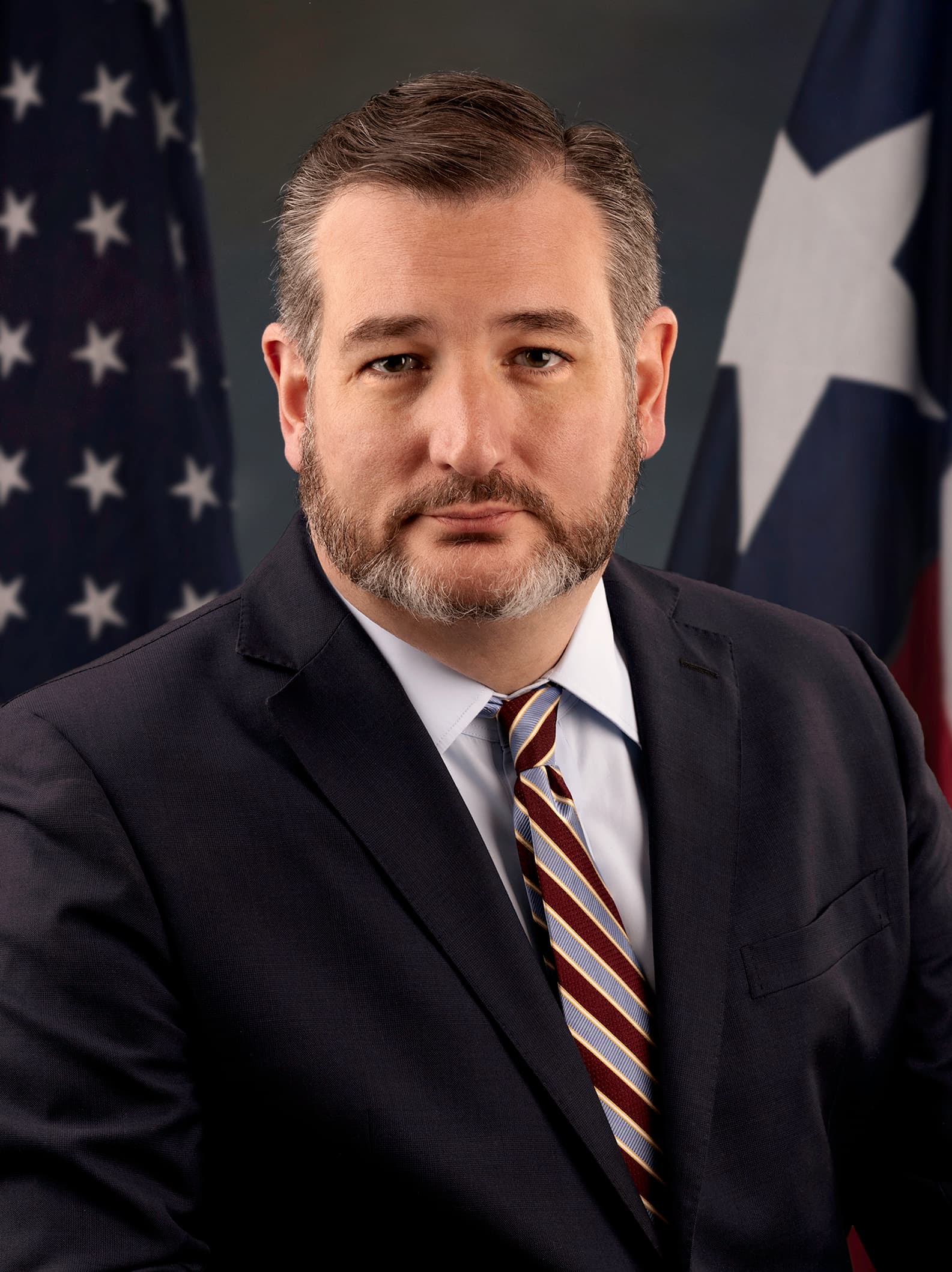
Bassirou Diomaye Diakhar Faye (born 25 March 1980 in Ndiaganiao, western Senegal) is the 5th President of Senegal, in office since 2 April 2024. A former tax inspector and finance official, he emerged from relative obscurity as the general secretary and chief ideologue of the opposition party PASTEF – Les Patriotes, closely aligned with its charismatic leader Ousmane Sonko. Arrested in April 2023 on charges including defamation and dissemination of false news, he spent nearly a year in prison before being released in March 2024 under an amnesty law—just days before the presidential poll. Supported by Sonko, who had been barred from running, Faye won a historic first-round victory with about 54% of the vote at age 44, making him Africa’s youngest democratically elected president. His presidency was built on a platform of “sovereignty,” anti-corruption and rupture with the old order. Faye has promised a systemic break from what he calls “French economic stranglehold,” vowing to audit and renegotiate oil, gas and mining contracts, pursue greater monetary autonomy from the CFA franc, and restore public trust through institutional and constitutional reform. In his first months, he ordered an audit of the extractive sectors, appointed Sonko as prime minister, and signalled a more assertive but still pragmatic foreign policy, seeking to keep Mali, Niger and Burkina Faso within ECOWAS while acknowledging their new Sahel alliance.
AI-powered civic intelligence rating
Youngest democratically elected African president: Won Senegal’s 2024 presidential election at age 44, with a first-round majority of roughly 54%, amid widespread frustration with the political establishment.
From prison to presidency in weeks: Released in March 2024 under an amnesty law covering protest-related offences, he rapidly campaigned and secured victory, turning a narrative of persecution into a powerful mandate for change.
Radical “rupture” vs. governing constraints: Elected on promises of systemic break with the old regime, Faye has faced criticism that the pace and depth of change are slower than expected, constrained by public finances, institutional inertia and early tensions within the ruling camp.
CFA franc and monetary sovereignty debates: His pledge to reform or eventually exit the CFA franc has unsettled some investors and neighbours; he has since nuanced his stance, talking first of regional monetary reform before any move to a national currency.
Relationship with Ousmane Sonko: While the “Diomaye–Sonko” partnership underpins his electoral success, emerging tensions and public criticisms by Sonko have raised questions about internal cohesion and future leadership dynamics within PASTEF.
News articles featuring Bassirou Diomaye Faye
Launched audit of extractive industries: Early in his term he ordered a comprehensive audit of the mining, oil and gas sectors and signalled intent to renegotiate key contracts so that resource wealth benefits Senegalese citizens.
Reframed sovereignty and youth leadership discourse: His rise, framed around sovereignty, anti-corruption and pan-African renewal, has become a reference point in debates about generational change and leadership across Africa.
Handling of protest-era accountability: The 2024 amnesty law that enabled his release also initially shielded security forces and protesters from prosecution for deadly clashes; although later revised, rights groups continue to scrutinise whether victims of the 2021–2024 unrest will see full justice.