We're loading the full news article for you. This includes the article content, images, author information, and related articles.
Senegal’s President defies CAF, refusing to return the AFCON trophy as the nation challenges the controversial forfeit ruling in court.

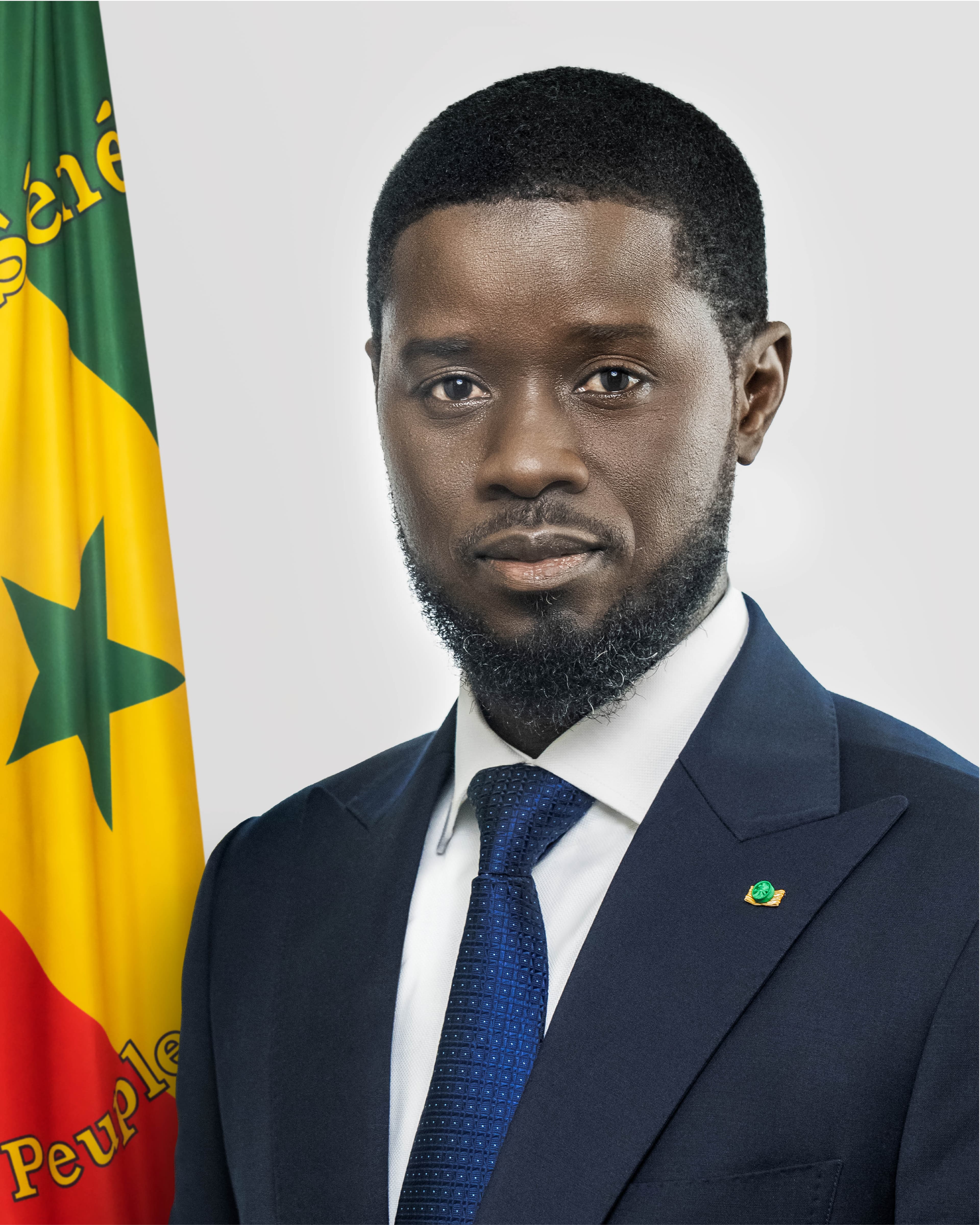
In a bold assertion of national sovereignty, Senegalese President Bassirou Diomaye Faye has turned the digital landscape into a battleground for sports diplomacy, updating his official social media profile picture to feature the Africa Cup of Nations trophy just days after the Confederation of African Football (CAF) officially stripped Senegal of the title.
This deliberate visual statement comes amid a volatile standoff between Dakar and the continental football governing body. While CAF has retrospectively awarded the 2025 tournament final to Morocco with a 3-0 forfeit scoreline following a controversial player walk-off, the Senegalese government has dug in its heels, signaling a refusal to recognize the administrative reversal of their hard-fought on-pitch victory.
The controversy stems from the dramatic final match held on January 18, 2026, at the Prince Moulay Abdellah Stadium in Rabat. Senegal, led by their talismanic captain Kalidou Koulibaly, had initially secured a 1-0 victory after extra time, a triumph that sparked nationwide celebrations across Dakar and the Senegalese diaspora. However, the game was marred by chaotic scenes when the Senegalese team briefly walked off the pitch to protest a late penalty decision awarded to Morocco.
While the team returned to complete the match and ultimately win, the Confederation of African Football Appeal Board ruled on March 17, 2026, that the walk-off constituted a violation of tournament regulations under Article 84. The administrative ruling declared the match a 3-0 forfeiture, effectively transferring the championship crown to host nation Morocco. Legal experts note that this is an extraordinary step in continental football history, turning a settled sporting result into a boardroom casualty.
For President Faye, the decision to retain the trophy is as much about domestic political capital as it is about sporting integrity. In Senegal, football is often inextricably linked to national identity, and the "Teranga Lions" serve as a potent symbol of resilience. By aligning himself with the team’s refusal to surrender the trophy, the President has effectively captured the mood of a public that views the CAF decision not as a regulatory correction, but as an affront to their national pride.
Political analysts in Dakar suggest that the move is calculated. With the Senegalese Football Federation already preparing a formal challenge to the Court of Arbitration for Sport, the President’s public stance ensures that the legal battle is framed as a defense of the nation rather than a dispute between a federation and a governing body. The trophy, currently residing in Senegal, remains the most tangible point of contention in this administrative tug-of-war.
The fallout extends beyond the prestige of the championship. Following their initial victory, the Senegalese government invested significantly in celebrating the team, including a public holiday and substantial financial incentives. Each player was awarded 75 million CFA francs—approximately KES 16.5 million—and plots of land along the prestigious Petite Côte. Reversing the status of the victory creates an uncomfortable administrative paradox for the government, which has already disbursed these rewards for a title that is now officially contested.
Furthermore, the tension reveals a deepening rift within African football governance. Critics of the CAF decision argue that the retrospective application of a 3-0 forfeit, despite the match being concluded on the pitch, sets a dangerous precedent. Observers at the University of Dakar have questioned whether regulatory rigidity is overriding the spirit of the game, potentially damaging the commercial and cultural value of the tournament for future hosts and participants.
All eyes now turn to the Court of Arbitration for Sport (CAS). As the Senegalese authorities refuse to return the trophy, the situation enters a complex legal phase that could last for months. While CAF has yet to issue an ultimatum regarding the potential consequences of withholding the physical silverware, the standoff is unprecedented in the modern era of the tournament.
Whether the trophy ultimately remains in Dakar or is returned to Cairo or Rabat, the damage to the optics of the 2025 tournament is likely to linger. For now, President Faye’s digital profile serves as a reminder that in the high-stakes arena of modern African football, the match is often decided long after the final whistle has blown.
Keep the conversation in one place—threads here stay linked to the story and in the forums.
Sign in to start a discussion
Start a conversation about this story and keep it linked here.
Other hot threads
E-sports and Gaming Community in Kenya
Active 10 months ago
The Role of Technology in Modern Agriculture (AgriTech)
Active 10 months ago
Popular Recreational Activities Across Counties
Active 10 months ago
Investing in Youth Sports Development Programs
Active 10 months ago
Key figures and persons of interest featured in this article