We're loading the full news article for you. This includes the article content, images, author information, and related articles.
Senegal has enacted a harsh new anti-gay law, escalating penalties and sparking fears among human rights groups about a deepening regional crisis.

The legislative landscape of Senegal shifted dramatically this week as the National Assembly in Dakar voted to pass a rigorous piece of legislation targeting same-sex relations. The new law, which significantly enhances the punitive measures codified under the nation's existing penal statutes, marks a definitive move by the government to align domestic law with conservative social pressures. For the LGBTQ+ community, the passage of this bill is not merely a legal update it is a profound retraction of the limited civil space they previously occupied.
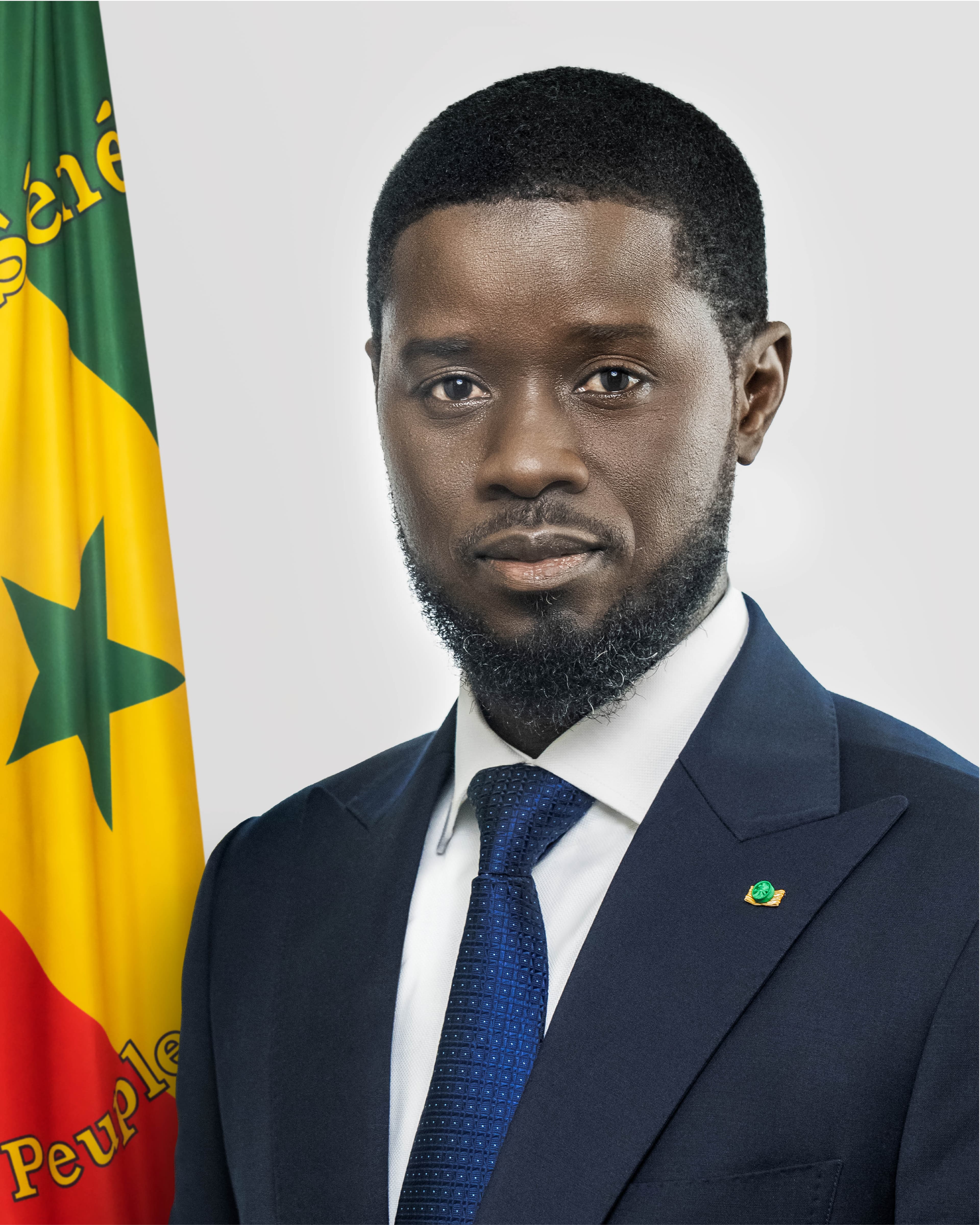
This development carries immediate and tangible consequences for the stability of human rights in the region. As the government of President Bassirou Diomaye Faye navigates the complex interplay between traditional cultural values and international legal standards, the legislation sets the stage for a period of heightened surveillance and potential state-sanctioned persecution. While proponents of the bill frame it as a necessary measure to protect national morality, rights activists warn of a deepening humanitarian crisis that will force vulnerable individuals further into the shadows.
The core of the legislation centers on the reclassification and escalation of penalties associated with acts labeled as against the order of nature. Under the previous iterations of the Senegalese Penal Code, Article 319 had long served as the primary mechanism for the prosecution of homosexuality, carrying prison terms that were often interpreted with judicial discretion. The new amendment removes that ambiguity, establishing mandatory minimum sentences that are substantially more punitive.
These changes effectively dismantle the grey areas where community organizers and activists previously operated. The financial burden on the state to implement these measures is significant, with projections suggesting an immediate budget allocation equivalent to approximately KES 320 million for enhanced surveillance and judicial training to enforce the new standards. For a nation grappling with economic headwinds, this expenditure signals the high political priority placed on the legislation.
In the quiet corners of Dakar, the atmosphere is one of profound apprehension. Interviews with local activists suggest that the law has already triggered a chilling effect, with many individuals opting to close down social support groups or delete digital platforms that could be misconstrued as promoting prohibited lifestyles. One community leader, speaking on the condition of anonymity due to safety concerns, described the legislation as a total blockade on the right to assembly.
Critics within the legal community argue that the haste with which the bill was pushed through the National Assembly circumvented necessary public discourse. Professor Amadou Diop of the University of Dakar noted that the legislation fails to address the constitutional guarantee of dignity for all citizens, creating a binary environment where state security is pitted directly against personal autonomy. The tension is palpable in urban centers, where the law is viewed by conservative factions as a triumph of cultural sovereignty and by human rights defenders as a tragic step backward.
The situation in Senegal does not exist in a vacuum it mirrors a broader trend across the African continent. This legislative action in Dakar resonates deeply with developments in East Africa, particularly the restrictive laws passed in Uganda and the ongoing parliamentary debates in Ghana. For readers in Nairobi, these parallels are stark. Kenya has faced its own intense public and judicial scrutiny regarding the registration of LGBTQ+ organizations, with the Supreme Court serving as a final arbiter of constitutional intent.
The regional movement toward stricter anti-gay legislation is often driven by a narrative of anti-colonial resistance, where conservative leaders characterize LGBTQ+ rights as foreign impositions. However, international observers, including representatives from the United Nations Human Rights Council, maintain that such laws contradict international treaties to which these nations are signatories. The diplomatic fallout could be significant, impacting foreign aid packages and international investment ratings that rely on stable and inclusive legal frameworks.
As the law transitions from the statute books to active enforcement, the international community is bracing for the fallout. Diplomatic missions in Dakar are reportedly reviewing their engagement strategies, with some European and North American partners signaling concerns regarding the deterioration of civil liberties. Domestically, the government faces the challenge of maintaining order while simultaneously addressing the growing voices of international condemnation.
The ultimate efficacy of this law will be tested in the courts, where legal challenges are already being prepared by coalitions of human rights lawyers. Whether these challenges can withstand the current wave of popular and political support for the legislation remains the critical question. Until then, the lives of countless Senegalese citizens hang in the balance, caught between the shifting tides of national identity and the universal demand for fundamental rights.
Keep the conversation in one place—threads here stay linked to the story and in the forums.
Sign in to start a discussion
Start a conversation about this story and keep it linked here.
Other hot threads
E-sports and Gaming Community in Kenya
Active 9 months ago
The Role of Technology in Modern Agriculture (AgriTech)
Active 9 months ago
Popular Recreational Activities Across Counties
Active 9 months ago
Investing in Youth Sports Development Programs
Active 9 months ago
Key figures and persons of interest featured in this article