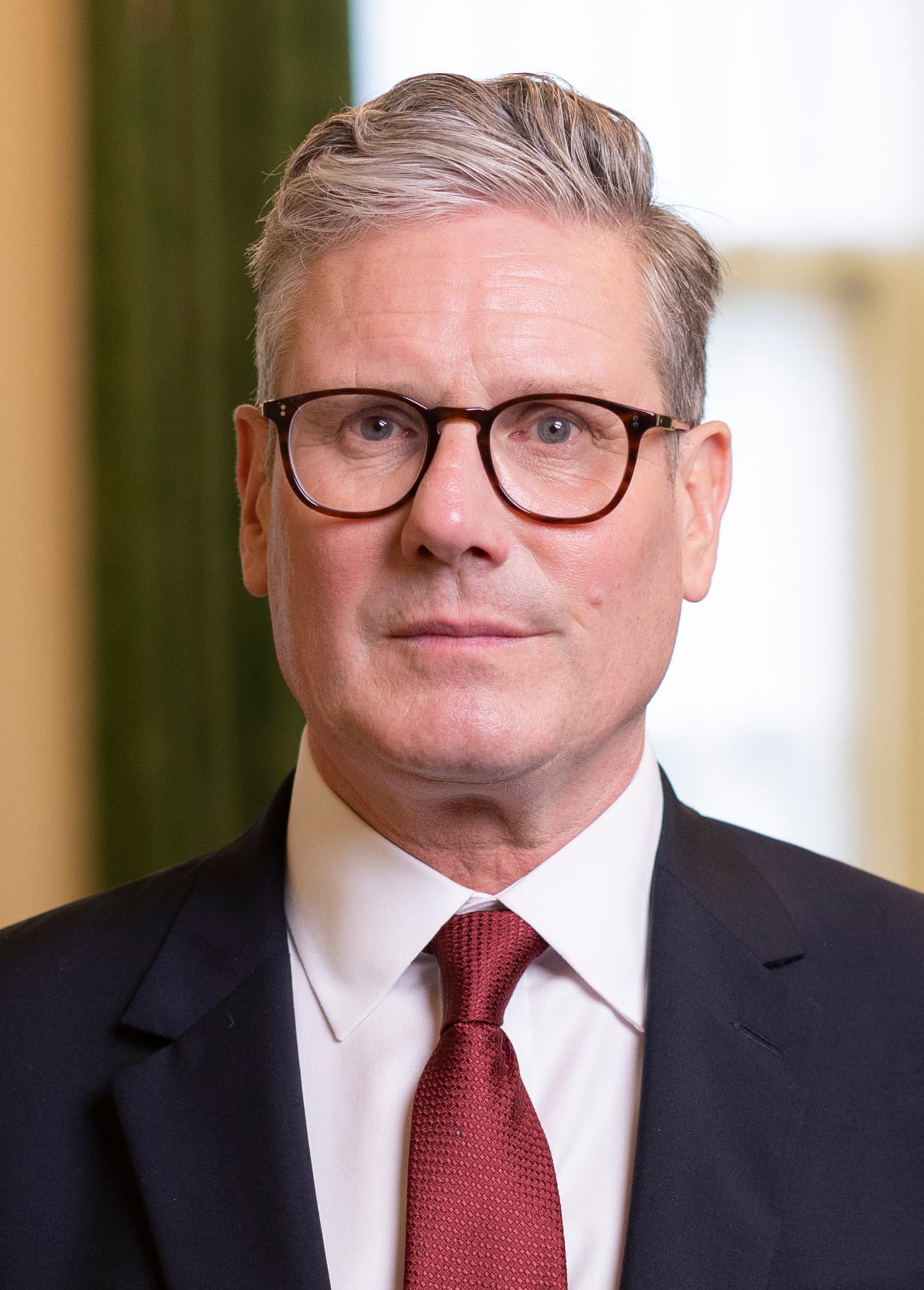
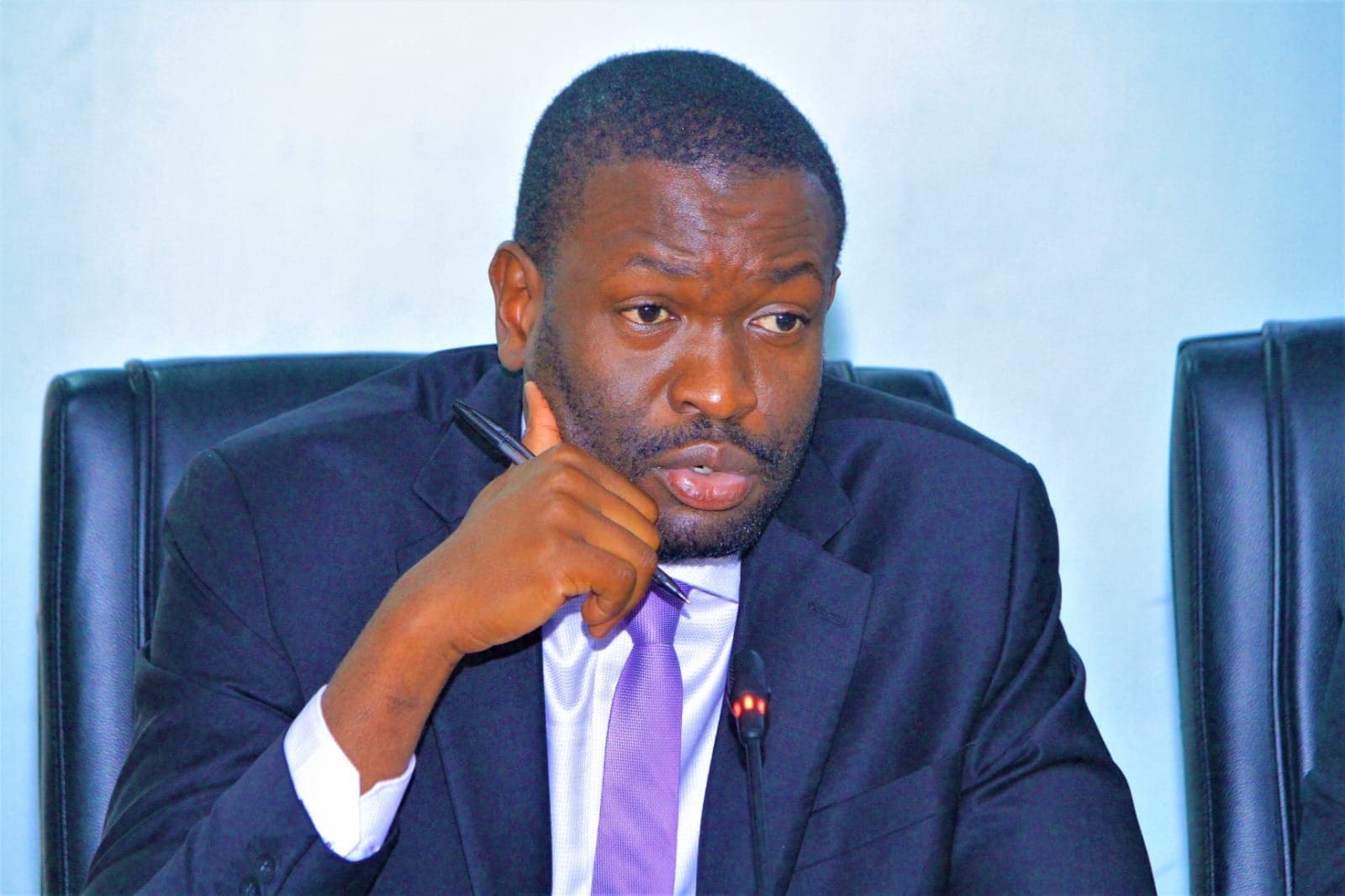
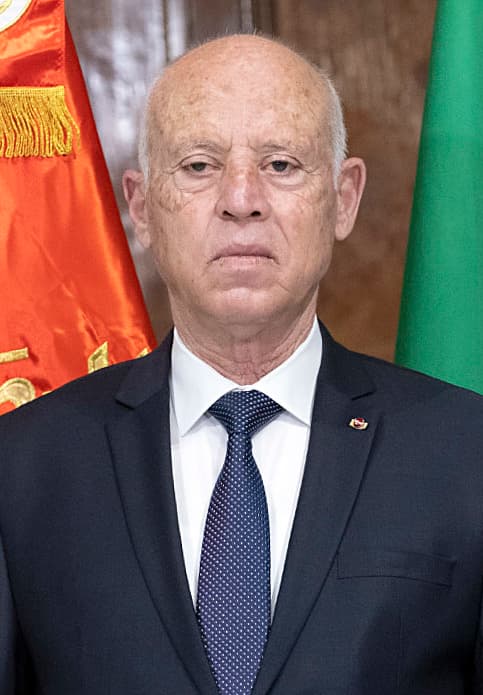
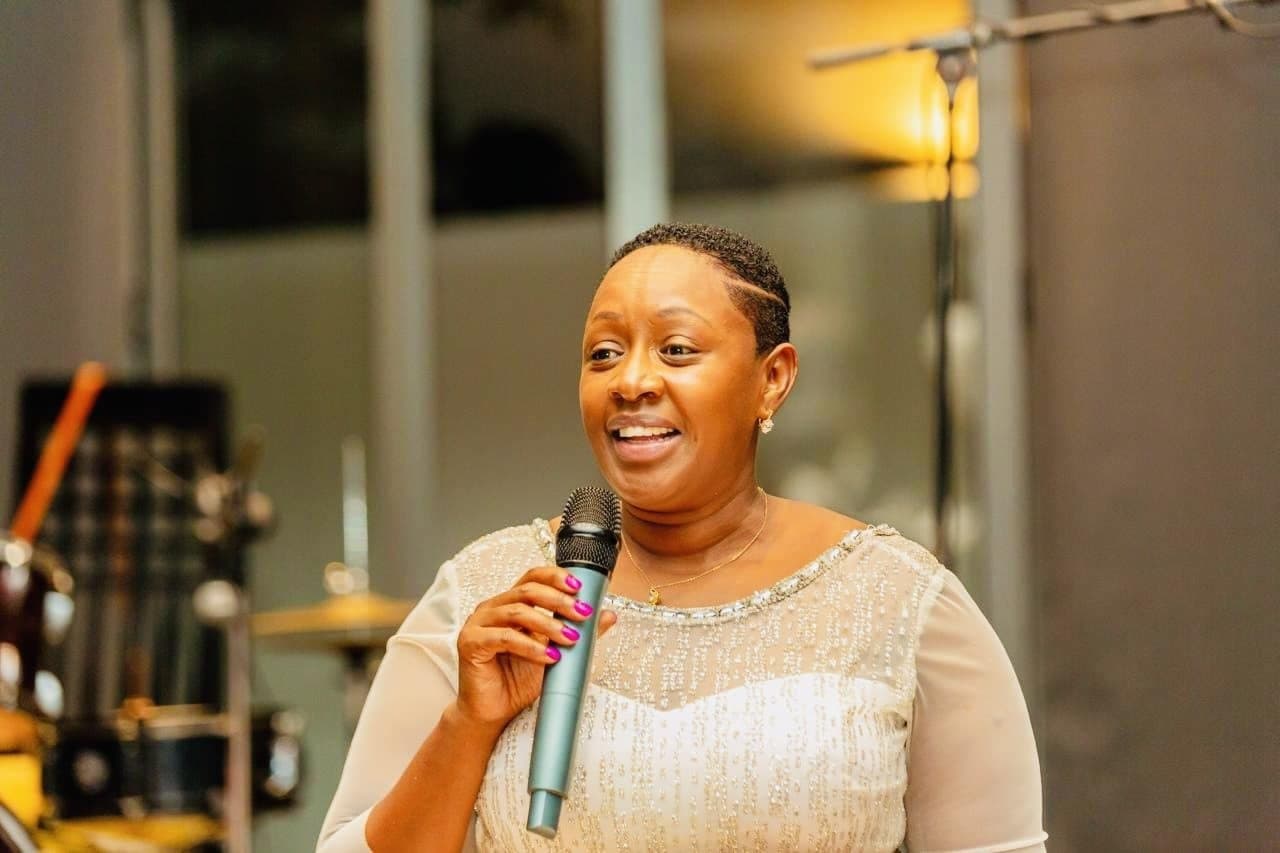
We're loading the complete profile of this person of interest including their biography, achievements, and contributions.

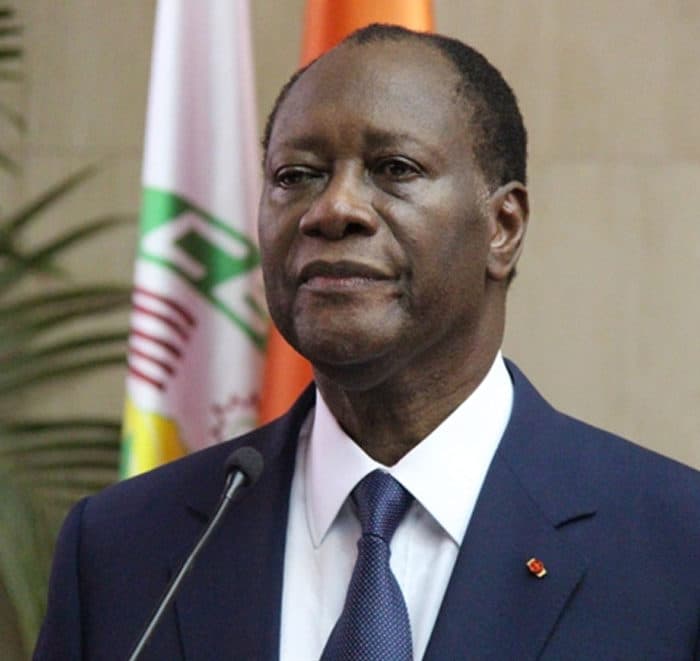
President of Ivory Coast
Born
1942(84 yrs)
County
Abidjan
Public Views
Experience
Documented career positions
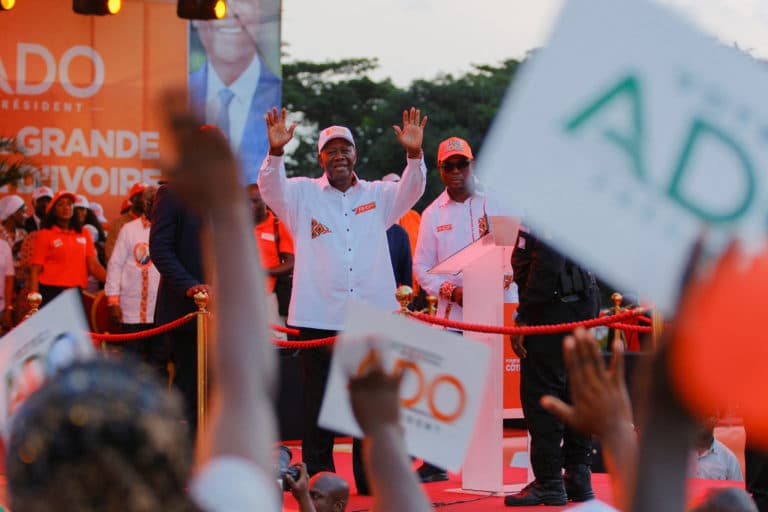
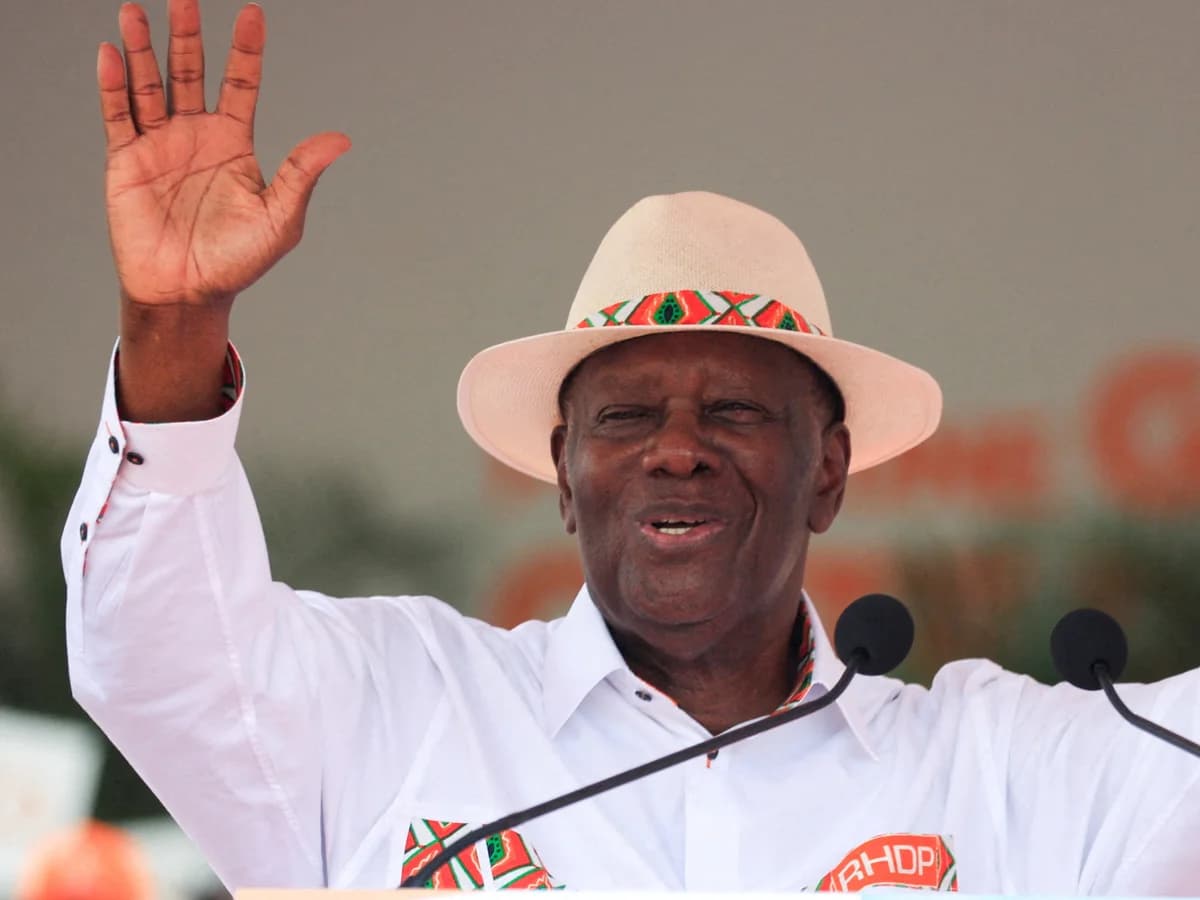
Alassane Dramane Ouattara, born 1 January 1942, is the President of Côte d’Ivoire, in office since 2010. An accomplished economist, he built an international career at the International Monetary Fund (IMF) — where he served as Deputy Managing Director — and at the Central Bank of West African States (BCEAO), becoming its Governor. His technocratic expertise positioned him as a key figure in Ivorian politics from the early 1990s, including a period as Prime Minister (1990–1993) under President Félix Houphouët-Boigny. After years of political exclusion and conflict, Ouattara emerged victorious in the disputed 2010 presidential election, a crisis that escalated into armed confrontation before he assumed office in April 2011. As president, Ouattara has overseen more than a decade of economic revitalization, marked by major infrastructure projects, expanded road networks, urban modernization, and strong GDP growth driven by reforms, investment inflows and improved political stability. His administration is credited with restoring Côte d’Ivoire’s position as one of West Africa’s fastest-growing economies. However, his decision to seek a third term in 2020 — justified on grounds of constitutional revision — drew intense domestic and international criticism, triggering protests, opposition boycotts and concerns about democratic backsliding. Ouattara remains a dominant figure in Ivorian politics, balancing a legacy of economic recovery with continuing debates over constitutional order and political succession.
Economic turnaround (2011–present): Guided Côte d’Ivoire to sustained high GDP growth after years of instability, making it one of Africa’s fastest-growing economies.
Major infrastructure expansion: Oversaw large-scale projects including highways, bridges, urban transport systems and energy infrastructure, modernizing the country’s economic base.
2020 third-term controversy: His decision to run for a third term — arguing the revised constitution reset term limits — triggered nationwide protests and international concern.
Opposition crackdowns: Accused of restricting opposition activity, including arrests of political figures and limits on demonstrations.
Post-crisis judicial imbalances: Critics argue that prosecutions after the 2010–2011 crisis disproportionately targeted rivals rather than applying transitional justice evenly.
News articles featuring Alassane Ouattara
Strengthened international partnerships: Rebuilt relations with international financial institutions, securing investment and debt support after the post-electoral crisis.
Post-conflict stabilization: Restored government control and national cohesion after the 2010–2011 crisis, re-establishing security and rebuilding state institutions.
Questions on succession planning: Long timelines without a clear successor have raised concerns about political stability and democratic transition.