We're loading the full news article for you. This includes the article content, images, author information, and related articles.
President Alassane Ouattara's victory, with nearly 90% of the vote, raises questions about democratic health in West Africa after key rivals were barred. For Kenya, it underscores the complex balance between economic stability and political inclusivity on the continent.
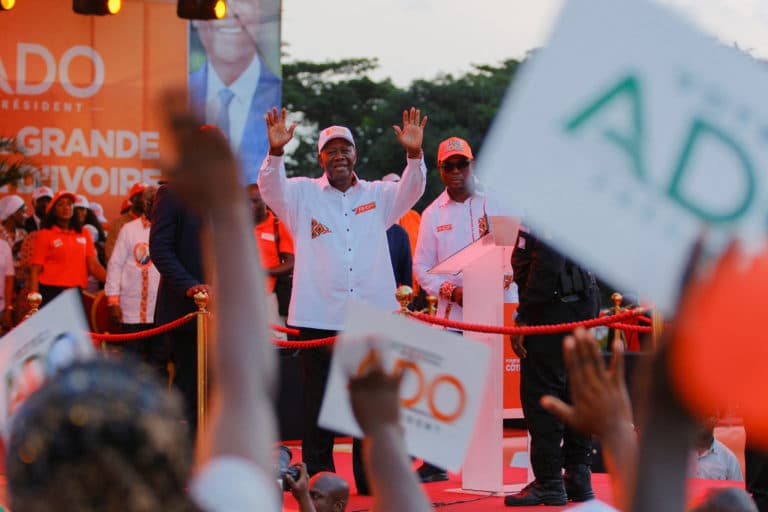
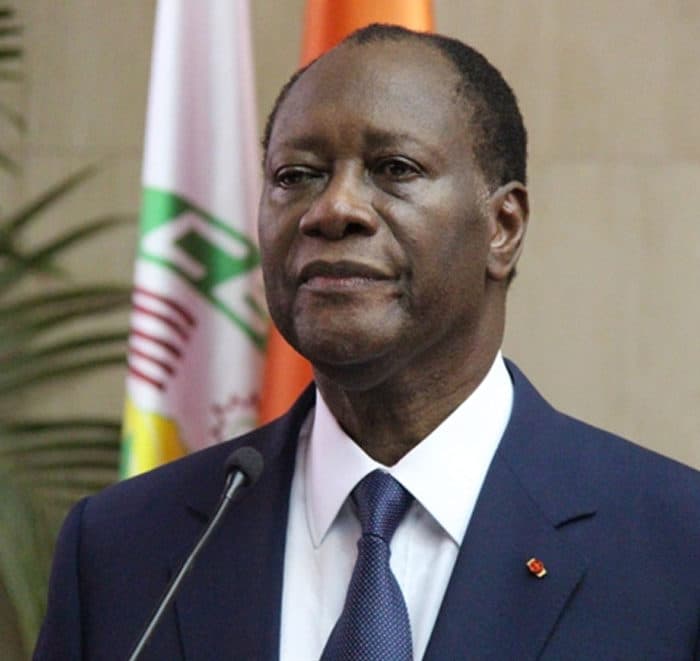
Alassane Ouattara, 83, has secured a controversial fourth term as president of Ivory Coast, winning 89.77% of the vote in an election characterized by the exclusion of his main rivals and low voter participation. The Independent Electoral Commission (CIE) announced the provisional results on the evening of Monday, 27 October 2025, in Abidjan, confirming a landslide victory that extends his rule to nearly two decades.
The election, held on Saturday, 25 October, saw a voter turnout of approximately 50.10% from the 8.7 million registered voters, according to the CIE. However, reports from multiple observers noted significantly lower participation in urban centers, particularly in the commercial capital, Abidjan. The poll proceeded in a generally calm atmosphere, a stark contrast to the violent post-election crisis of 2010 that killed over 3,000 people.
Ouattara's path to victory was cleared after his most formidable opponents, former President Laurent Gbagbo and former Credit Suisse CEO Tidjane Thiam, were disqualified from the race by the Constitutional Council in September 2025. Gbagbo was barred due to a past criminal conviction, while Thiam was excluded over issues related to his dual French nationality. This left Ouattara to compete against four lesser-known candidates, including former First Lady Simone Gbagbo and former Commerce Minister Jean-Louis Billon, who came in a distant second with about 3% of the vote.
Since taking power in 2011, Ouattara, a former senior official at the International Monetary Fund (IMF), has presided over a period of significant economic revival and infrastructural development in the world's top cocoa producer. The Ivorian economy has seen average annual growth of around 7% between 2012 and 2024, making it one of the fastest-growing in Africa. His supporters credit him with restoring stability and positioning the nation as an economic hub in West Africa.
However, critics and human rights organizations accuse Ouattara of tightening his grip on power, cracking down on dissent, and engineering constitutional changes to his benefit. A 2016 constitutional referendum reset presidential term limits, a move his opponents rejected as a "constitutional coup" that allowed him to seek a third and now a fourth term. In the weeks leading up to the election, authorities arrested over 250 protesters demonstrating against his candidacy, with dozens handed prison sentences.
While direct bilateral relations between Kenya and Ivory Coast are not extensive, the election's outcome holds broader significance for the East African region. Ouattara's victory, in the context of excluding major opposition figures, contributes to a pattern of democratic decline and constitutional manipulation seen in parts of West Africa, a trend that observers in East Africa are watching closely. The situation in Ivory Coast serves as a case study on the tensions between long-term incumbency, economic performance, and the health of democratic institutions.
As a major player in the Economic Community of West African States (ECOWAS), Ivory Coast's political stability is crucial for the wider region, which has been unsettled by a series of military coups in recent years. For Kenya and the East African Community (EAC), which are navigating their own challenges of regional integration and democratic governance, the events in Abidjan highlight the persistent challenges to peaceful political transitions on the continent.
The global cocoa market, in which Ivory Coast is the dominant producer accounting for about 45% of the world's supply, will also be closely monitored. Any political instability could disrupt supply chains and impact global prices, which has indirect consequences for commodity-dependent economies worldwide. Despite impressive macroeconomic figures, a significant portion of the Ivorian population remains in poverty, with the poverty rate at 37.5% in 2021, a reminder that economic growth does not always translate to inclusive development.
The final results are subject to confirmation by the Constitutional Council within a five-day period. Runner-up Jean-Louis Billon has already conceded and congratulated Ouattara.
Keep the conversation in one place—threads here stay linked to the story and in the forums.
Sign in to start a discussion
Start a conversation about this story and keep it linked here.
Other hot threads
E-sports and Gaming Community in Kenya
Active 10 months ago
The Role of Technology in Modern Agriculture (AgriTech)
Active 10 months ago
Popular Recreational Activities Across Counties
Active 10 months ago
Investing in Youth Sports Development Programs
Active 10 months ago
Key figures and persons of interest featured in this article