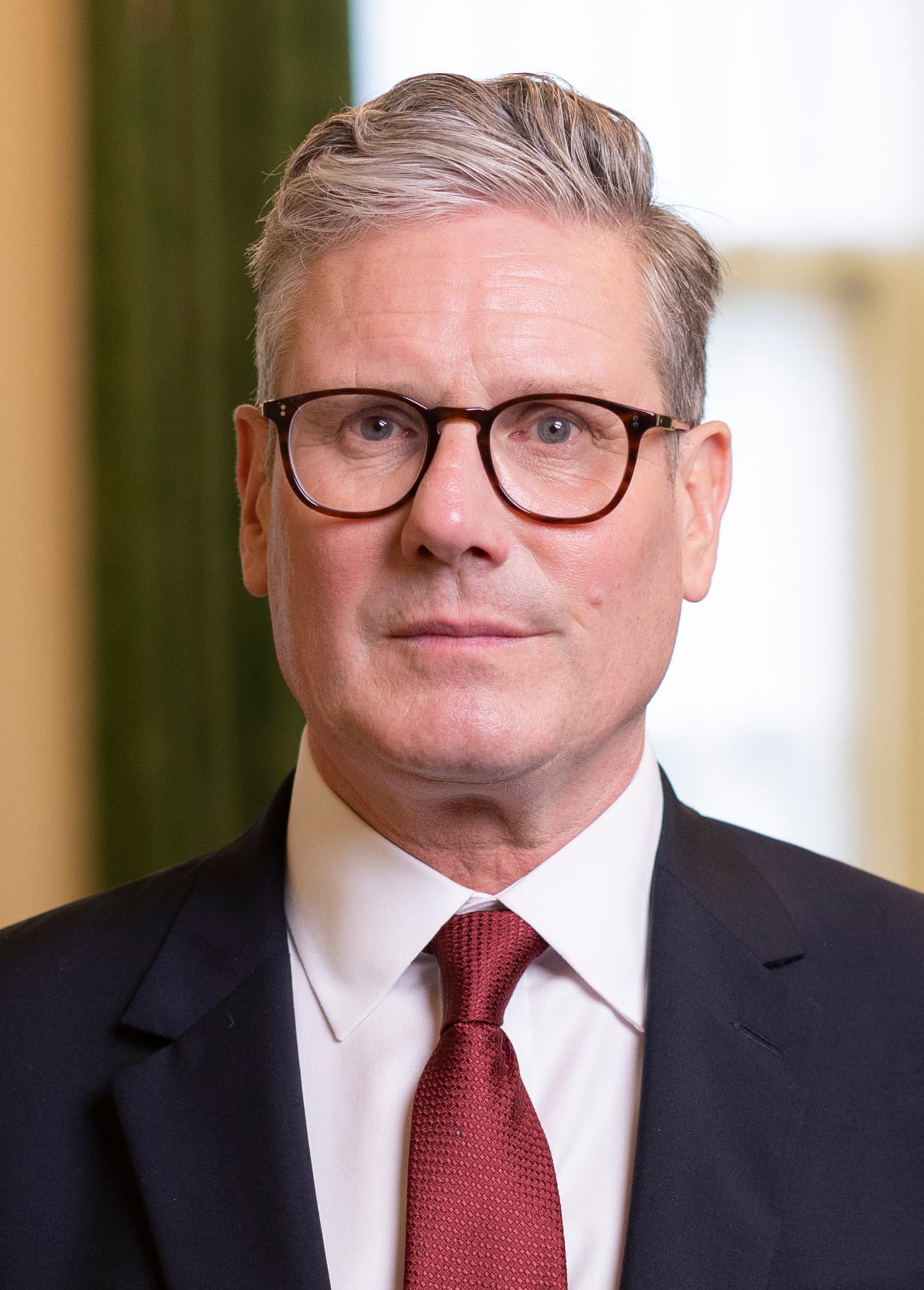
We're loading the complete profile of this person of interest including their biography, achievements, and contributions.
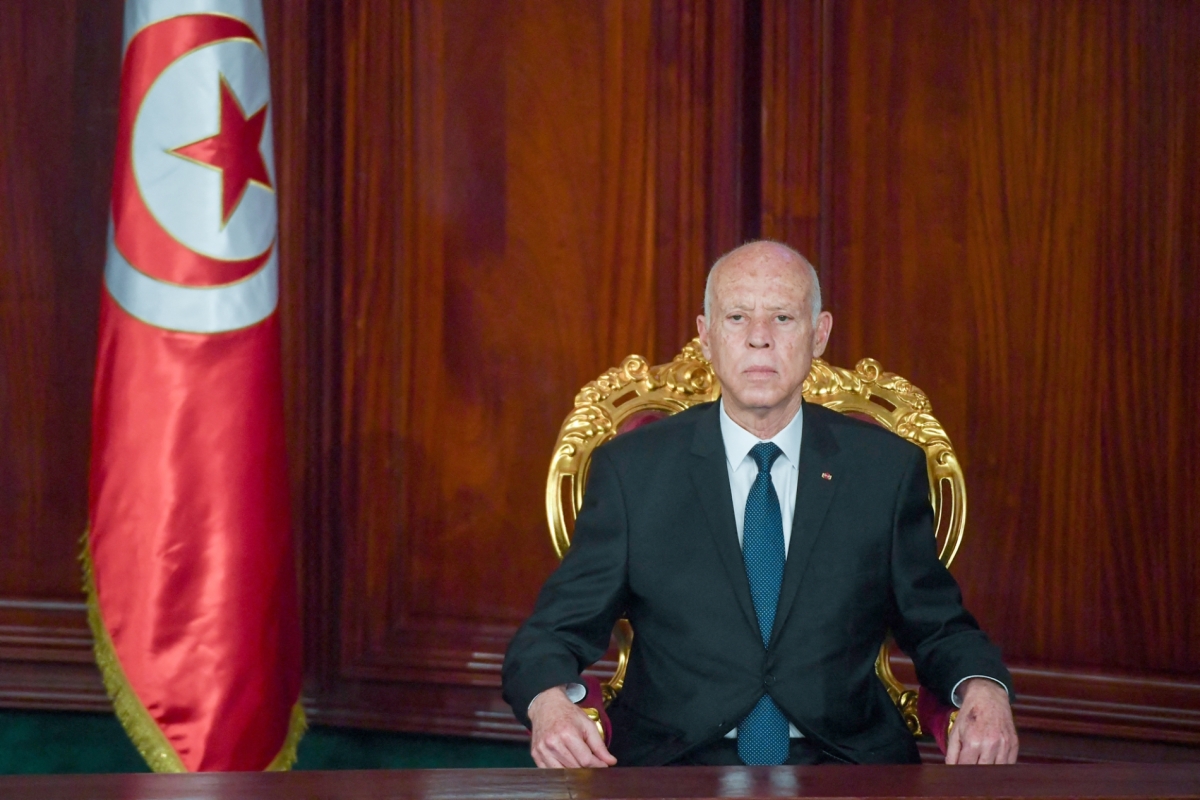
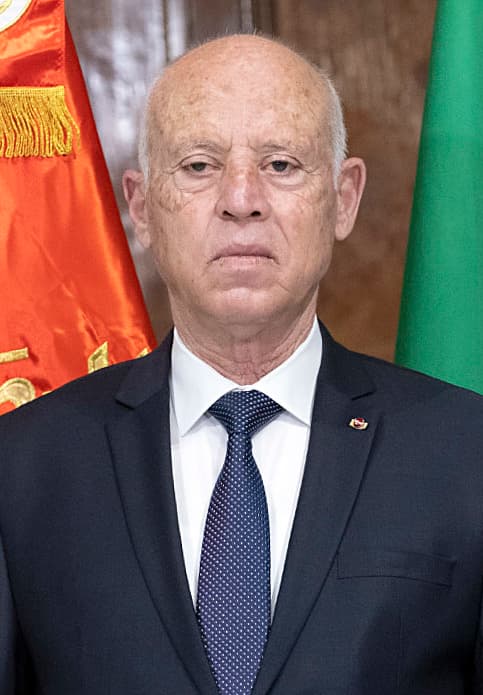
President of Tunisia
Born
1958(68 yrs)
Region
Tunis
Public Views
Experience
Documented career positions
Kaïs Saïed (born 22 February 1958) is the President of Tunisia, in office since October 2019. A constitutional law jurist and longtime academic, he rose from the lecture hall into national politics as an independent, anti-establishment candidate, pitching himself as a clean-hands reformer against corruption and a broken political class. He won the 2019 election by a landslide, defeating media mogul Nabil Karoui in the runoff. His presidency has become the defining fault line in Tunisia’s post-2011 trajectory. In July 2021, Saïed froze/suspended parliament and began ruling by decree—moves supporters framed as a necessary “correction,” while opponents and many rights groups called it a constitutional rupture. In 2022, he pushed through a new constitution approved in a referendum with low turnout, significantly expanding presidential authority and weakening checks and balances. Since then, Tunisia has seen a deepening crackdown on opposition figures and civil society, with mass arrests and heavy prison sentences reported in late 2025.
AI-powered civic intelligence rating
Elected President (2019): won a decisive mandate as an outsider, capturing public anger at corruption and stagnation.
2021 power reset: dissolved the existing governing balance by suspending parliament and consolidating executive control—seen by supporters as “rescue,” by critics as democratic rollback.
2022 constitutional overhaul: drove adoption of a new constitution that re-centred the state on a dominant presidency.
2021 seizure of executive powers: freezing parliament and ruling by decree remains the central controversy of his presidency.
2022 constitution and weakened checks: legal and human-rights bodies warned it concentrates power and risks a return to autocratic governance.
Crackdown on opposition: arrests and severe sentences for opponents and critics have intensified allegations of authoritarianism.
News articles featuring Kais Saied
State reconfiguration through decrees and institutional changes: including restructuring judicial oversight mechanisms and governance architecture—praised by loyalists as cleanup, condemned by opponents as authoritarian consolidation.
Legitimacy and turnout concerns: major political milestones (notably the 2022 referendum) recorded low participation, feeding debate over mandate.