We're loading the full news article for you. This includes the article content, images, author information, and related articles.
PM Abiy Ahmed inaugurates the 120MW Chinese-built Aysha-II Wind Power Project, a strategic move to diversify Ethiopia’s energy grid and boost industrial growth.
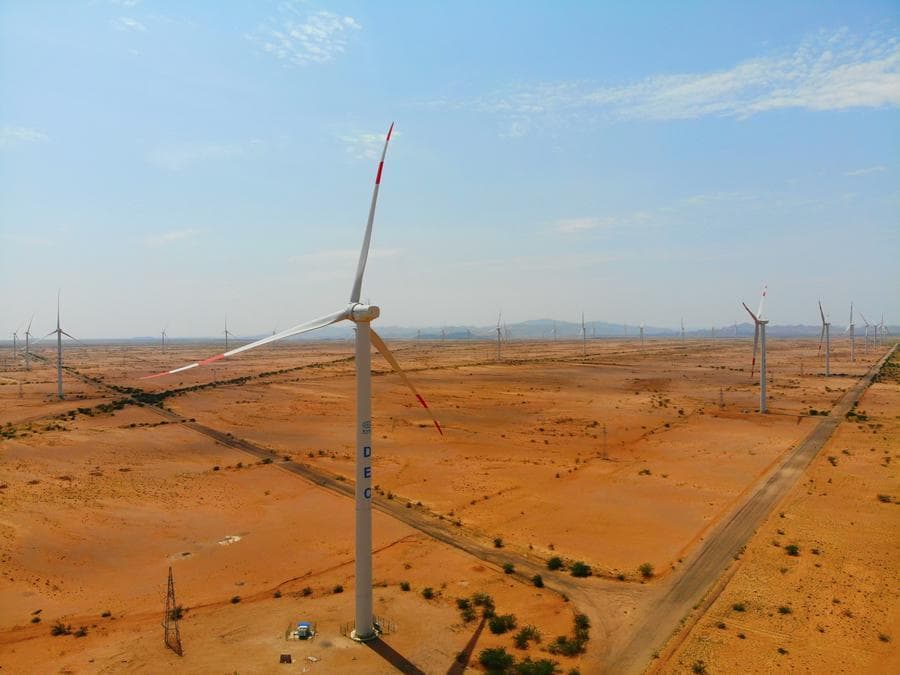
Ethiopia has taken a giant leap towards energy sovereignty with the inauguration of a mega-project that harnesses the relentless winds of the Somali region to power the nation’s industrial ambitions.
Prime Minister Abiy Ahmed has officially inaugurated the Aysha-II Wind Power Project, a massive renewable energy facility constructed by Chinese engineering giant Dongfang Electric Corporation. The plant, with a generation capacity of 120 megawatts and an expected annual output of 467 GWh, stands as a testament to Ethiopia’s determination to diversify its energy mix and reduce its historical over-reliance on hydropower.
Located in the wind-rich corridor of the Somali Regional State, the project is a strategic masterstroke. It taps into a resource that is abundant during the dry seasons when dam levels typically drop, providing a critical counterbalance to the national grid. "This is not just a power plant; it is a promise kept to the people of Ethiopia," PM Abiy declared at the ceremony. "We are building a future where power outages are a memory, and our industries never sleep."
The Aysha-II project highlights the deepening economic ties between Addis Ababa and Beijing. Financed and built with Chinese expertise, the wind farm represents the "Belt and Road" initiative in action—tangible infrastructure that transforms local economies. The construction phase created hundreds of jobs for locals and transferred critical technical skills to Ethiopian engineers who will now manage the facility.
The technology deployed is state-of-the-art, featuring smart turbines capable of adjusting to fluctuating wind speeds to maximize efficiency. This injection of modern tech is crucial for Ethiopia, which aims to become a net exporter of electricity to its neighbors, including Kenya and Djibouti. The wind farm is effectively an energy bank, storing the power of the wind to drive the Horn of Africa’s economic engine.
For a country often associated with climate vulnerability, this project is a bold statement of resilience. Ethiopia is positioning itself as a leader in green energy in Africa. By combining its vast hydro resources with wind, solar, and geothermal potential, the country is constructing a diversified, climate-proof energy portfolio.
As the blades of the Aysha-II turbines slice through the air, they signal a new era of modernization. The government’s "Homegrown Economic Reform" agenda relies heavily on reliable infrastructure, and this wind farm is a cornerstone of that vision. It is a beacon of progress in the desert, proving that with the right partnerships and vision, the winds of change can indeed power a nation.
Keep the conversation in one place—threads here stay linked to the story and in the forums.
Sign in to start a discussion
Start a conversation about this story and keep it linked here.
Other hot threads
E-sports and Gaming Community in Kenya
Active 10 months ago
The Role of Technology in Modern Agriculture (AgriTech)
Active 10 months ago
Popular Recreational Activities Across Counties
Active 10 months ago
Investing in Youth Sports Development Programs
Active 10 months ago
Key figures and persons of interest featured in this article