We're loading the full news article for you. This includes the article content, images, author information, and related articles.
Linda Wananchi releases a scathing People's Report evaluating the controversial 10-point agenda underlying the current Ruto-Raila political arrangement.

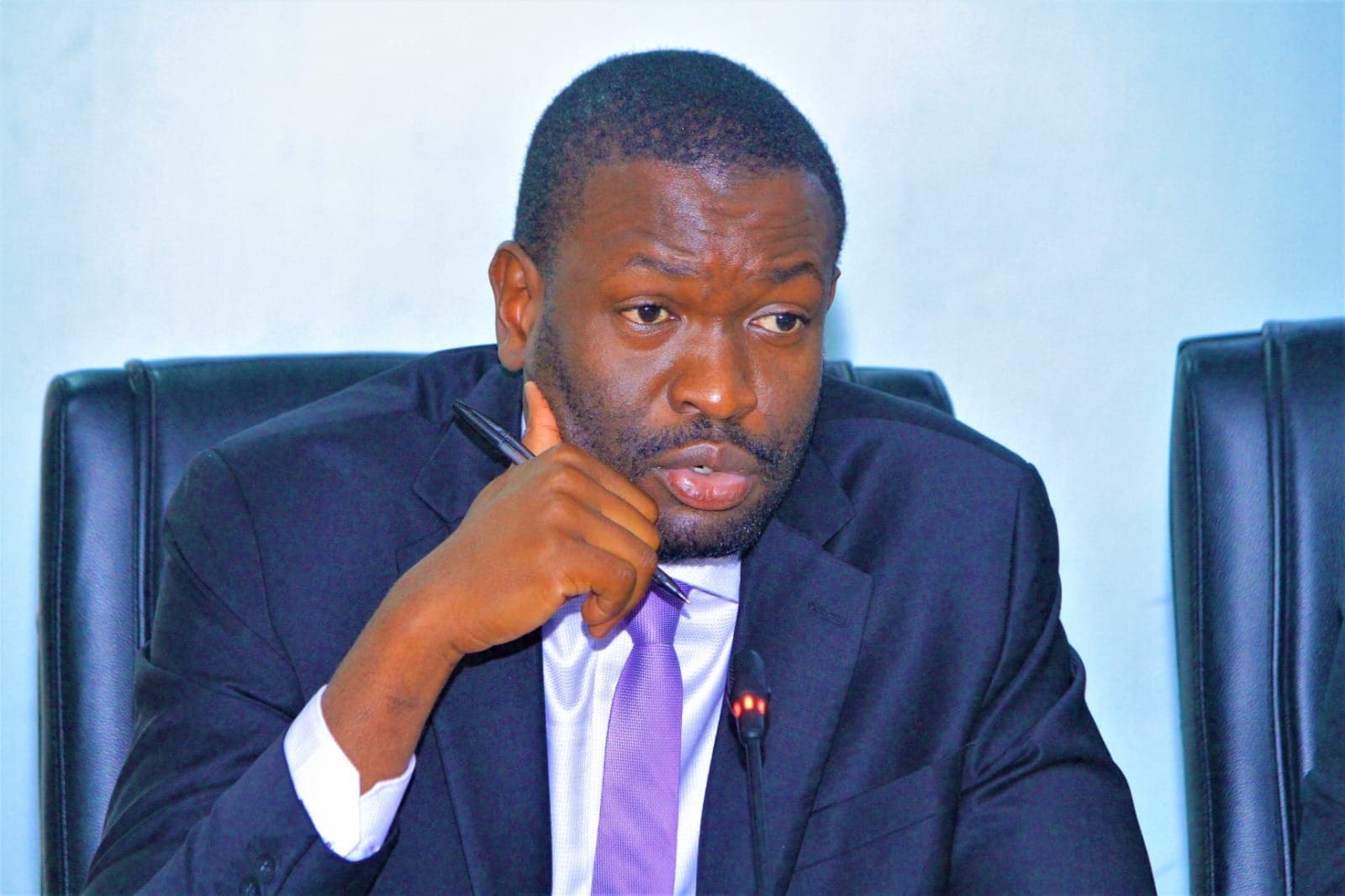
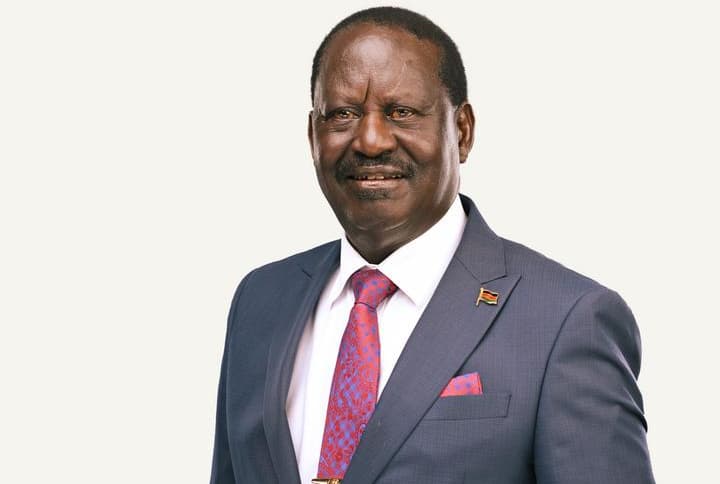
The political alliance underpinning Kenya’s current governance structure faces an unprecedented audit today as the Linda Wananchi faction of the Orange Democratic Movement (ODM) prepares to release its &ldquoPeople&rsquos Report.&rdquo This document promises a scathing, granular assessment of the 10-Point Agenda, a cooperation framework established between President William Ruto and the late opposition leader Raila Odinga on March 7, 2025. For the architects of this report, the document is not merely a critique it is an attempt to reclaim the party&rsquos founding principles from what they describe as a broad-based arrangement that has prioritized political convenience over public accountability.
This development marks a deepening fissure within the opposition, exposing how the death of Raila Odinga in late 2025 has left a power vacuum that competing factions are rushing to fill. At stake is the future of the broad-based government, which was initially hailed as a stabilization mechanism following widespread civil unrest, but is now viewed by critics as a stalling tactic. As the nation watches, the Linda Wananchi group&rsquos findings aim to determine whether the government&rsquos reform promises remain a credible roadmap for national development or have dissolved into empty political rhetoric.
The 10-Point Agenda was born from the National Dialogue Committee (NADCO) framework, which sought to reconcile a fractured nation after the 2022 general elections and the subsequent 2024 youth-led protests against taxation and economic management. When Ruto and Odinga signed the Memorandum of Understanding on March 7, 2025, the roadmap was presented as a definitive solution to Kenya&rsquos systemic issues.
The committee overseeing this agenda, led by Dr. Agnes Zani, was tasked with monitoring these pillars. However, the Linda Wananchi faction alleges that the committee&rsquos operations have been shrouded in opacity, failing to provide the periodic progress reports initially promised to the public.
The primary point of contention currently paralyzing the ODM party is the interpretation of the March 7, 2026, date. Factions led by Nairobi Senator Edwin Sifuna and Vihiga Senator Godfrey Osotsi maintain that this date served as the definitive deadline for the implementation of the MoU. They argue that any continuation of the arrangement without concrete results constitutes a betrayal of the sacrifices made by citizens during the 2024 protests.
Conversely, party leadership, represented by Oburu Oginga, has dismissed these claims, asserting that March 7 was merely an anniversary of the broad-based government. This divergence in interpretation has led to a stalemate. President Ruto&rsquos administration has further complicated the situation by extending the Zani-led committee&rsquos mandate by 60 days, a move that critics view as a tactical delay rather than a genuine pursuit of reform.
For the average Kenyan, the abstract political debate over timelines holds little weight compared to the harsh economic environment. While the government touts its infrastructure funds and youth programs, inflation and the tax burden remain constant pressures on household budgets. Data from the Central Bank of Kenya and treasury reports from late 2025 reflect a struggle to balance debt servicing with public service delivery.
The People Report is expected to highlight a significant disparity between these high-level political agreements and the lived experience on the ground. By challenging the status quo, the Linda Wananchi faction is attempting to shift the narrative from the political optics of a &ldquohandshake&rdquo to the tangible metrics of governance. As the faction prepares to release its findings, the core question remains whether this report will ignite a genuine push for reform or further fracture an already fragile political opposition.
Ultimately, the release of this document places the burden of proof back on the administration and the party leadership. If the implementation of the 10-Point Agenda has indeed stagnated, the political cost for those maintaining the broad-based government could be substantial. As Kenya approaches the next election cycle, the ability to deliver on these fundamental promises will likely define the political survival of the major players involved.
Keep the conversation in one place—threads here stay linked to the story and in the forums.
Sign in to start a discussion
Start a conversation about this story and keep it linked here.
Other hot threads
E-sports and Gaming Community in Kenya
Active 9 months ago
The Role of Technology in Modern Agriculture (AgriTech)
Active 9 months ago
Popular Recreational Activities Across Counties
Active 9 months ago
Investing in Youth Sports Development Programs
Active 9 months ago
Key figures and persons of interest featured in this article