We're loading the full news article for you. This includes the article content, images, author information, and related articles.
Eugene Wamalwa's family challenges President Ruto after a series of inflammatory attacks during a political tour of Western Kenya.

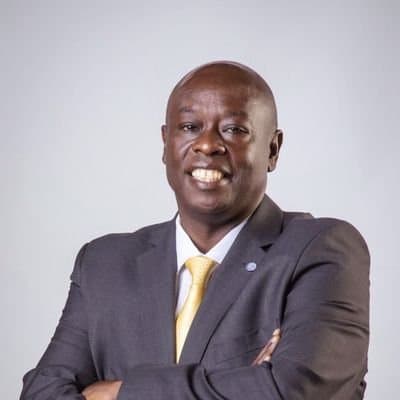
In the high-stakes theater of Kenyan politics, the line between robust debate and personal vitriol has dissolved entirely. The recent exchanges between President William Ruto and Democratic Action Party of Kenya (DAP-K) leader Eugene Wamalwa have descended into a public, deeply personal confrontation that has sent shockwaves through Western Kenya. Following a series of scathing, below-the-belt attacks by the President during his recent tour of Bungoma, the Wamalwa family and their political allies have issued a firm rebuke, signaling that the battle for the region’s electoral soul has reached a fever pitch.
This clash is not merely a skirmish of egos it represents a fundamental fracture in the political landscape ahead of the 2027 general elections. For President Ruto, securing the politically volatile Western region—a bloc of approximately 2.6 million voters—is an existential necessity to bolster his path to a second term. For Wamalwa, defending his family name and political stature is a matter of survival, as the ruling Kenya Kwanza administration systematically attempts to dismantle opposition influence in what has historically been a challenging terrain for the President.
The conflict erupted during President Ruto’s five-day development tour of the Western region, which commenced on March 16, 2026. While the President’s stated objective was to launch infrastructure projects, his rhetoric pivoted sharply toward personal grievances. In a series of public rallies, Ruto launched direct assaults on Eugene Wamalwa, labeling him a “useless man” and alleging that the former Cabinet Secretary had neglected his family responsibilities, specifically regarding the welfare of his late brother’s children. These remarks were widely interpreted as an attempt to undermine Wamalwa’s moral authority within the deeply patriarchal and traditional social structures of the Mulembe nation.
The response was swift and calculated. Wamalwa, clearly stung by the President’s breach of the unwritten rules of political engagement, bypassed standard diplomatic denials. In an act of defiance, he publicly introduced his wife to supporters, a move aimed at debunking the narrative regarding his personal life and demonstrating that he would not be intimidated by the power of the State House. Political analysts note that such personal maneuvers are rare in Kenyan high-level politics, underscoring the severity of the provocation.
The aggression displayed by the presidency in Bungoma is emblematic of a broader, aggressive strategy to peel away support from opposition strongholds. Throughout the week of March 16, 2026, Ruto engaged in a high-octane campaign, simultaneously offering development carrots—such as the recent groundbreaking for the SGR expansion to Western—and sticks, in the form of relentless criticism of opposition figures like Wamalwa and former Deputy President Rigathi Gachagua. The President’s assertion that he would “give [the opposition] just one percent of his time” signaled a strategic decision to treat political rivalry as a distraction rather than a dialogue.
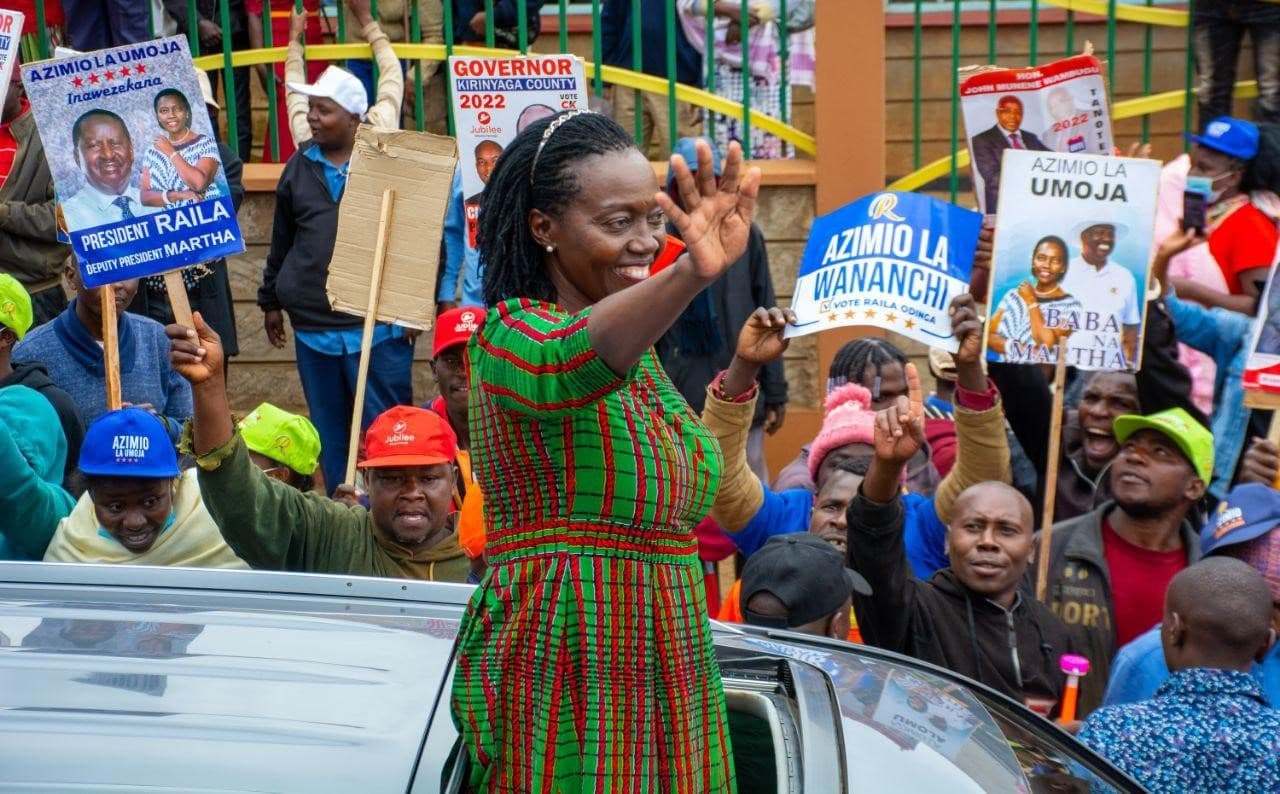
However, this strategy carries significant risks. In Western Kenya, where kinship, clan ties, and legacy still hold considerable sway, attacking the integrity of a prominent local figure can backfire, coalescing the community against the outsider. Critics, including Martha Karua and other opposition leaders, have argued that such rhetoric violates Chapter Six of the Constitution, which demands integrity and decorum from state officers. By focusing on personal mudslinging, the administration risks alienating the very voters it seeks to court, as citizens increasingly question whether these petty squabbles detract from the urgent crises of the cost of living and unemployment.
History suggests that personal attacks in Kenyan politics often serve as a prelude to more drastic realignment. Wamalwa has consistently maintained that he has no interest in joining the government, positioning himself as a steadfast defender of the opposition. His retort regarding the administration’s handling of public institutions—specifically the Nairobi Hospital governance crisis—shows that he is shifting the battlefield from personal insults to matters of public policy and institutional integrity. He has openly criticized the President for failing to distinguish between the roles of a private hospital patron and executive decision-making.
As the 2027 election cycle accelerates, the danger for the administration is that this toxic climate of political discourse will harden the resolve of opposition supporters rather than erode it. The "Wamalwa vs. Ruto" conflict has become a proxy for a national conversation about the limits of presidential power. When the head of state descends into the mud of personal attacks, the debate shifts away from economic progress toward the character of leadership itself. Whether this gamble by the President secures him the Western vote or merely deepens the divide in a polarized nation remains the central question of this political season.
The silence from the Wamalwa family on the specific details of the President’s claims—outside of Eugene’s public rebuttal—suggests that they understand the danger of engaging in a permanent state of public conflict. However, the gauntlet has been thrown. In the coming weeks, the focus will shift from the drama of the rallies to the tangible electoral math. If the President’s goal was to diminish the DAP-K leader’s relevance, the move may have inadvertently elevated his status as the primary martyr and focal point of the regional resistance.
Keep the conversation in one place—threads here stay linked to the story and in the forums.
Sign in to start a discussion
Start a conversation about this story and keep it linked here.
Other hot threads
E-sports and Gaming Community in Kenya
Active 10 months ago
The Role of Technology in Modern Agriculture (AgriTech)
Active 10 months ago
Popular Recreational Activities Across Counties
Active 10 months ago
Investing in Youth Sports Development Programs
Active 10 months ago
Key figures and persons of interest featured in this article