We're loading the full news article for you. This includes the article content, images, author information, and related articles.
Stakeholders in Wajir County, including elders and officials, unanimously agree to ban the traditional Maslaha system for SGBV cases, ensuring perpetrators face the formal criminal justice system.
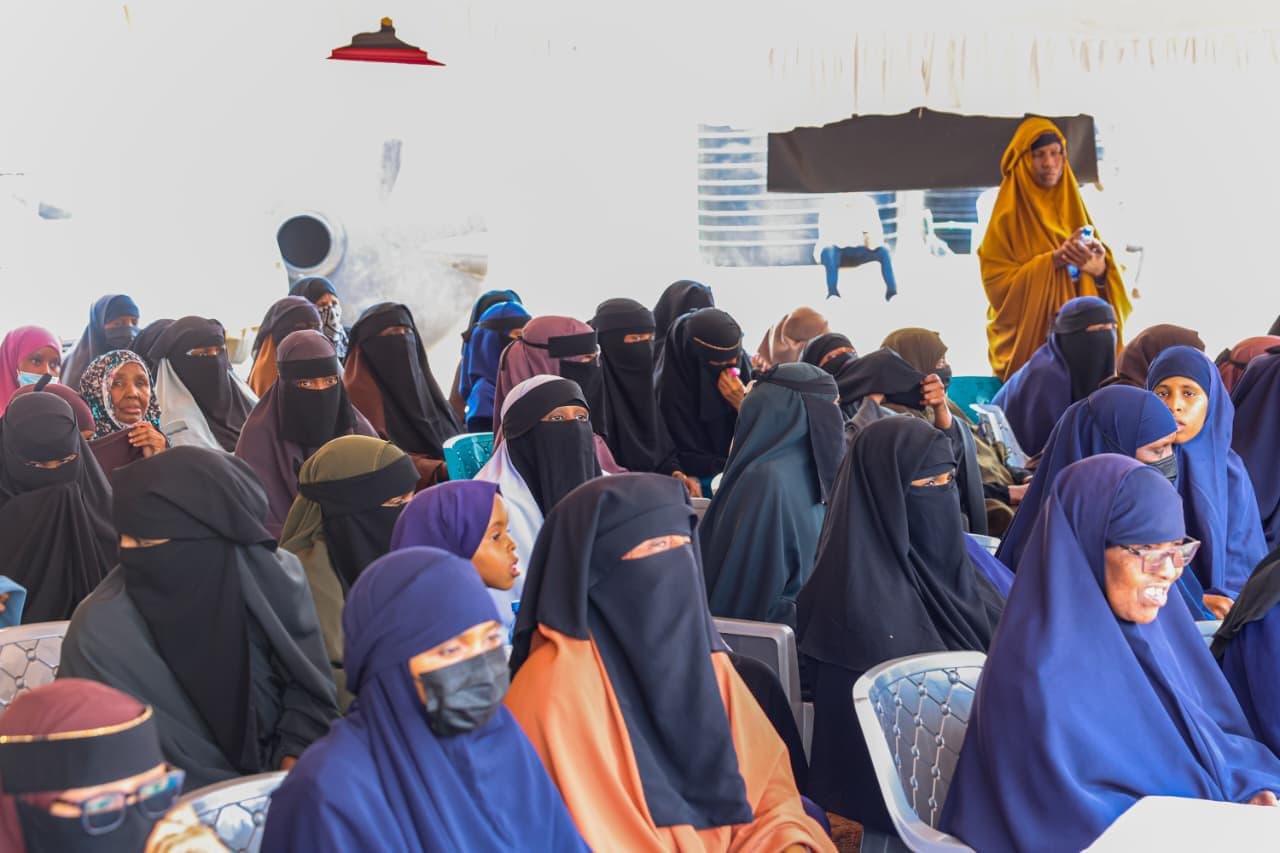
WAJIR — In a landmark decision, Wajir elders and officials strike a blow for justice, declaring the traditional Maslaha system dead for sexual violence cases.
The sun has set on the era of negotiating away the dignity of women in Wajir. In a historic pact that promises to reshape the social fabric of the county, a coalition of elders, religious leaders, and government officials has unanimously resolved to banish the "Maslaha" system from the adjudication of Sexual and Gender-Based Violence (SGBV). For decades, this informal, clan-based arbitration system has allowed rapists to walk free after paying a fine in camels or goats, leaving victims scarred and justice denied.
The decision was reached at a high-stakes forum in Wajir town, organized by the Volontaria Association and DAWN. The atmosphere was charged with the weight of change. Adan Abdi, the County Director of Peace Building, delivered the verdict that many women have been waiting a lifetime to hear: "We have collectively agreed to confront gender-based violence and end the use of Maslaha. We must find a lasting solution so that victims can access justice."
Maslaha was designed to maintain inter-clan harmony, prioritizing collective honor over individual rights. In cases of theft or land disputes, it works. But when applied to rape and defilement, it becomes a tool of oppression. A perpetrator’s clan pays "blood money" to the victim’s family, the crime is "forgiven," and the survivor is often forced to marry her abuser to "cleanse" the shame. This cycle of impunity has now been formally broken.
Retired Chief Abdishakur, a voice of authority among the elders, endorsed the shift. "Let us agree today that such matters should be left to the police and the courts," he stated. This endorsement is critical. In Wajir, the word of the elders often carries more weight than the law. By publicly stepping back, they have removed the cultural shield that predators have hidden behind for generations.
For the women of Wajir, this is more than a policy change; it is a liberation. Civil society groups have long campaigned against the "commercialization of rape," arguing that a woman’s trauma cannot be quantified in livestock. The shift to the criminal justice system ensures that perpetrators face jail time, a deterrent that Maslaha could never offer.
The road ahead is long. The county needs to build the capacity of its gender desks, ensure police are trained to handle sensitive cases, and educate the community that "justice" means accountability, not compensation. But the declaration made this week is a powerful first step.
Wajir has drawn a line in the sand. The camels can stay in the grazing fields; the criminals belong in prison.
Keep the conversation in one place—threads here stay linked to the story and in the forums.
Sign in to start a discussion
Start a conversation about this story and keep it linked here.
Other hot threads
E-sports and Gaming Community in Kenya
Active 9 months ago
The Role of Technology in Modern Agriculture (AgriTech)
Active 9 months ago
Popular Recreational Activities Across Counties
Active 9 months ago
Investing in Youth Sports Development Programs
Active 9 months ago