We're loading the full news article for you. This includes the article content, images, author information, and related articles.
With only 170 government veterinarians serving a nation with Africa’s fourth-largest cattle herd, the push to secure export markets faces a critical bottleneck.
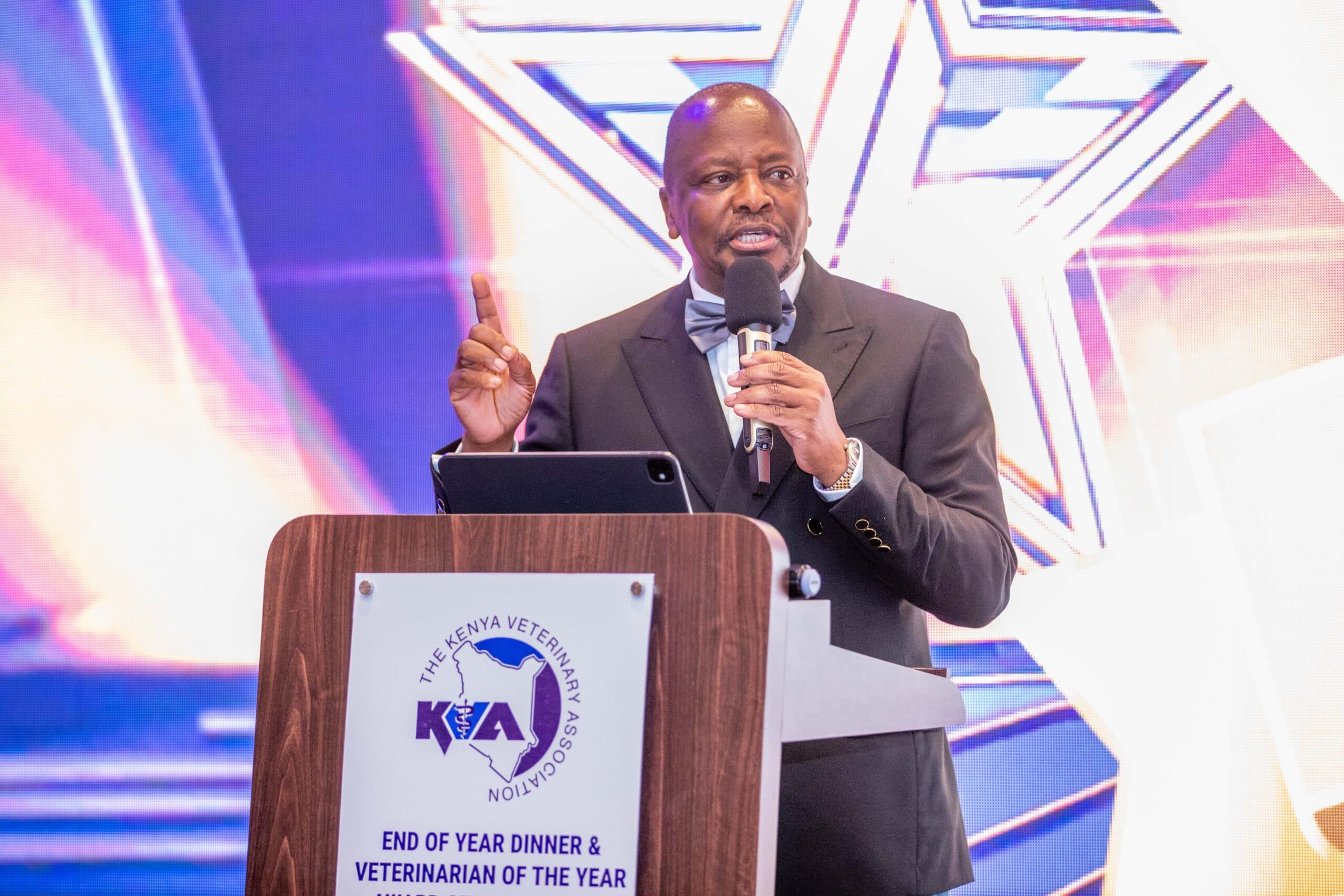
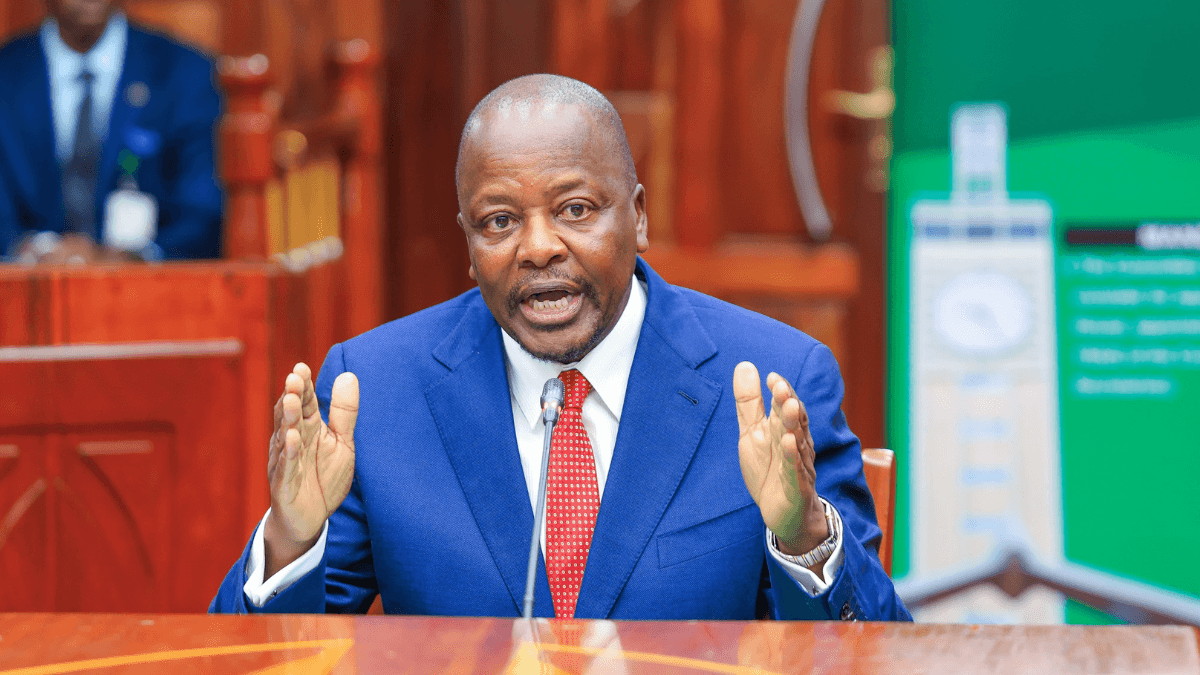
Kenya’s multi-billion shilling livestock sector is balancing on a knife-edge, with a critical shortage of veterinarians threatening to derail export ambitions and rural livelihoods, warns Agriculture Cabinet Secretary Mutahi Kagwe.
Speaking at the Kenya Veterinary Association (KVA) end-of-year awards, Kagwe laid bare a stark reality: despite holding Africa’s fourth-largest cattle herd, Kenya is punching below its weight globally. The culprit? A skeletal workforce and persistent disease outbreaks that lock Kenyan beef out of lucrative international markets.
For the average Kenyan farmer, the equation is simple: healthy animals mean school fees paid and food on the table. However, Kagwe cautioned that the sector’s potential is being stifled by preventable diseases. He noted that Kenya has repeatedly lost export opportunities due to outbreaks of Foot-and-Mouth disease—a barrier that effectively quarantines Kenyan produce from high-value markets.
“Vets are great pillars for the country’s economy. They are great pillars for the country’s public health system,” Kagwe stated, drawing a direct line between the syringe in a vet’s hand and the shilling in a farmer’s pocket.
The most alarming statistic from the summit was the staffing crisis. Kagwe revealed that the entire government apparatus—spanning both National and County levels—employs only about 170 veterinarians.
This shortage is particularly devastating for Arid and Semi-Arid Lands (ASALs), where livestock is often the sole source of wealth. The deficit in professional care leaves millions of animals vulnerable, directly impacting the economic stability of these communities.
The path forward, according to the CS, lies in aggressive vaccination campaigns and improved disease surveillance. By stabilizing animal health, the government aims to transform livestock keeping from a survival tactic into a thriving commercial enterprise.
“Many communities, especially in arid and semi-arid areas, rely on livestock. If you can take care of their animals, then indirectly you are ensuring that their livelihood is better,” Kagwe observed.
The KVA continues to bridge the gap through advocacy and professional development, including medical cover schemes for its members, but the consensus remains clear: without a significant boost in government hiring and support, Kenya’s livestock goldmine will remain largely untapped.
Keep the conversation in one place—threads here stay linked to the story and in the forums.
Sign in to start a discussion
Start a conversation about this story and keep it linked here.
Other hot threads
E-sports and Gaming Community in Kenya
Active 9 months ago
The Role of Technology in Modern Agriculture (AgriTech)
Active 9 months ago
Popular Recreational Activities Across Counties
Active 9 months ago
Investing in Youth Sports Development Programs
Active 9 months ago
Key figures and persons of interest featured in this article