We're loading the full news article for you. This includes the article content, images, author information, and related articles.
The International Finance Corporation (IFC) is set to inject $5 million (Sh645 million) into Nairobi-based electric mobility startup ARC Ride, signalling a massive vote of confidence in Kenya's transition to green transport.
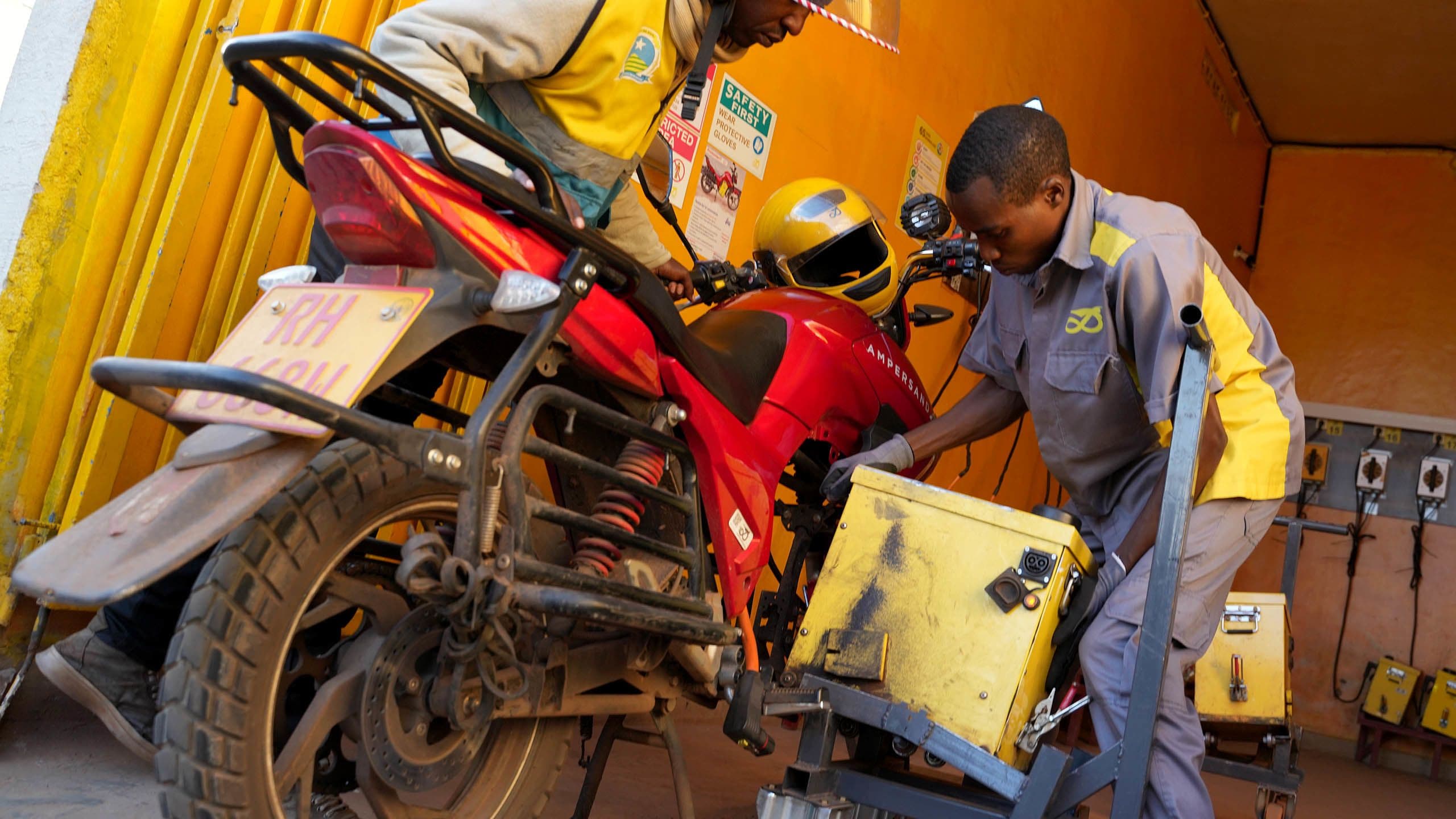
The International Finance Corporation (IFC) is set to inject $5 million (Sh645 million) into Nairobi-based electric mobility startup ARC Ride, signalling a massive vote of confidence in Kenya's transition to green transport.
In a move that underscores the shifting tides of urban mobility in East Africa, the International Finance Corporation (IFC) has announced a proposed equity investment of approximately Sh645 million ($5 million) in ARC Ride, a burgeoning electric vehicle (EV) player headquartered in Nairobi. This transaction is not merely a financial injection; it is a geopolitical and economic statement. As the investment arm of the World Bank Group, the IFC's entry into Kenya's competitive two-wheeler market validates the sector's potential to not only decarbonise the city's choked arteries but also to rewrite the unit economics of the ubiquitous "boda boda" trade.
The deal comes at a pivotal moment for Kenya's green agenda. With the government aggressively pushing for e-mobility solutions to reduce reliance on volatile fossil fuel imports, private sector players are racing to build the necessary infrastructure. ARC Ride, which has already established a footprint with its battery-as-a-service (BaaS) model, stands to gain significant leverage from this partnership. The funds are earmarked for the expansion of their automated battery swap stations—a critical piece of infrastructure that addresses the primary anxiety of electric riders: range and downtime.
At the heart of this investment lies a fundamental rethinking of energy consumption. For decades, the boda boda sector has been tethered to the fluctuating pump prices of petrol, a dependency that eats into the daily margins of riders. ARC Ride's model decouples the battery from the bike, allowing riders to swap a depleted unit for a fully charged one in under a minute. This "energy-as-a-service" approach lowers the upfront cost of vehicle ownership—often the steepest barrier to entry—and standardises fuel costs.
Market analysts suggest that the IFC's backing will likely trigger a "crowding-in" effect, attracting further institutional capital into Kenya's e-mobility space. Competitors in the ecosystem, such as Roam and Ampersand, have also been aggressive in fundraising, setting the stage for a high-stakes battle for dominance in Nairobi's streets. However, ARC Ride's focus on a dense network of swap stations could prove to be the decisive competitive advantage, mirroring the convenience of traditional petrol stations.
While the capital is welcome, the road ahead is paved with regulatory speed bumps. The sector is still grappling with nascent policy frameworks regarding battery disposal, safety standards for lithium-ion packs, and electricity tariffs for charging operators. The Energy and Petroleum Regulatory Authority (EPRA) has introduced special tariffs for e-mobility, but industry insiders argue that more needs to be done to lower the cost of doing business. The IFC's involvement often comes with stringent environmental and social governance (ESG) requirements, which could force ARC Ride to elevate its operational standards well above the local norm.
Furthermore, the integration of these electric fleets into the existing grid infrastructure poses its own set of challenges. Kenya Power has maintained that the grid can support e-mobility, citing the fact that most charging occurs off-peak at night. However, a rapid scaling of swap stations, which require high-voltage connections for fast charging, will test the resilience of local distribution networks.
For the average rider, the "So What?" is simple: profitability. Early adopters of electric motorbikes report savings of up to 40% on daily "fuel" and maintenance costs compared to internal combustion engines. If ARC Ride can use this capital to flood the market with affordable, durable bikes and reliable swap stations, the economic uplift for thousands of youths employed in the sector could be transformative.
"This is about future-proofing the African commuter economy," noted an industry observer. "The days of the noisy, polluting two-stroke engine are numbered. The IFC knows this, and they are buying a ticket to the future." As the deal moves towards closure, all eyes will be on how rapidly ARC Ride can deploy this capital to turn the promise of a green Nairobi into a visible, silent reality on its streets.
Keep the conversation in one place—threads here stay linked to the story and in the forums.
Sign in to start a discussion
Start a conversation about this story and keep it linked here.
Other hot threads
E-sports and Gaming Community in Kenya
Active 9 months ago
The Role of Technology in Modern Agriculture (AgriTech)
Active 9 months ago
Popular Recreational Activities Across Counties
Active 9 months ago
Investing in Youth Sports Development Programs
Active 9 months ago