We're loading the full news article for you. This includes the article content, images, author information, and related articles.
Amidst ongoing political turbulence, Venezuela's National Assembly has swiftly accepted the resignations of top justice officials, immediately installing acting replacements.
Amidst ongoing political turbulence, Venezuela's National Assembly has swiftly accepted the resignations of top justice officials, immediately installing acting replacements in a move scrutinized by international observers.
The institutional landscape of Venezuela has experienced a sudden and significant tremor. In a rapid legislative maneuver, the National Assembly processed the resignations of the nation's Attorney General and Ombudsman, moving seamlessly to appoint acting successors during a highly charged regular session.
These high-level personnel changes at the apex of Venezuela's justice system underscore the persistent volatility of the nation's political environment. For the global community, and emerging democracies in regions like East Africa monitoring international governance trends, the fluidity of state institutions in Caracas serves as a critical case study in the consolidation of power and the intricate dance of institutional control during complex times.
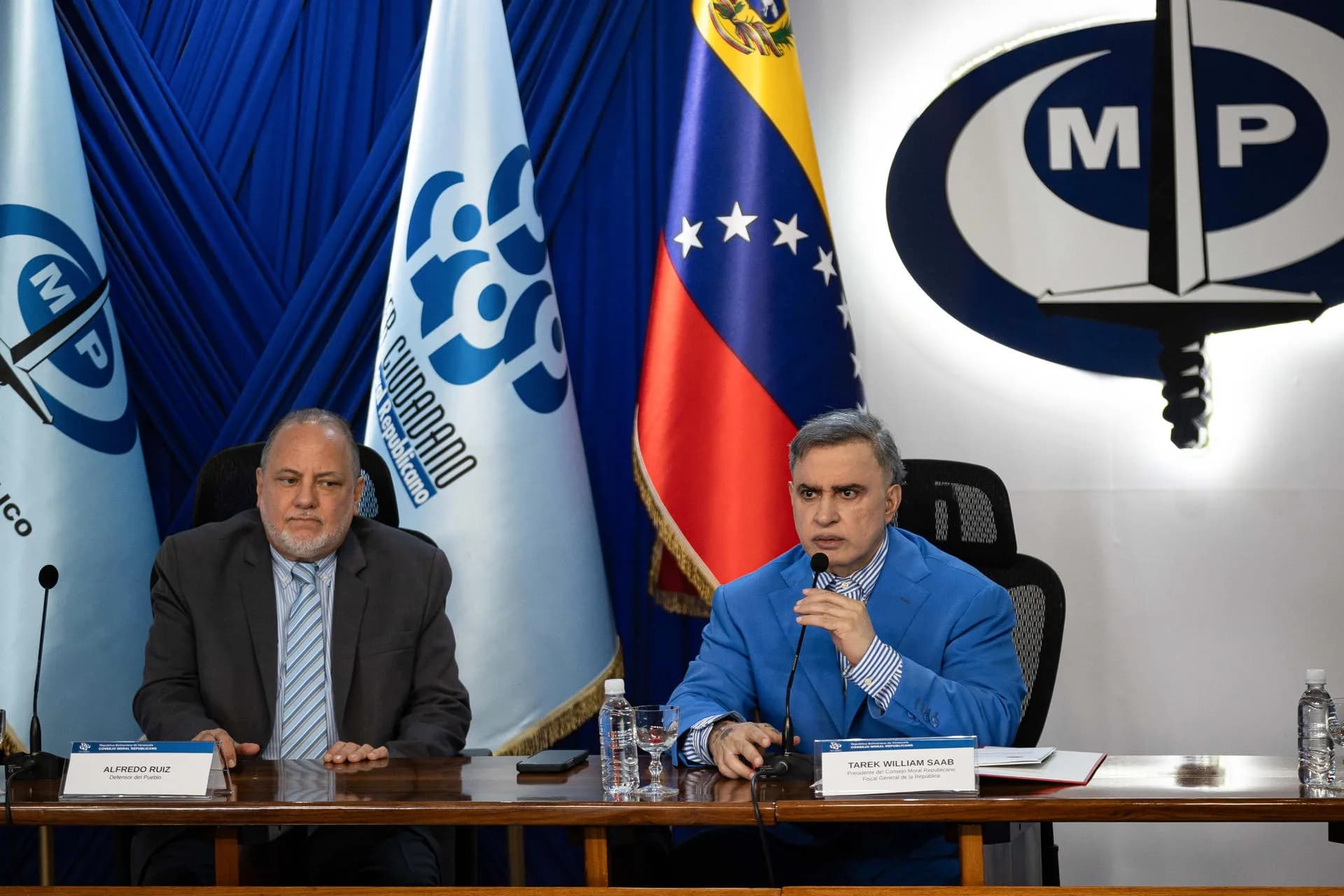
The political apparatus in Caracas is notoriously opaque, making the sudden restructuring of its highest legal offices a subject of intense global analysis. During a rapidly convened regular session on Wednesday, the Venezuelan National Assembly, which is tightly controlled by the ruling political faction, formally accepted the unexpected resignations of two highly influential figures: Attorney General Tarek William Saab and Ombudsman Alfredo Ruiz. Both men have been instrumental players within the state architecture, previously executing policies that have drawn significant attention from international human rights organizations and foreign diplomatic missions.
The swiftness with with the legislature moved to fill these critical vacancies suggests a highly coordinated internal reorganization rather than a spontaneous political crisis. National Assembly President Jorge Rodriguez presided over the session, carefully managing the public narrative surrounding the departures. He formally read the official resignation letters submitted by both exiting officials into the legislative record. During his address, Rodriguez took deliberate care to publicly express profound gratitude to both Saab and Ruiz, officially commending them for steadfastly fulfilling their demanding duties "during highly complex times and with strict adherence to the Constitution."
With the positions officially vacated, the lawmakers wasted no time in executing the next phase of the institutional reshuffle. They decisively voted to designate Larry Devoe as the nation's new acting Attorney General. Devoe is a seasoned lawyer deeply embedded within the state's administrative apparatus, having most recently served as the powerful executive secretary of the National Human Rights Council. His elevation to the role of chief prosecutor places him at the very center of Venezuela's domestic legal strategy and international legal defense mechanisms.
In a fascinating twist of bureaucratic musical chairs, the Assembly did not completely remove the former Attorney General from the corridors of power. Instead, they immediately approved the controversial appointment of the outgoing Tarek William Saab to the position of acting Ombudsman. This strategic reassignment ensures that trusted loyalists continue to occupy all the critical nodes of the justice and human rights oversight systems, effectively consolidating the ruling administration's firm grip on the judiciary.
According to the official justifications provided by National Assembly President Jorge Rodriguez, these rapid appointments are specifically intended to ensure that state institutions continue to actively participate in all national processes and to enable the government to "make corrections where necessary." However, for critical observers and international analysts, this rotation of personnel highlights profound concerns regarding the fundamental lack of independent oversight within the Venezuelan state architecture.
The implications of this institutional maneuvering extend far beyond the borders of South America. For developing democracies across East Africa, the Venezuelan scenario serves as a potent reminder of the paramount importance of robust, independent institutions. When the boundary between the executive agenda and judicial oversight becomes entirely blurred, the fundamental pillars of democratic accountability inevitably collapse, leading to profound systemic instability. The international community will undoubtedly continue to monitor the actions of the newly appointed acting officials with a high degree of skepticism and concern.
Keep the conversation in one place—threads here stay linked to the story and in the forums.
Sign in to start a discussion
Start a conversation about this story and keep it linked here.
Other hot threads
E-sports and Gaming Community in Kenya
Active 9 months ago
The Role of Technology in Modern Agriculture (AgriTech)
Active 9 months ago
Popular Recreational Activities Across Counties
Active 9 months ago
Investing in Youth Sports Development Programs
Active 9 months ago