We're loading the full news article for you. This includes the article content, images, author information, and related articles.
US president calls on Iranian people to take over your government, as explosions heard across central Tehran amid joint military operations.

Israel and the United States have officially initiated major combat operations against the Islamic Republic of Iran, a seismic geopolitical event already sending shockwaves across global energy markets and triggering emergency security protocols in East Africa.
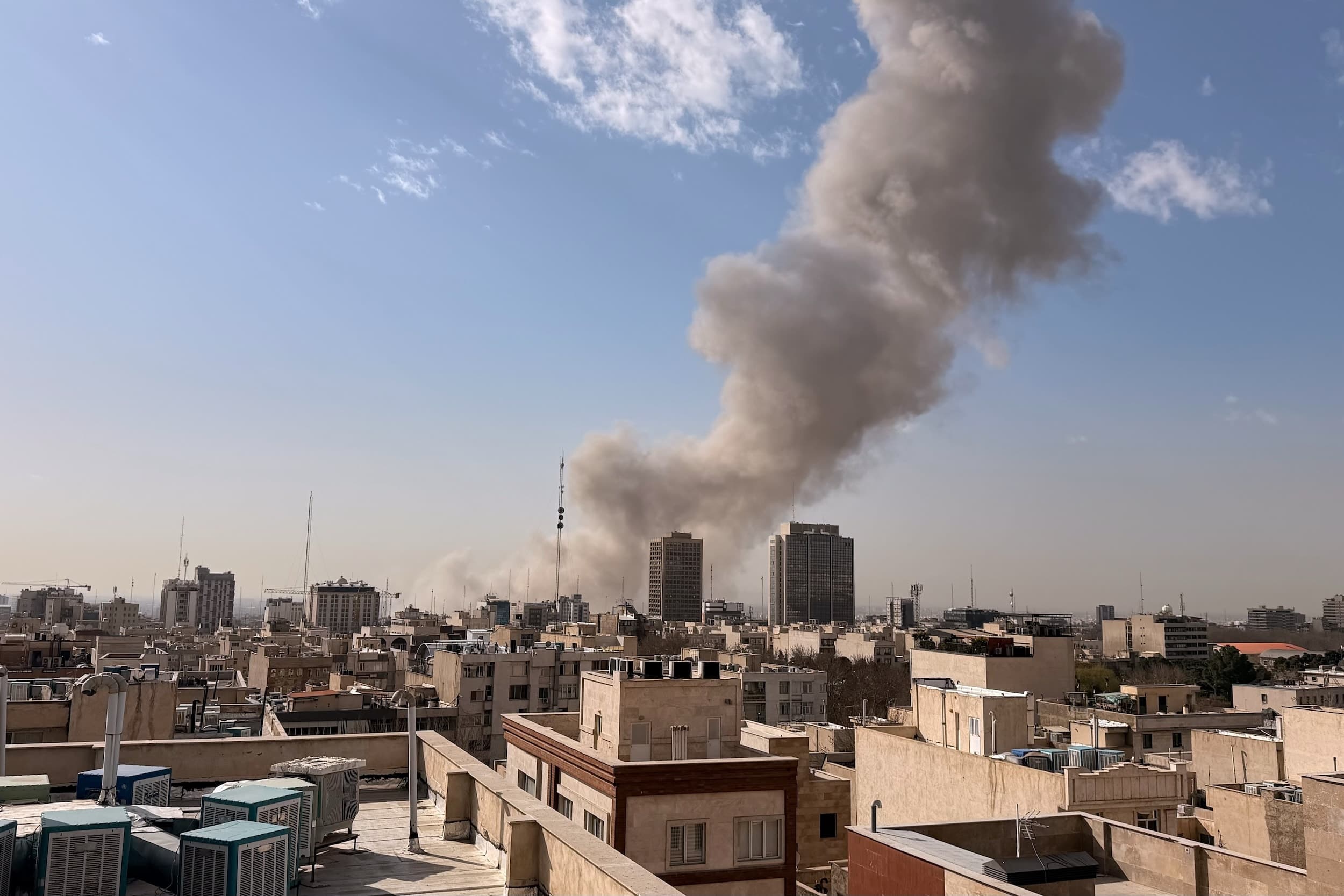
The streets of central Tehran shook violently in the early hours of Saturday as sustained explosions targeted high-level infrastructure, dropping residents directly into the crosshairs of a newly escalated conflict.
This unprecedented military maneuver fundamentally alters the balance of power in the Middle East. With global oil prices inevitably expected to surge, the cascading economic impact will be felt immediately at fuel pumps in Nairobi, Mombasa, and across the entire East African bloc, straining an already delicate regional economic recovery.
Explosions rocked northern Israel and central Tehran simultaneously as both nations traded heavy fire. One apparent strike in Tehran hit dangerously close to the offices of the supreme leader, Ayatollah Ali Khamenei, signaling a strategic shift towards decapitation strikes and regime destabilization. The Iranian government, reeling from the sudden aerial bombardment, has promised a crushing retaliation, though the immediate scope of their counter-offensive remains shrouded in the fog of war.
United States President Donald Trump confirmed the joint offensive, framing it as a necessary pre-emptive measure against looming Iranian threats. Following the initial barrage, Trump released a controversial video address on his Truth Social platform, explicitly calling on the Iranian populace to rise up and seize control of their government. By offering the Iranian military the stark choice between immunity upon surrender or certain death, the administration has completely abandoned diplomatic caution.
The airspace over both Israel and Iran was immediately shuttered to civilian flights. Echoes of the conflict even reached Bahrain, the strategic headquarters of the United States fleet in the Middle East, illustrating the vast geographical footprint of the unfolding war.
For Kenya and the broader East African community, the consequences of a full-scale Middle Eastern war extend far beyond geopolitical posturing. The region relies heavily on petroleum imports routed through the Strait of Hormuz. Any disruption to this critical maritime choke point threatens to catapult crude oil prices to historic highs.
The Kenyan shilling, currently navigating a fragile stability, will face immense pressure if fuel import bills skyrocket. Analysts predict that a sustained conflict could force the Energy and Petroleum Regulatory Authority (EPRA) to drastically adjust pump prices, a move that would immediately inflate the cost of basic commodities, transportation, and electricity production.
Local economists are already advising the Kenyan treasury to activate strategic petroleum reserves and seek alternative, short-term supply agreements to buffer the domestic market against the impending shock.
The diplomatic fallout has been swift and unforgiving. The United States had been steadily building a massive military presence in the region over recent weeks, deploying two formidable aircraft carrier strike groups in clear preparation for this eventuality. The collapse of the latest nuclear negotiations seemingly provided the final catalyst for military action.
Israel, coordinating tightly with the Pentagon, launched a parallel psychological warfare campaign. Utilizing Persian-language Telegram channels, Israeli military officials addressed the Iranian populace directly, urging them to document anti-regime protests and promising a return to Iran's glorious days. This dual-pronged approach—combining devastating kinetic strikes with aggressive information warfare—highlights the modern complexity of regime change operations.
As the international community scrambles to issue statements and convene emergency security councils, the reality on the ground continues to deteriorate. The sudden escalation leaves allied nations, including Kenya, walking a diplomatic tightrope, balancing necessary economic relations in the Middle East with long-standing security partnerships with the United States.
"The world is standing on the precipice of a conflict whose boundaries are entirely unknown; the next forty-eight hours will dictate the economic and security trajectory of the entire decade," warned an international security analyst.
Keep the conversation in one place—threads here stay linked to the story and in the forums.
Sign in to start a discussion
Start a conversation about this story and keep it linked here.
Other hot threads
E-sports and Gaming Community in Kenya
Active 9 months ago
The Role of Technology in Modern Agriculture (AgriTech)
Active 9 months ago
Popular Recreational Activities Across Counties
Active 9 months ago
Investing in Youth Sports Development Programs
Active 9 months ago